Play a Star Wars Tabletop RPG with LEGO Minifigures
New here? SWURPG (Star Wars Universe Roleplaying Game) is a free, fan-made tabletop RPG that blends d20-era Saga depth with 5e's table-friendly action economy. Era-agnostic — every rule works from the Old Republic through the New Republic and beyond. This guide shows how to run it with LEGO minifigs, baseplates, and bricks you already own.
Most tabletop RPGs ask you to buy miniatures. If you own Star Wars LEGO, you already have them. A shelf of minifigs is a cast of characters, a bin of bricks is every cliff, bunker and starship corridor you'll ever need, and a baseplate is your battle grid. No custom minis, no terrain kit, no crafting workshop.
That turns out to matter more than it sounds. Blaster fire between crates, a Force push that sends a trooper off a walkway, a speeder tearing down an alley — when the table shows it, players stop asking "wait, where am I?" and start making real tactical decisions. Cover, elevation, and line of sight become obvious instead of abstract.
It's also the easiest way to get kids to the table. A seven-year-old who can't yet track a character sheet can absolutely tell you their minifig is going to climb the rock and jump on the stormtrooper — and in SWURPG, that's a legitimate Athletics check followed by an attack roll. The bricks do the explaining.
The rest of this page covers the practical parts: how minifigs map to characters, the stud scale that keeps movement honest, matching LEGO weapons to SWURPG stat blocks, and two full encounters you can rebuild tonight.
How LEGO Enhances SWURPG
- Instant visualization: Players see exactly where everyone stands, who's in cover, who's flanking, and what the environment looks like.
- Better tactical clarity: Obstacles, line of sight, elevation, and movement become obvious at a glance.
- Cinematic storytelling: Scenes feel alive — blasters firing between crates, Force pushes sending enemies off walkways, speeders swooshing through alleyways.
- Creative flexibility: Need to change the battlefield? Just move or rebuild a few bricks.
- Family-friendly accessibility: Kids, new players, and veteran GMs all "get it" instantly. It's intuitive and fun.
LEGO Scale & Setup Guide
This section explains the practical side of using LEGO for SWURPG — how big things should be, how minifigs map to characters, and how to design environments that feel like Star Wars.
Minifigs as Characters
LEGO minifigures work perfectly as SWURPG character stand-ins. Each minifig represents one character or creature. You can modify them with custom parts, different heads, armor, weapons, or even simple markings to differentiate roles.
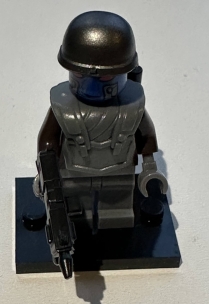
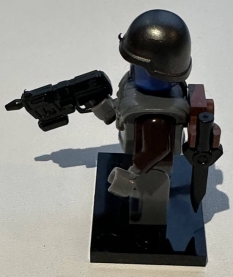
Duros Commando: Equipped with a tactical combat vest and helmet, this Duros Commando is armed with a commando special rifle and a vibro-knife for close-quarters work.
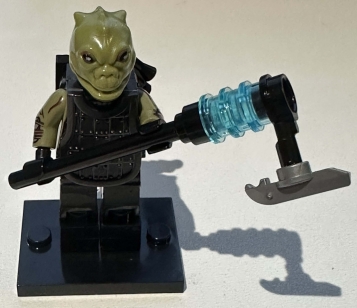
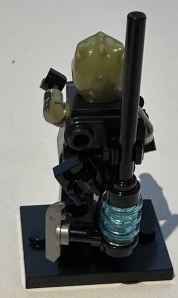
Trandoshan Vanguard: A frontline bruiser carrying a heavy vibro-axe and a blaster pistol. Built for close-quarters dominance and raw physical power.
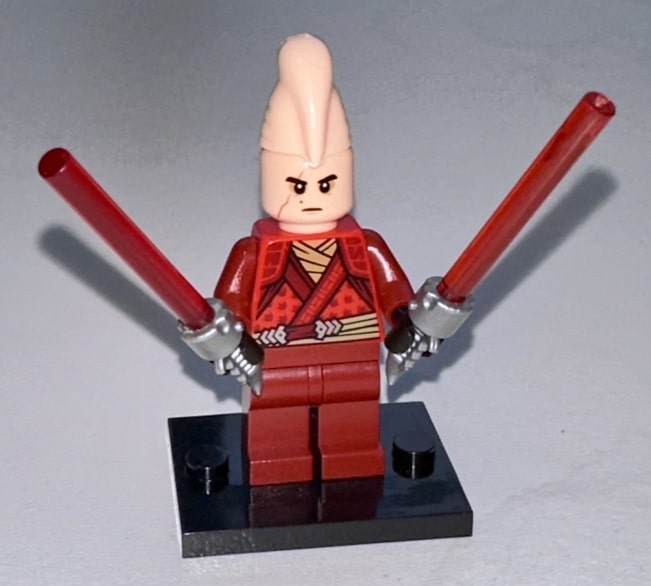
A fallen Cerean Jedi: A dark-side Cerean warrior wielding twin lightsabers, perfect for representing aggressive melee combatants whose path has taken them off the standard Jedi tradition tracks (see Falling to the dark side).
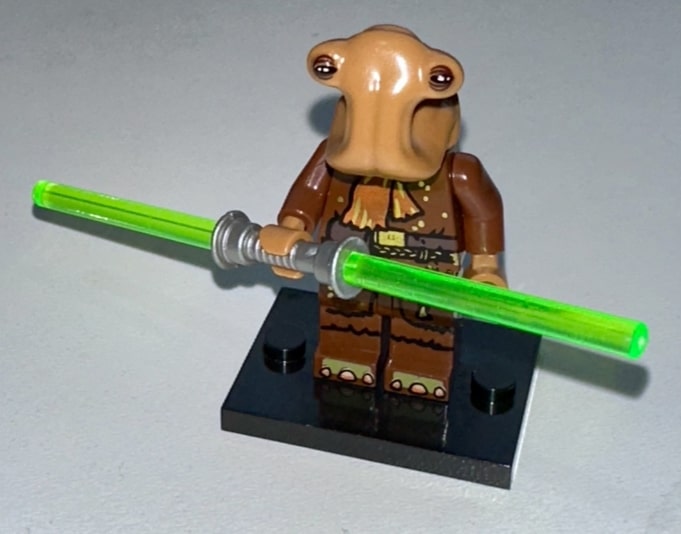
Ithorian Jedi Guardian: A calm but imposing Ithorian Jedi carrying a double-bladed lightsaber, ideal for representing wise protectors, jedi guardians, or pathfinders on the front line.
Scale & Distance
To keep SWURPG movement simple and consistent when using LEGO, each game "square" (5 feet of distance) maps to a 3×3 stud area on a LEGO baseplate. This gives characters enough room to stand, move, and interact without overcrowding.
- 1 game square (5 ft) = 3×3 studs
- Movement is counted by "jumping" from one 3×3 square to the next
- Stud groupings naturally form a grid — no drawing required
- This scale works smoothly with minifigs, vehicles, and terrain builds

Vehicles
LEGO vehicles are ideal for chases, mounted combat, speeder fights, or dramatic escapes. They line up easily with movement rules — simply move the speeder or starfighter the required number of studs along your plate or table.
Terrain & Multi-Level Builds
Want a firefight on a second-floor balcony? A canyon? A starship control room? LEGO shines here. Multi-level builds make verticality intuitive, and characters can climb, jump, and move along platforms you physically create.
Environmental Interaction
Doors, consoles, crates, energy barriers, pipes, cover objects — LEGO pieces give you instant tactile props for environmental actions. If a player wants to interact with something, they can simply point to it.
LEGO Weapon Loadouts
One of the most satisfying parts of LEGO play is matching a character's gear to their SWURPG stat block. Below are reference builds for the most common weapon categories — use these as a starting point for assembling your party's loadouts, then improvise with whatever bricks you have on hand.
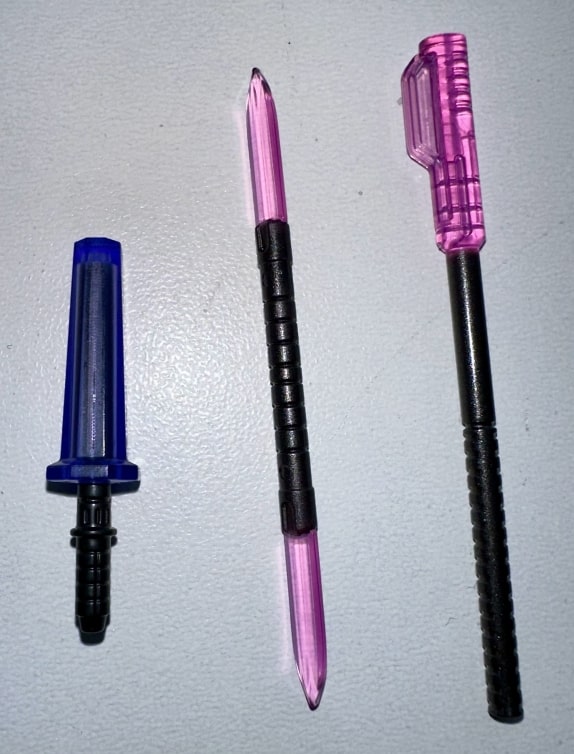
Lightsaber Variants
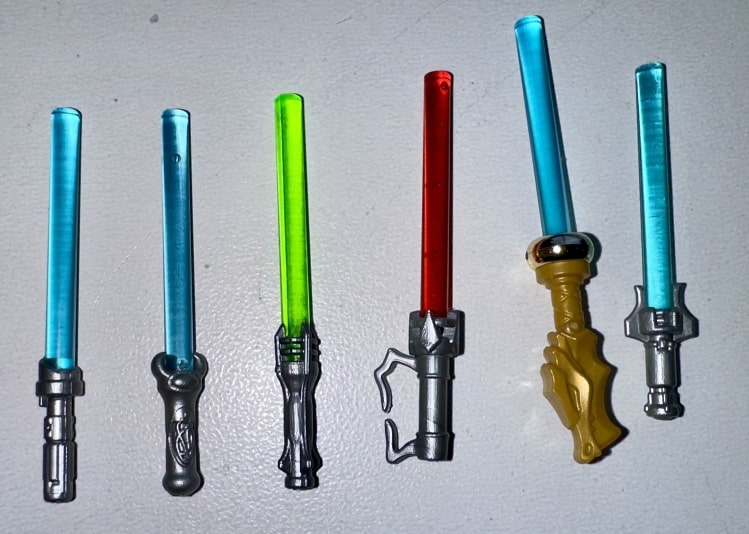
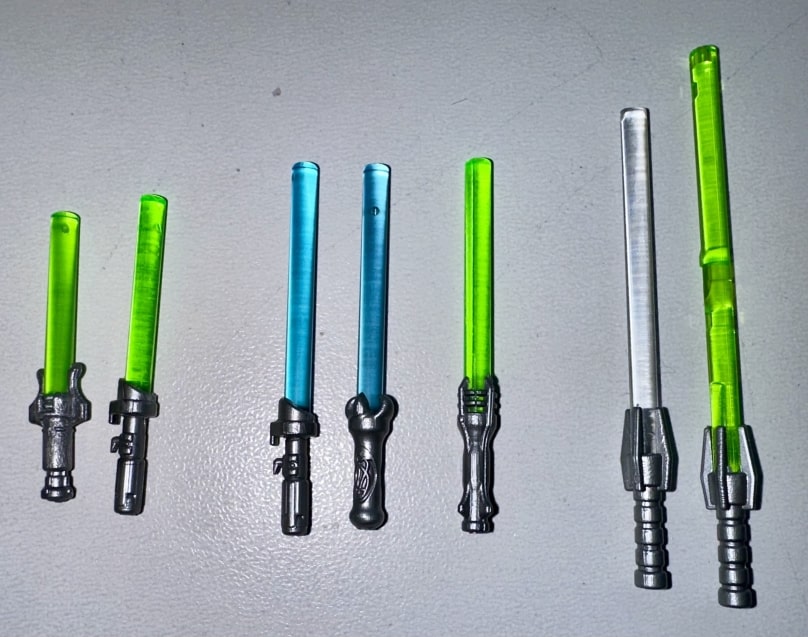
Lightsabers come in many flavors in SWURPG — single-blade, short, double-bladed, cross-guard, and ceremonial great-sabers. Your minifig's lightsaber should match the form your character actually wields.
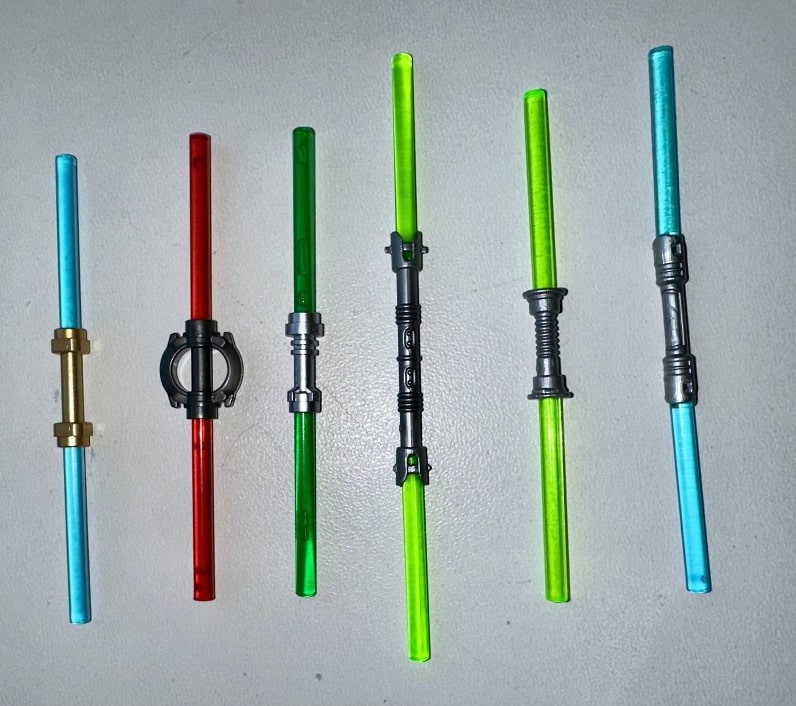
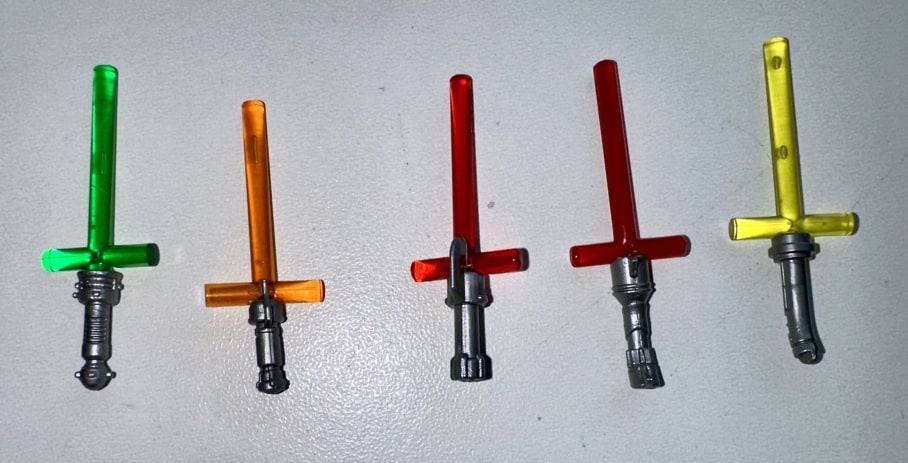
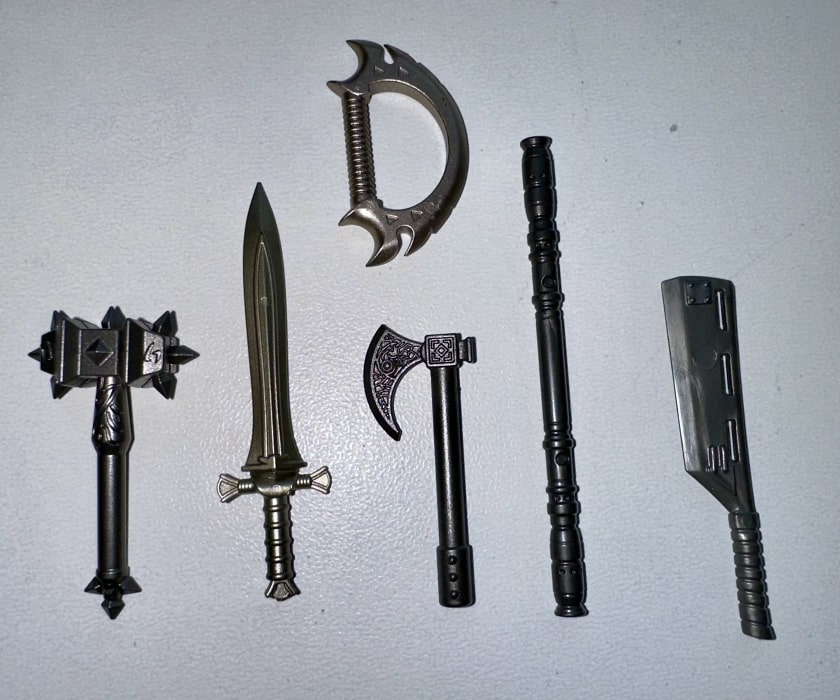
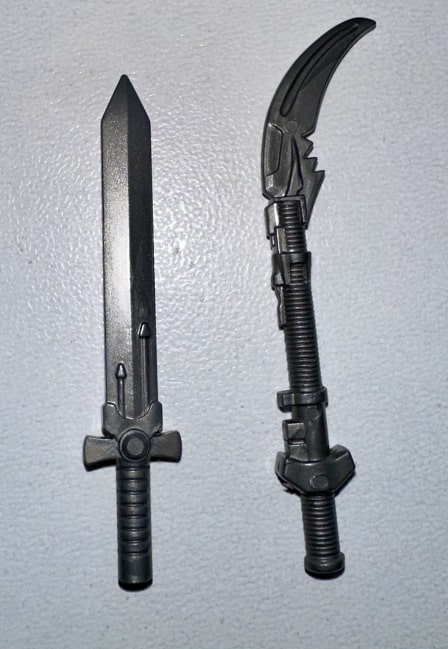
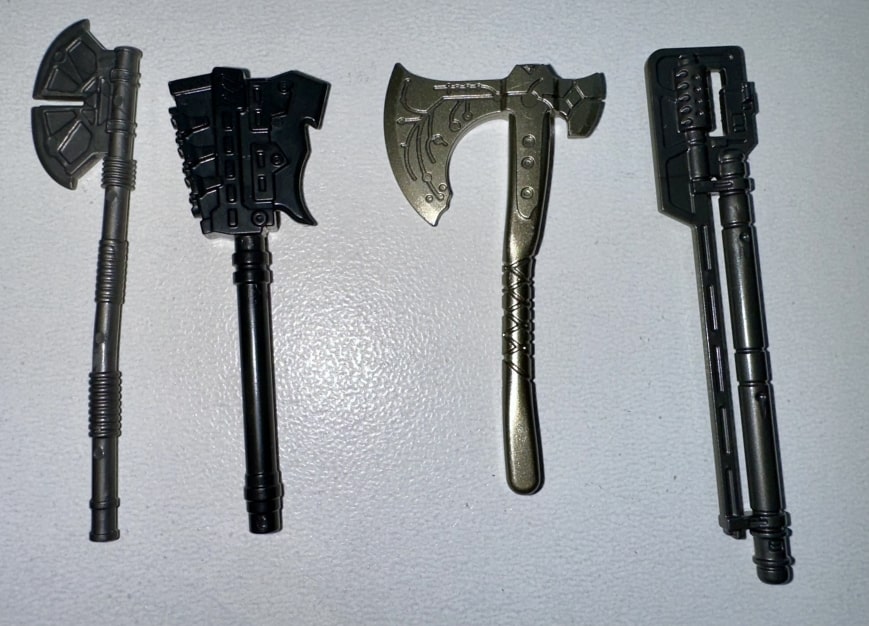
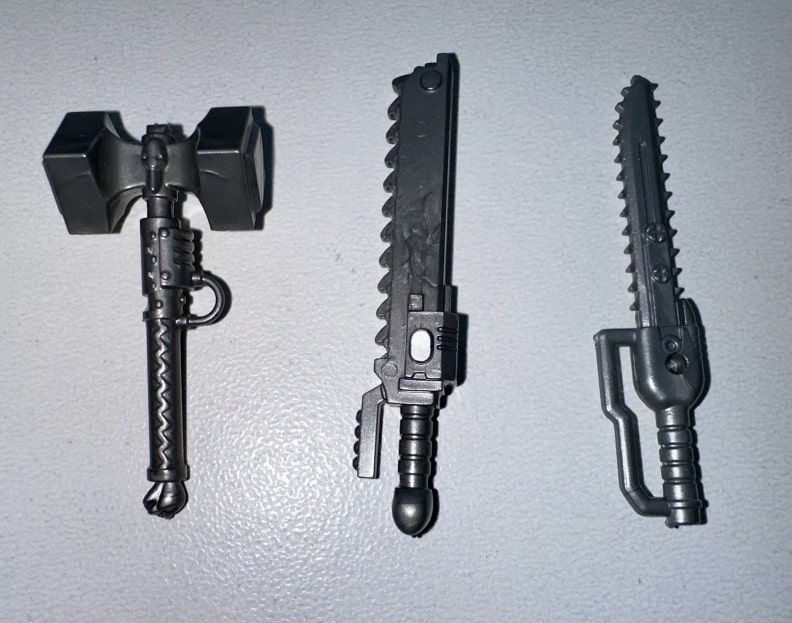
Melee Weapons
Vibroweapons, electrostaffs, and primitive arms cover everything from a desperate scavenger's club to a MagnaGuard's electrostaff.
Ranged Weapons
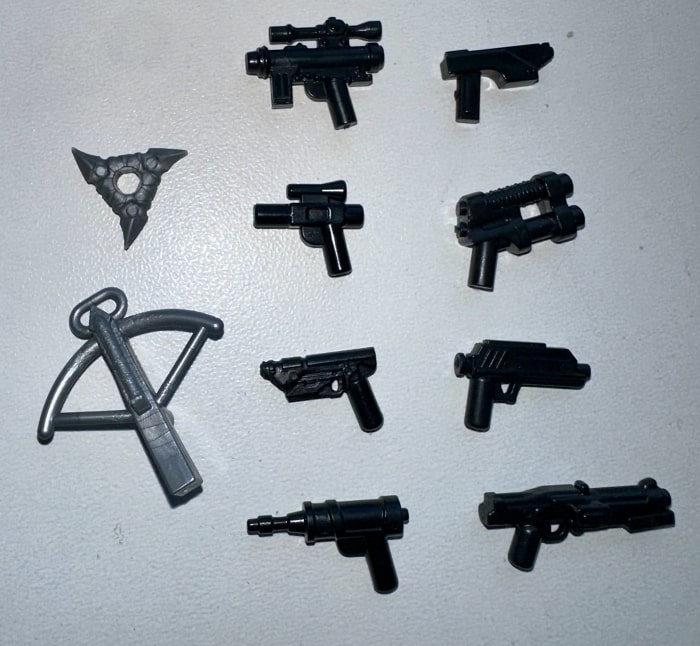
Blasters dominate Star Wars combat, but they aren't all the same. SWURPG distinguishes between simple blasters, rifles, repeating blasters, and sniper rifles — and so should your minifigs.
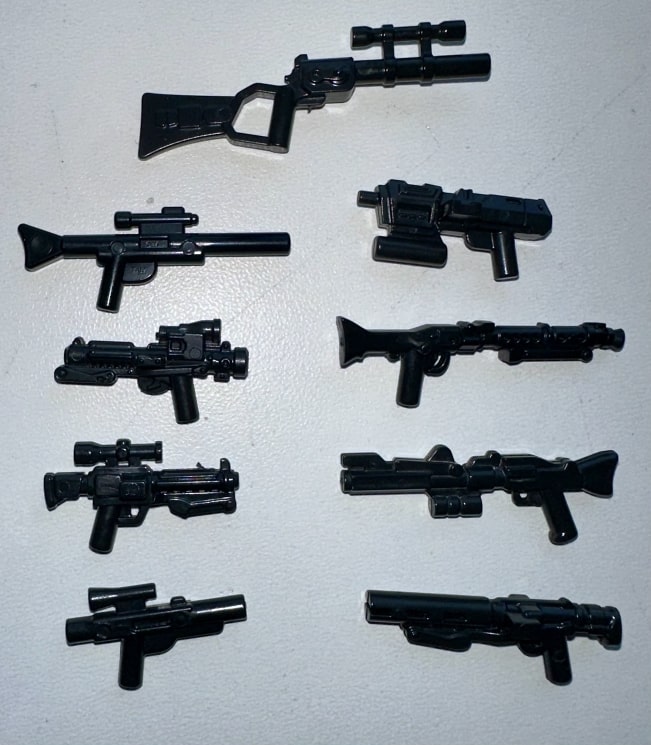
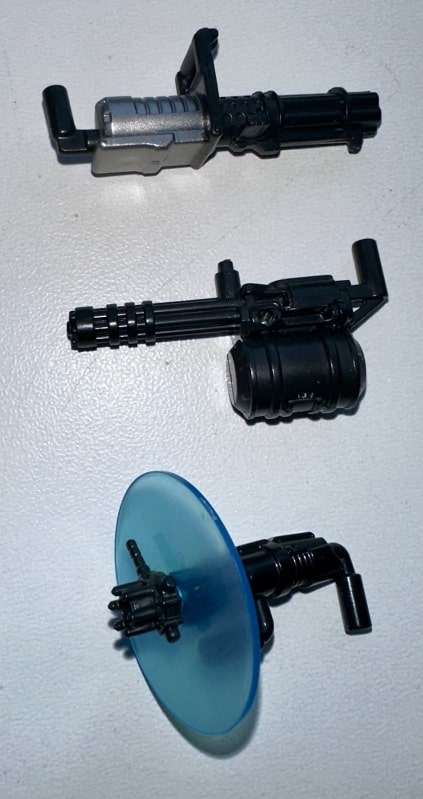
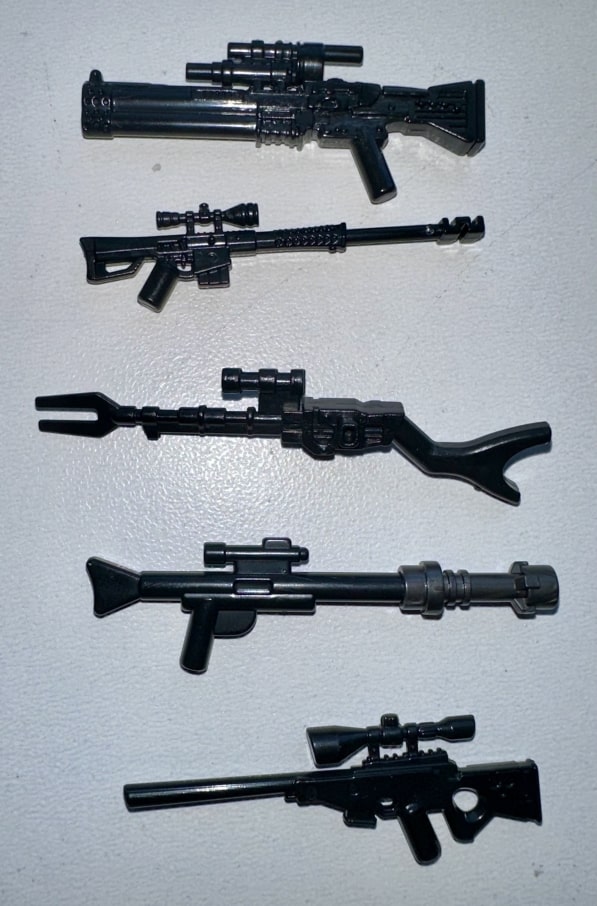
Example Encounter Setups
Once you have a few baseplates and terrain pieces built, you can start turning simple layouts into memorable encounters. Below are two examples that show how LEGO terrain naturally supports SWURPG skill checks, ambushes, and dynamic movement.
Cliffside Approach & Hazardous Terrain
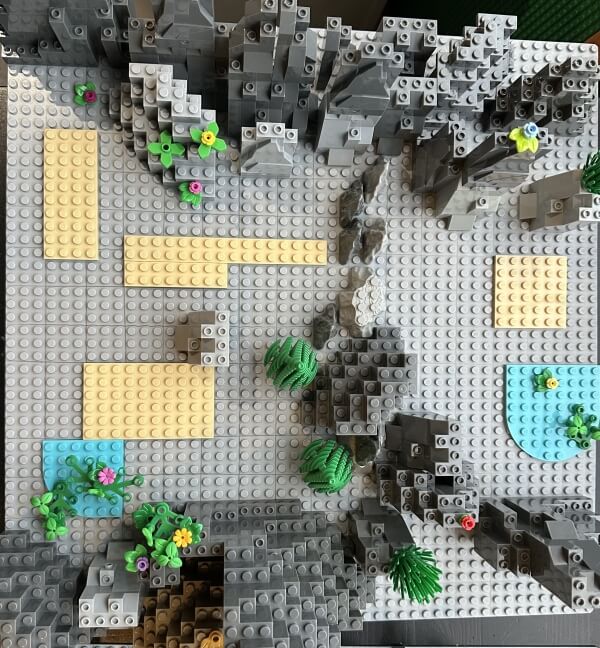
This cliff area build demonstrates how vertical terrain creates tension and interesting choices. Characters may climb unstable rock formations, look for safer paths, or scout ahead for danger. This setup naturally encourages:
- Survival — finding safe footing, identifying threats in the terrain.
- Athletics — climbing uneven slopes and cliffs, helping allies ascend, and swimming.
- Acrobatics — jumping gaps, balancing along narrow edges.
- Perception — spotting hidden routes, enemies, or movement above.
- Knowledge: Galactic Lore — identifying certain animal or plant species.
- Dexterity Saving Throws — dodging falling rocks or wild plants projecting poisonous spores.
- Constitution Saving Throws — resisting venomous animals and plants or toxic fumes.
A rocky cliff with vegetation creates natural choke points, difficult terrain, and plenty of opportunities for Survival, Athletics, Acrobatics, and Perception checks.
Imperial Ambush in Rough Terrain
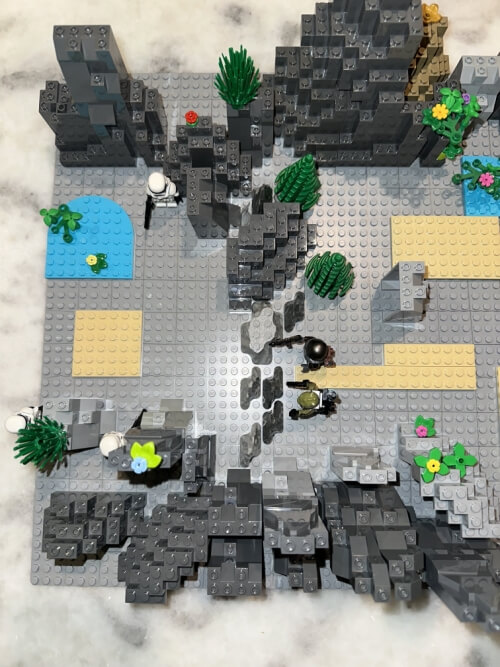
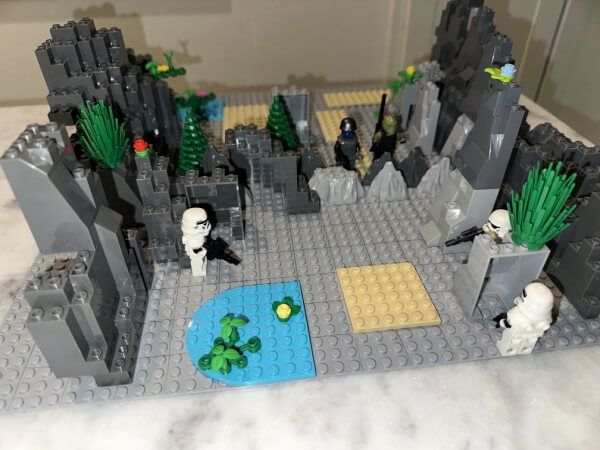
In this example, the party climbs over rocky terrain — a perfect moment for Athletics or Acrobatics checks. As they descend the far side, hidden Imperial troops spring an ambush from prepared firing positions.
Use this to highlight the importance of Perception (spotting danger early), positioning, and the value of elevation and cover when combat begins. The group climbs over uneven rocks, focused on footing and balance — making this an ideal moment for skill checks and subtle foreshadowing. On the far side, Imperial forces spring their trap. Use this layout to demonstrate cover, line of sight, and how positioning affects the ambushers' opening volley.
Try SWURPG with Your LEGO Collection
Ready to actually run a session? Here's the fastest path from "this looks cool" to "we're rolling dice."
Players — get a character in 5 minutes
- Build your own character — pick a species, class, abilities, and gear. The browser builder handles every derived stat (HP, AC, attack bonuses, Force powers) and exports to a printable PDF.
- Grab a pre-made character — six ready-to-play Level 1 builds, one per starter class. Pick a PDF, print it, you're playing.
- Read the core rules — character creation, combat, the Force, droids, leveling. Each page stands alone. The full system reads in under an hour.
GMs — drop into a session this week
- The Signal from Tellan-7 — a 5-session beginner adventure for Lv 1-2 parties. Era-agnostic. Built around encounters that map cleanly to LEGO terrain (cliff descents, pirate ambushes, a relay-puzzle finale).
- Monster bestiary — 133 stat blocks across thirteen factions: Imperial Forces, the Galactic Republic clone army, the Mandalorian Death Watch, Black Sun, the Pyke Syndicate, the Hutt Cartel, the Droid Gotra, the Underworld, Battle Droids, Nihil Forces, the Nightsisters of Dathomir, the Geonosian hives, and Creatures & Wildlife. Stocking the Imperial ambush above? Start with Stormtroopers and an Inquisitor for the boss.
- Adventures hub — full ready-to-run modules with player landings and downloadable GM PDFs.
Talk to the community
- Discord — rules questions, build feedback, character showcases, campaign stories. Drop in any time.
- How SWURPG compares to D&D 5e, Saga Edition, and FFG Star Wars if you're evaluating the system.