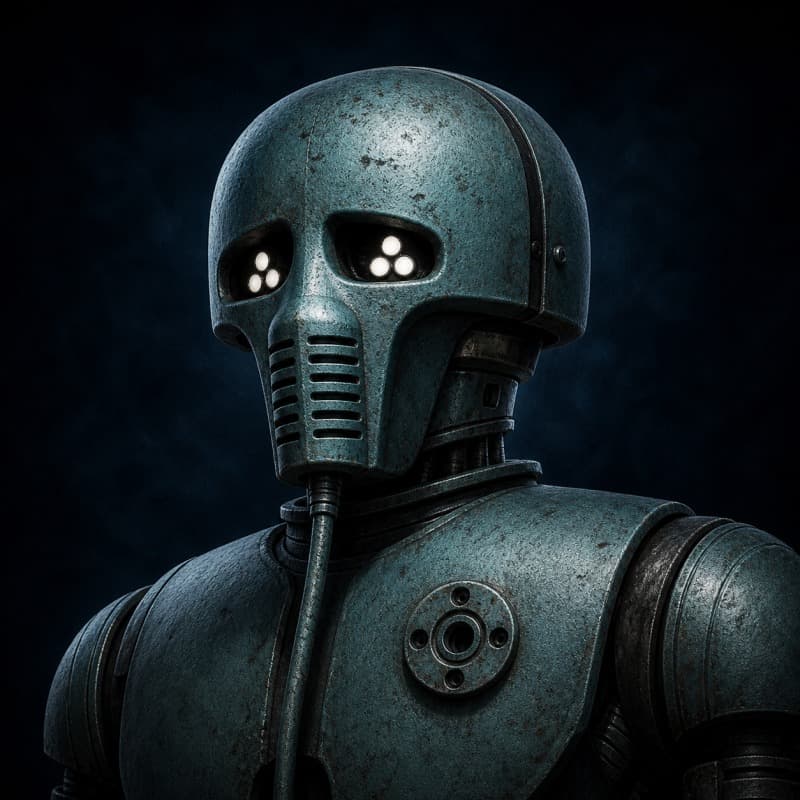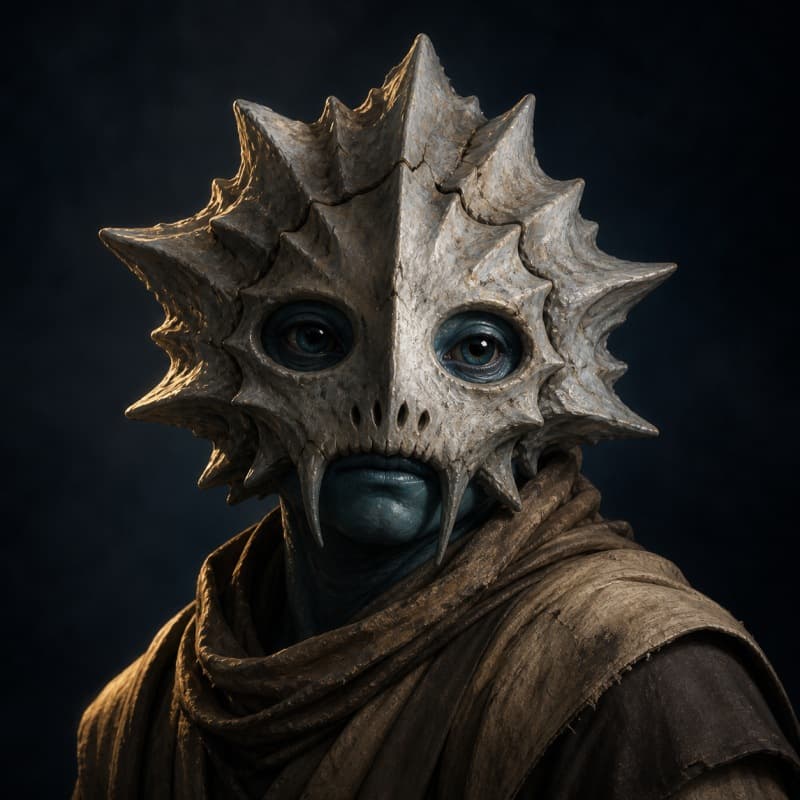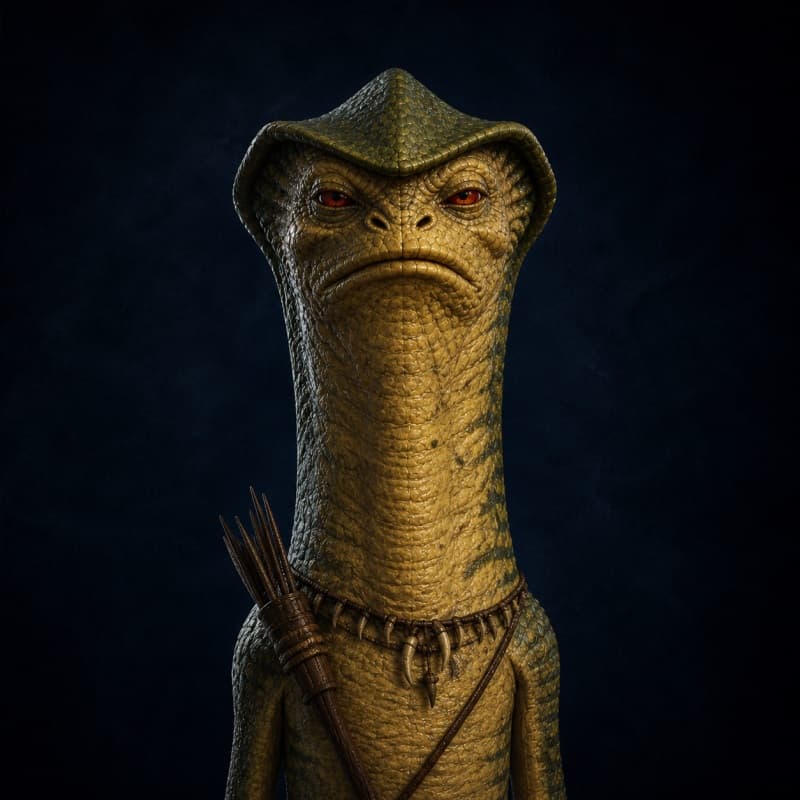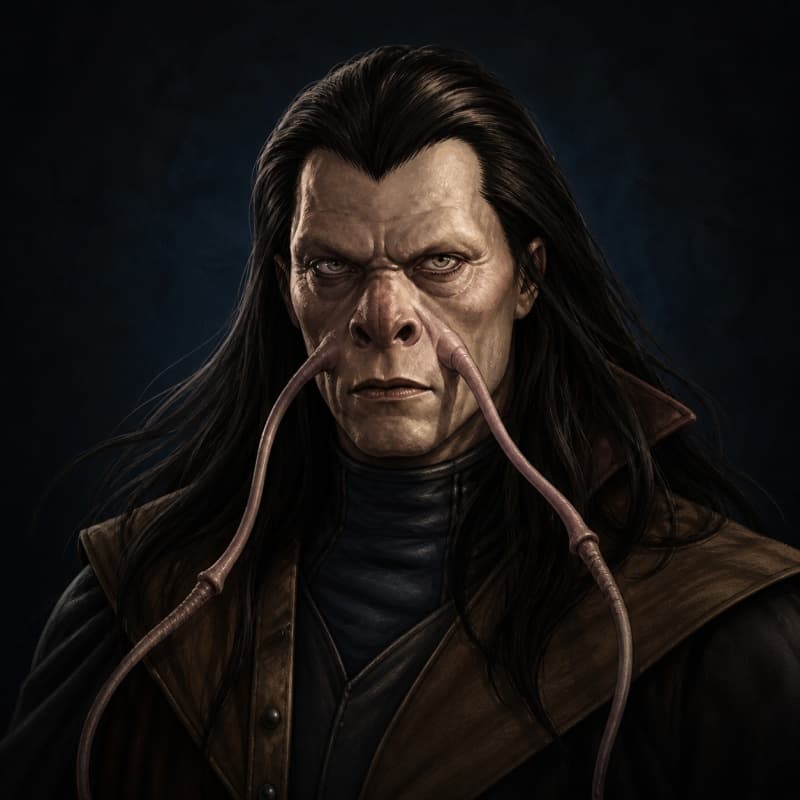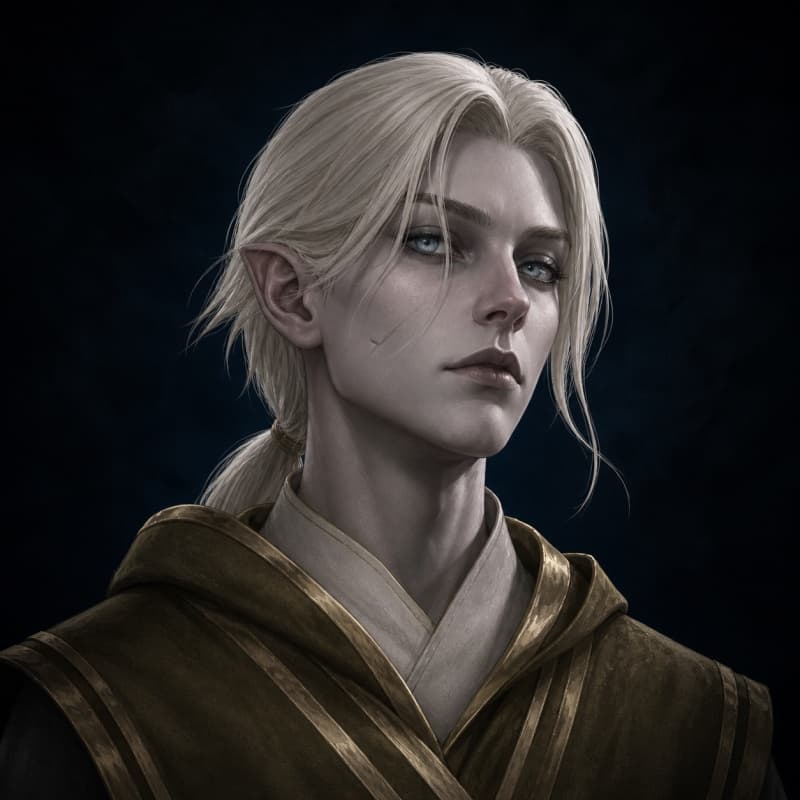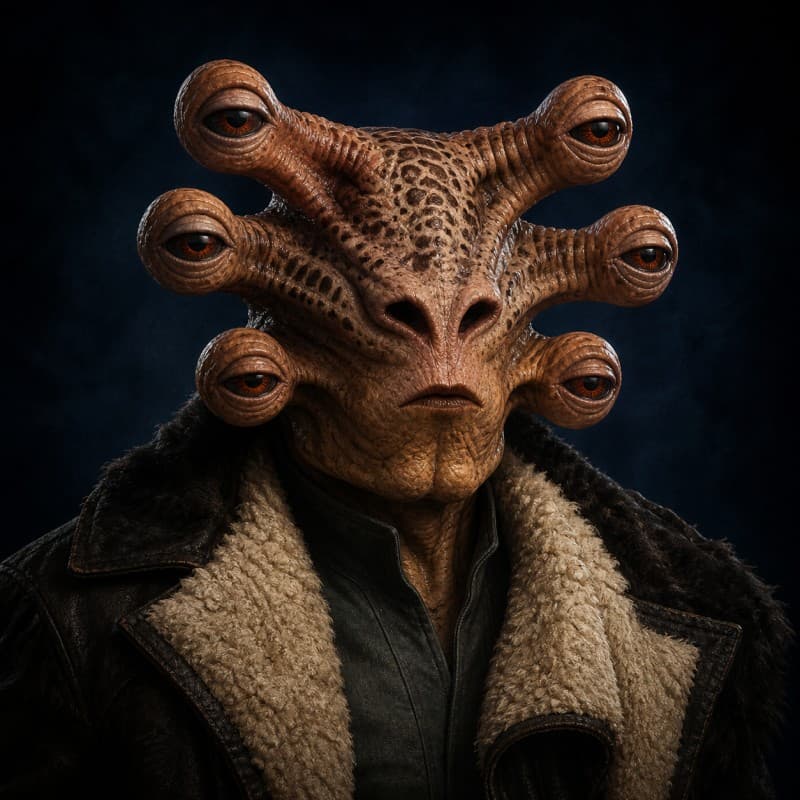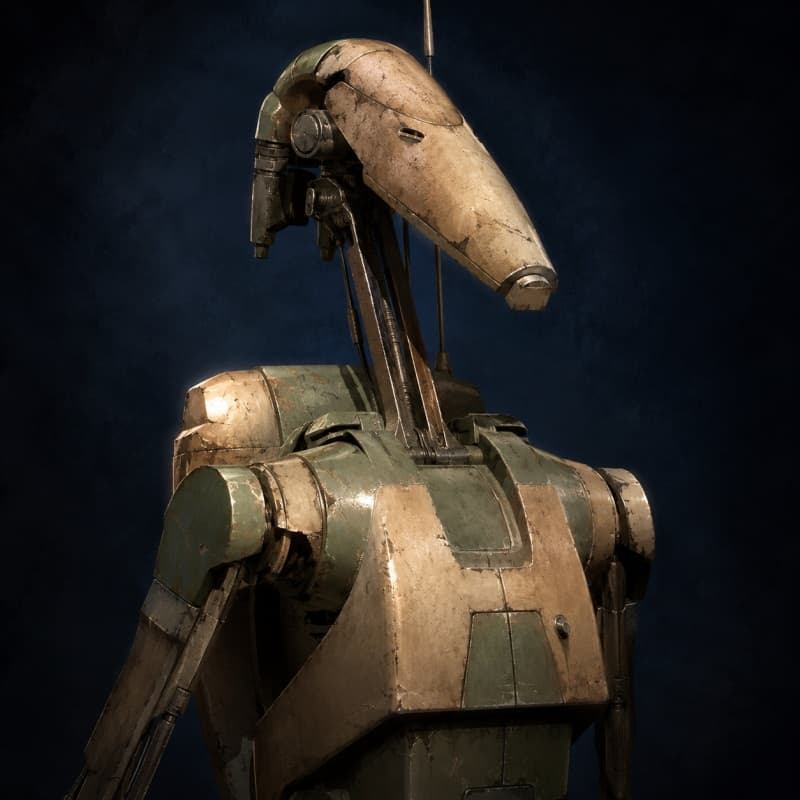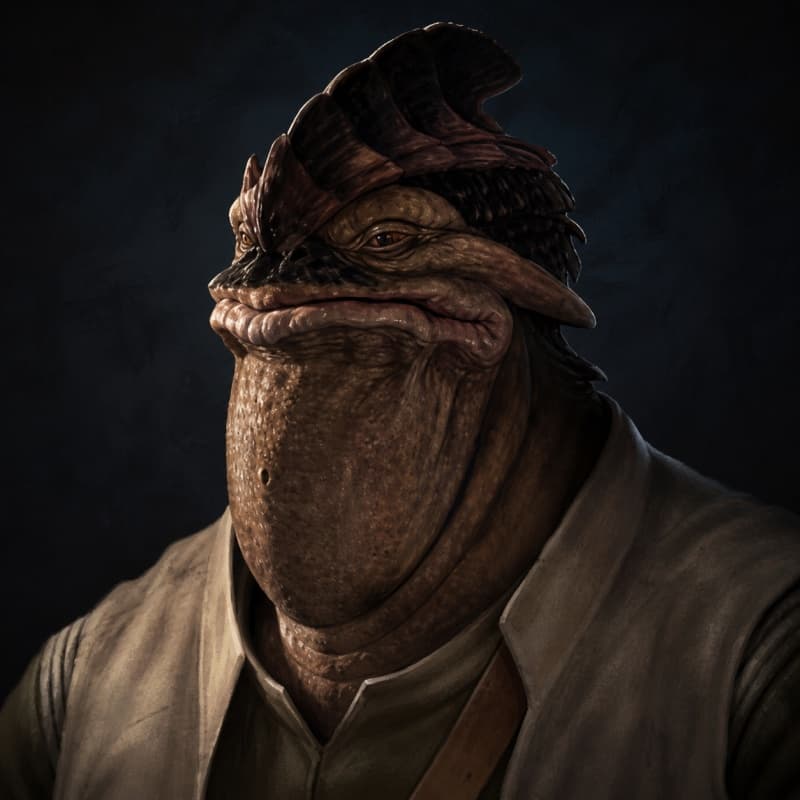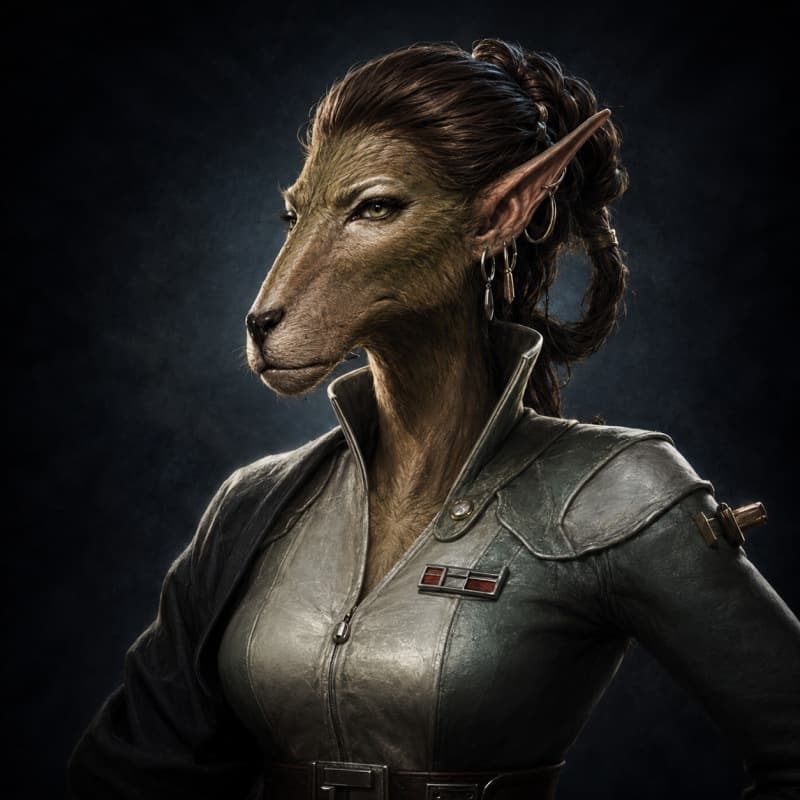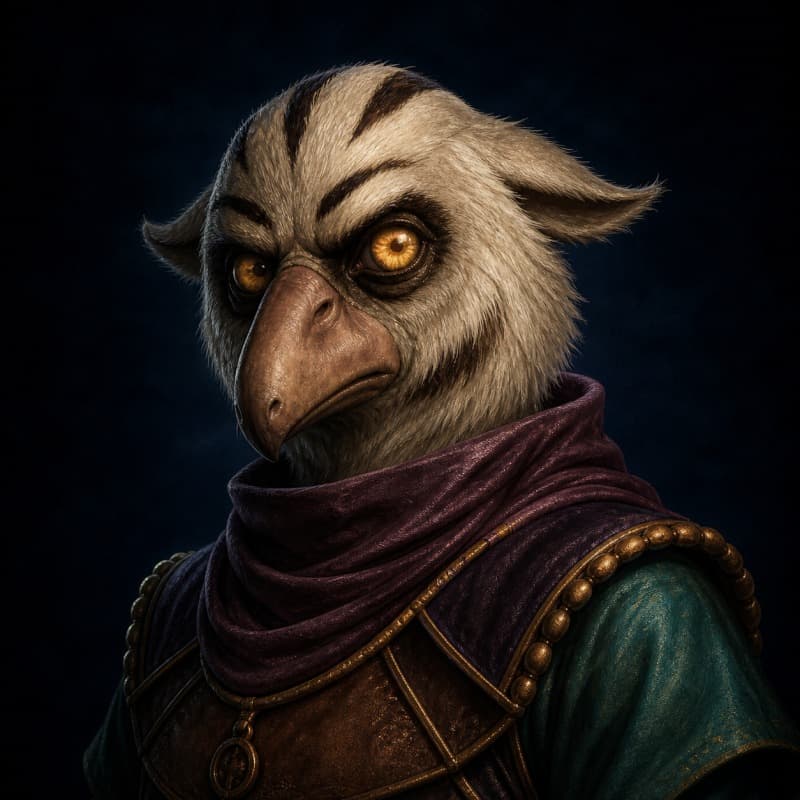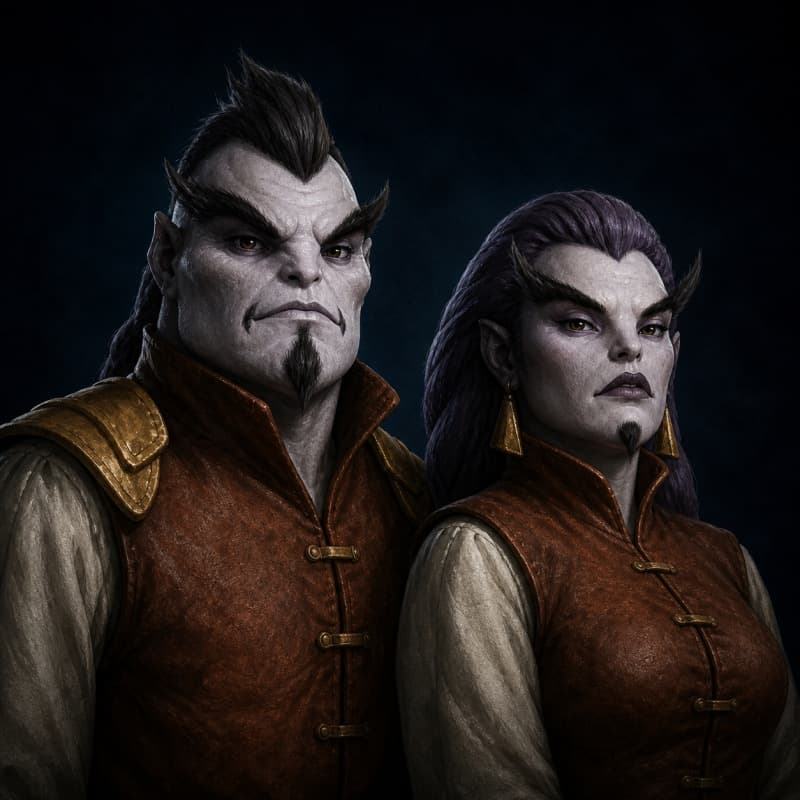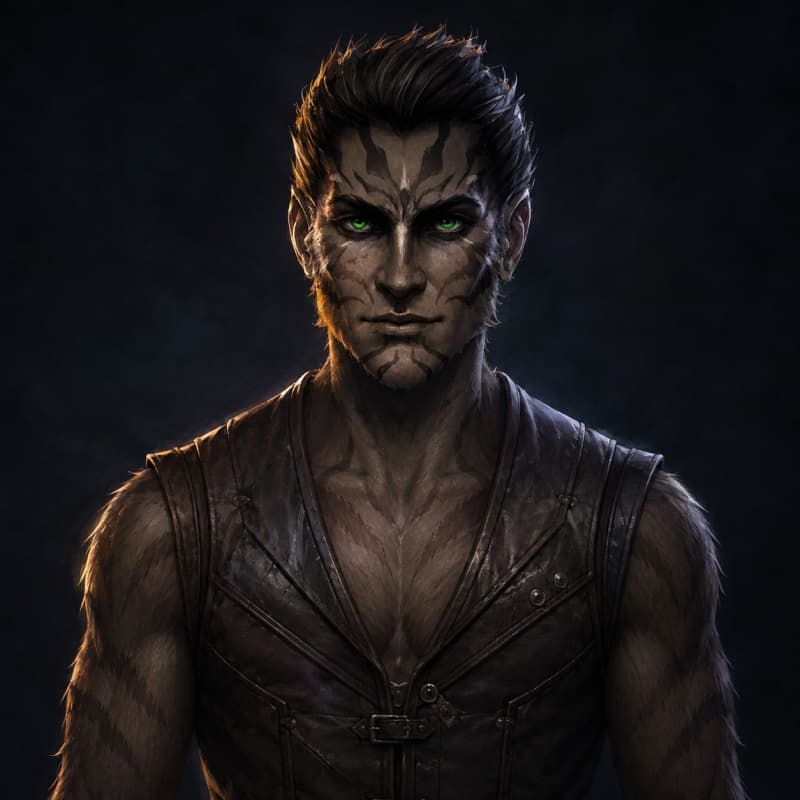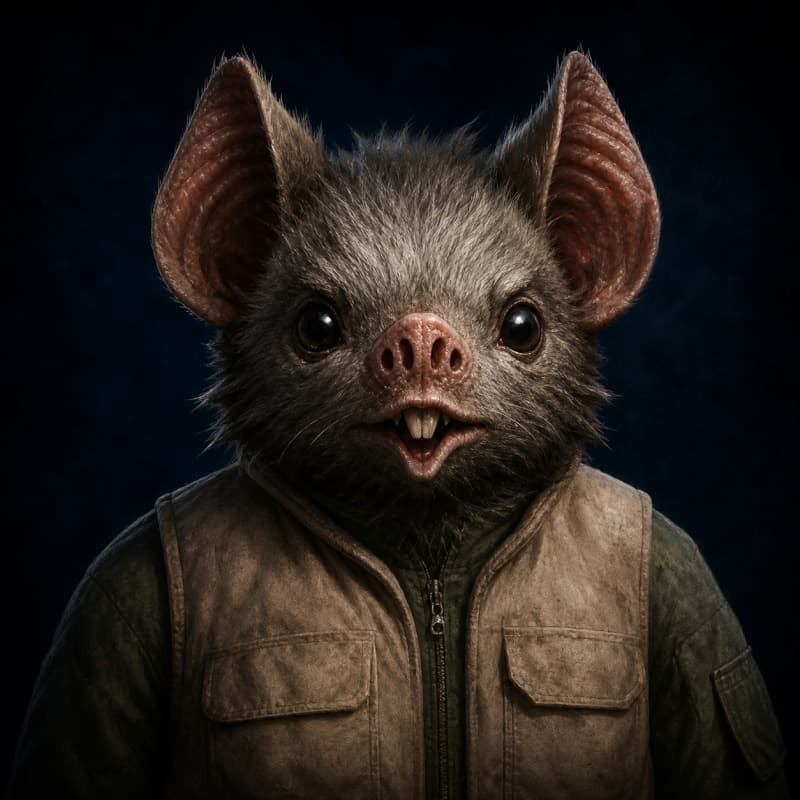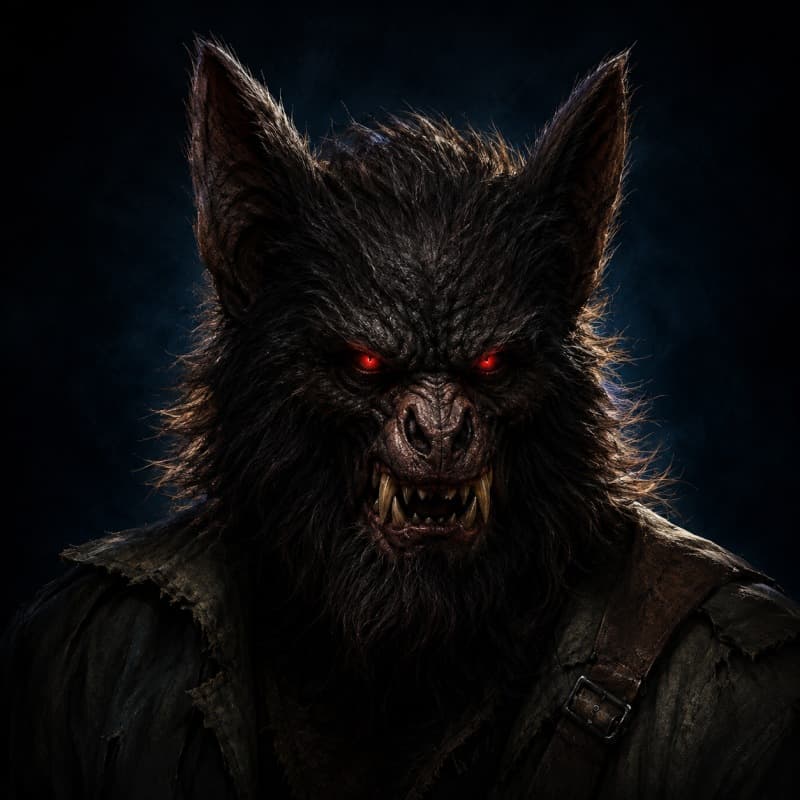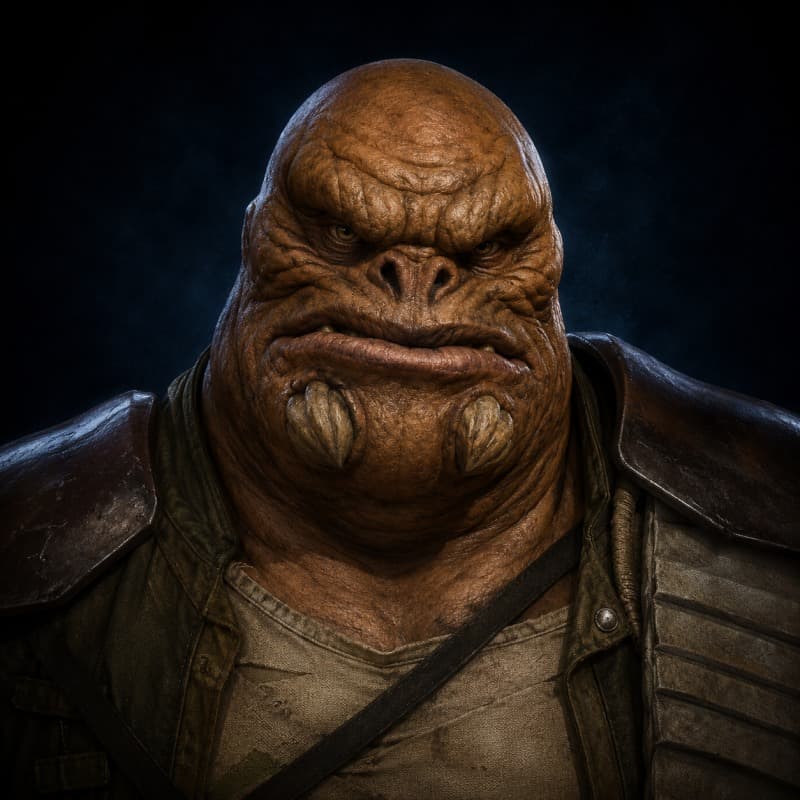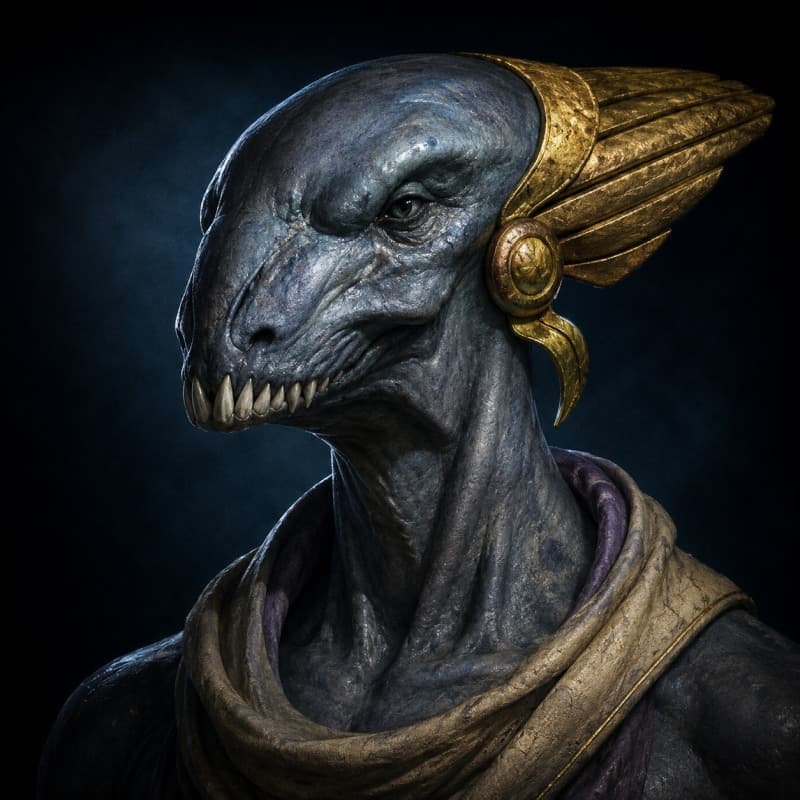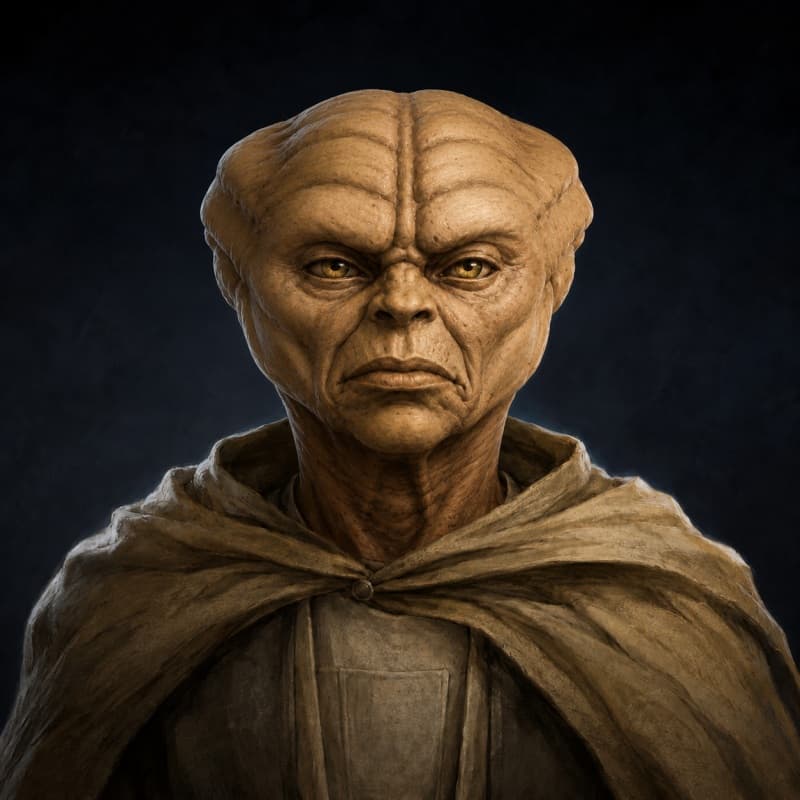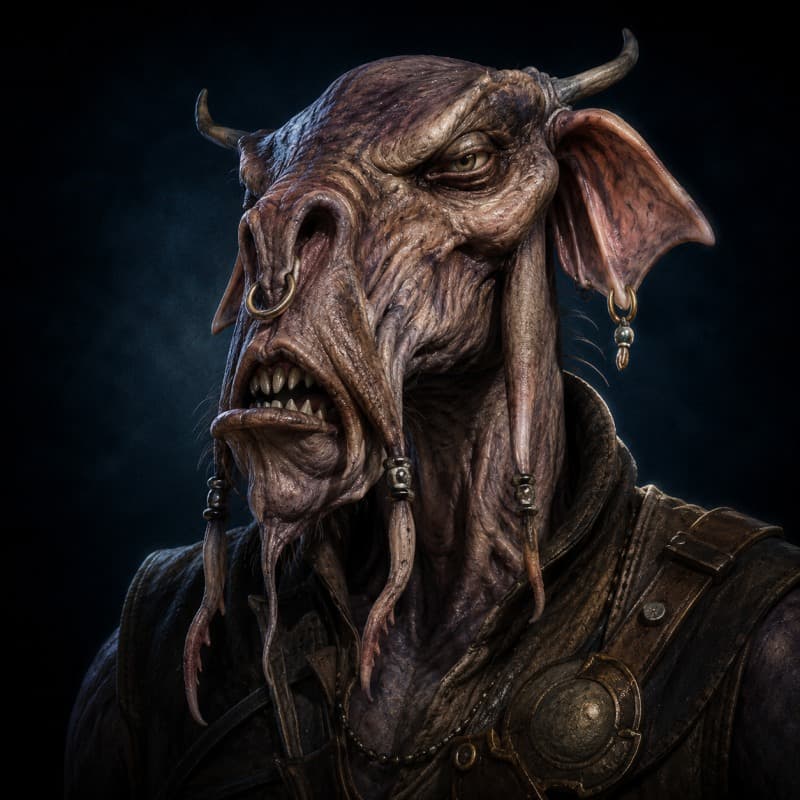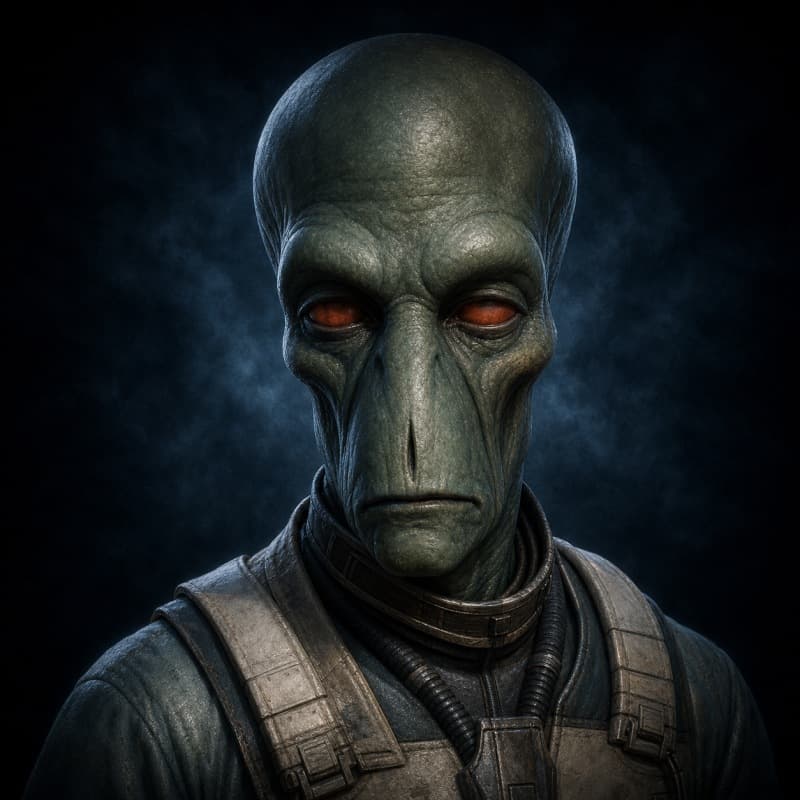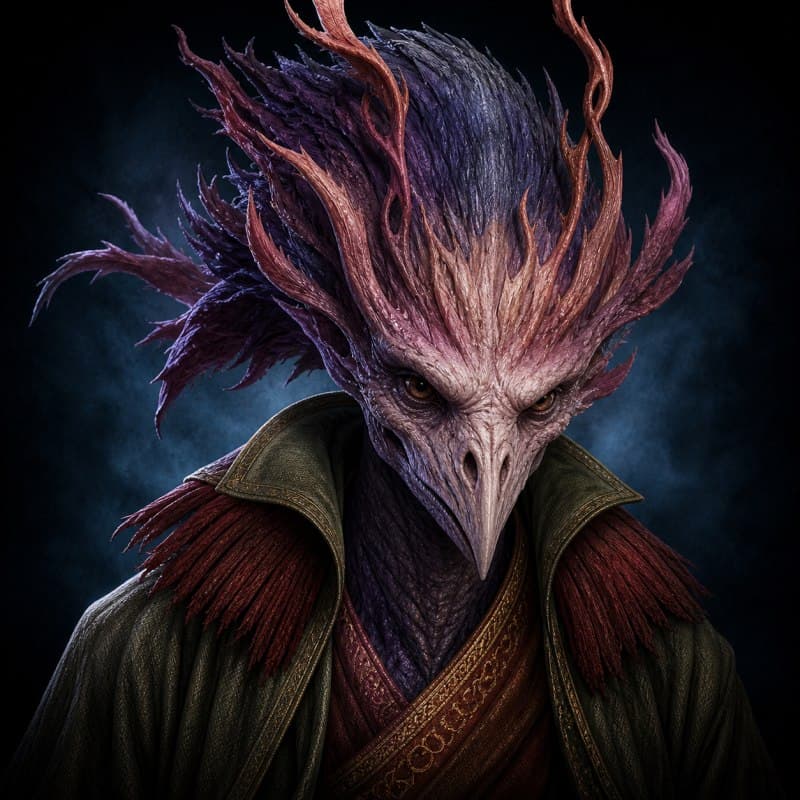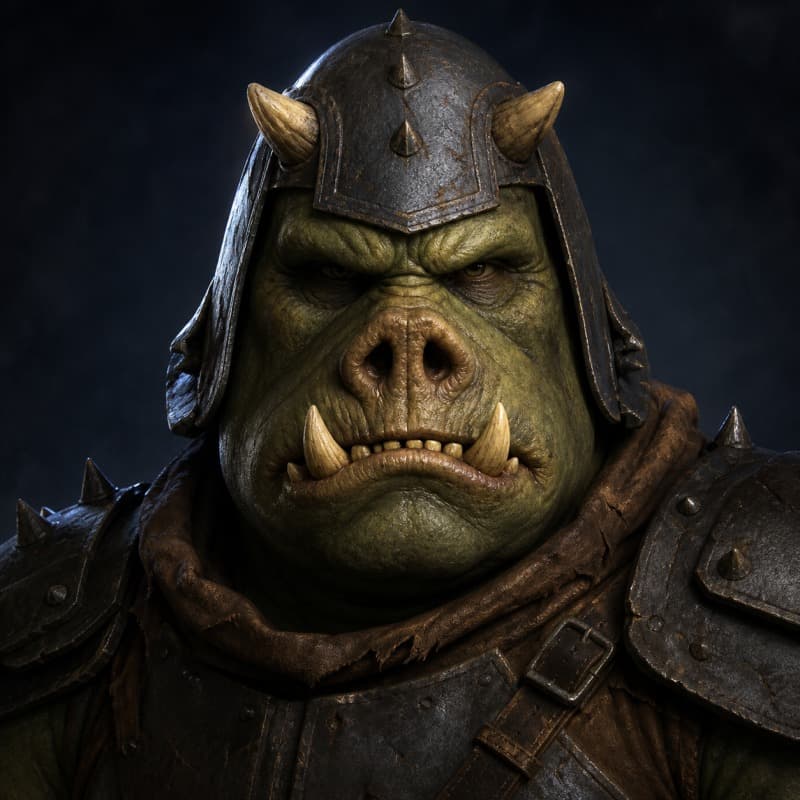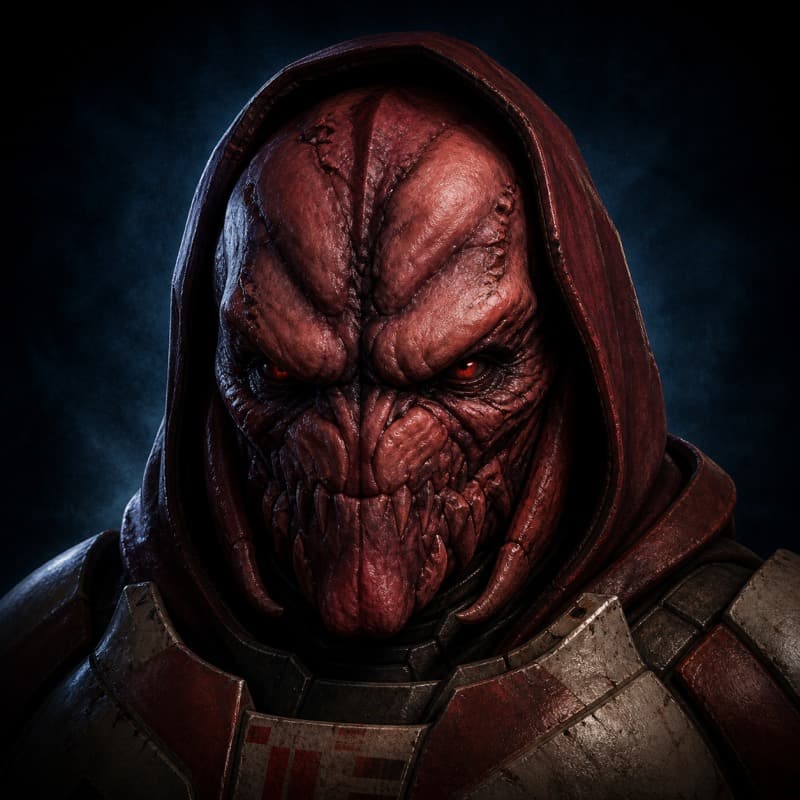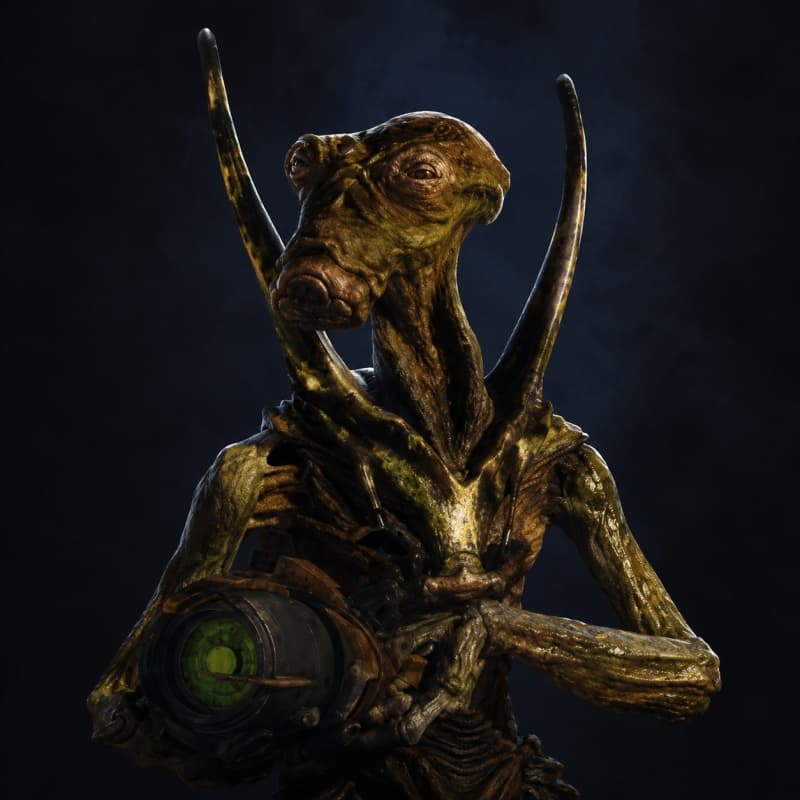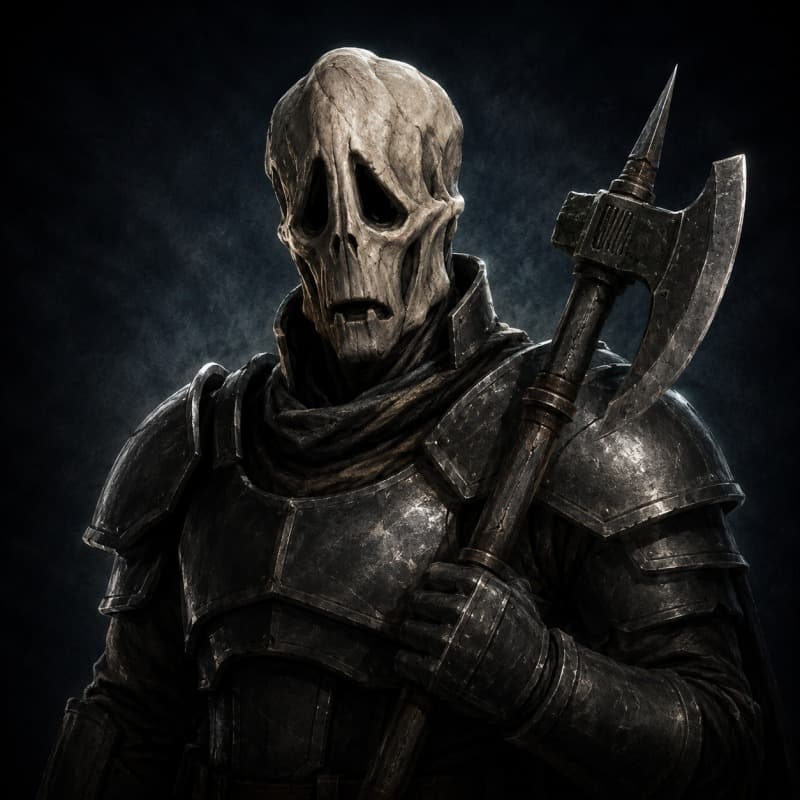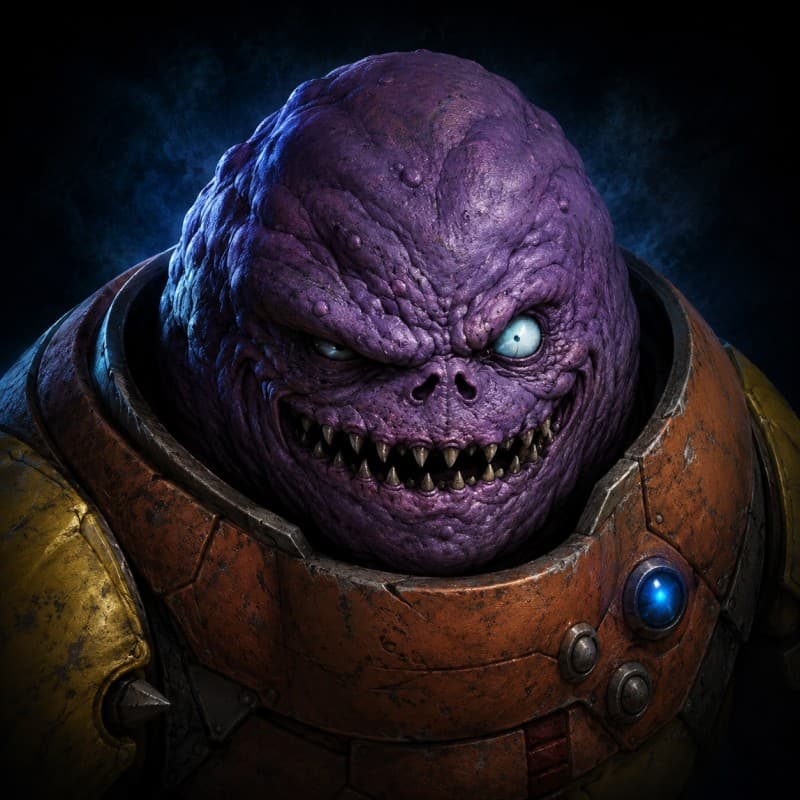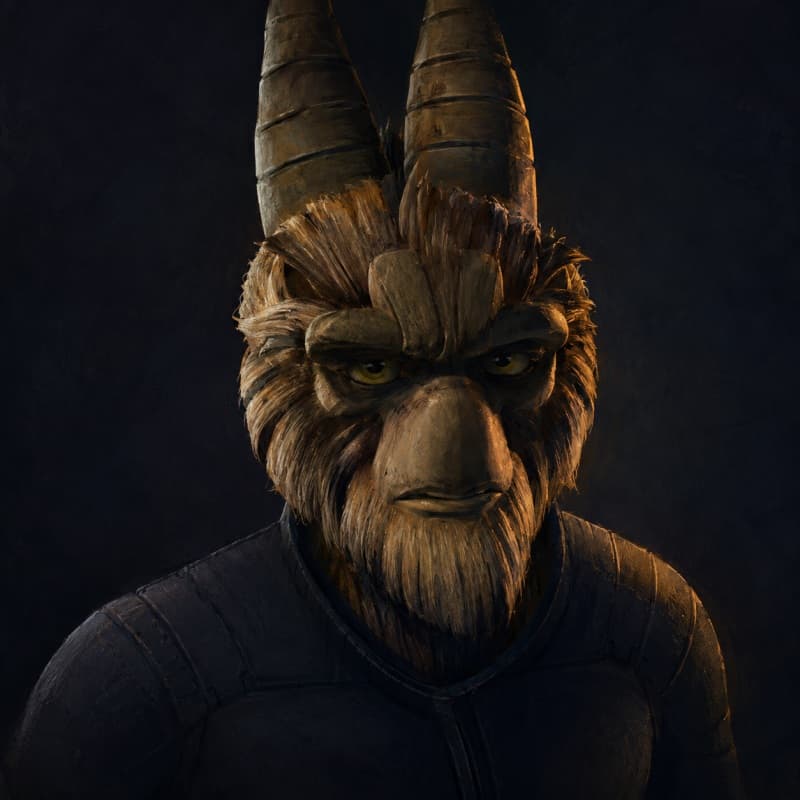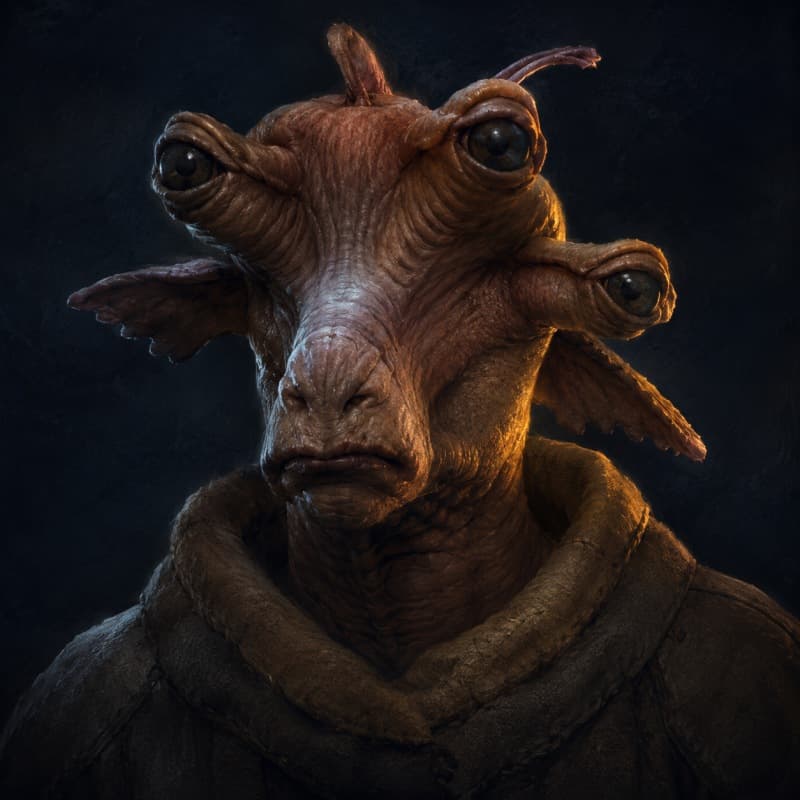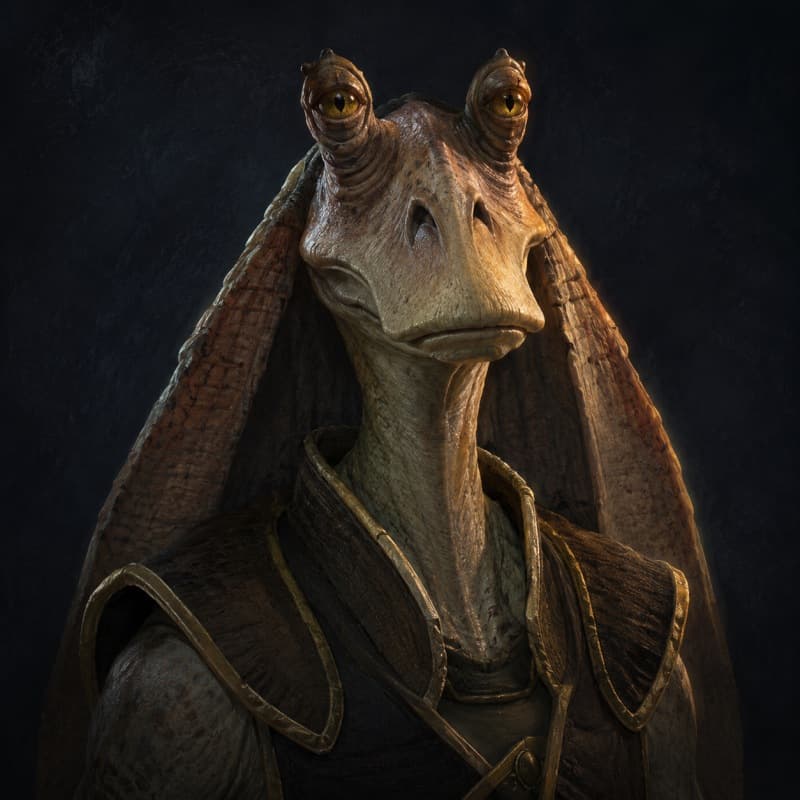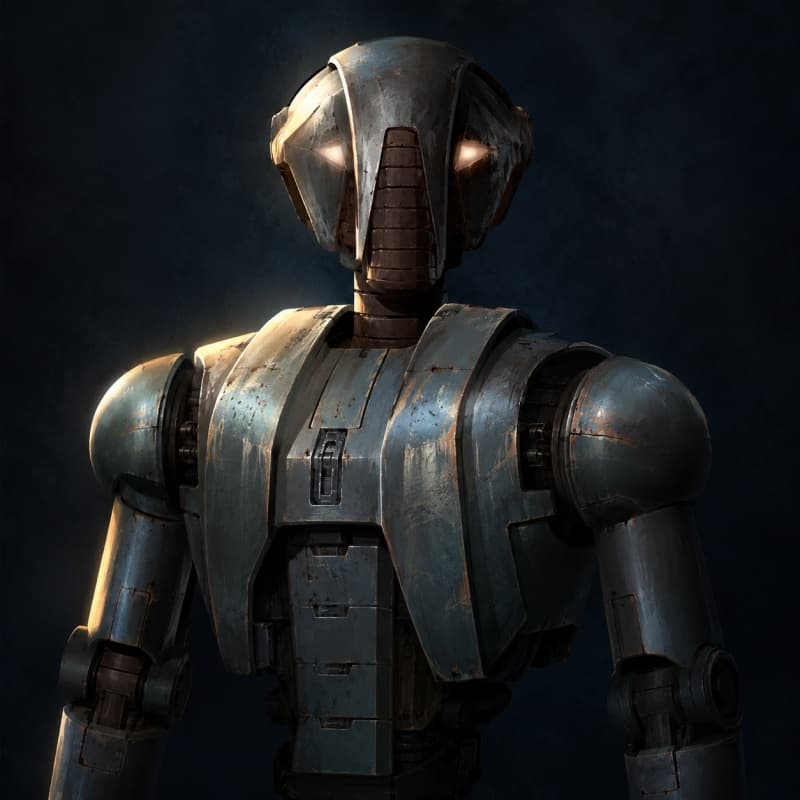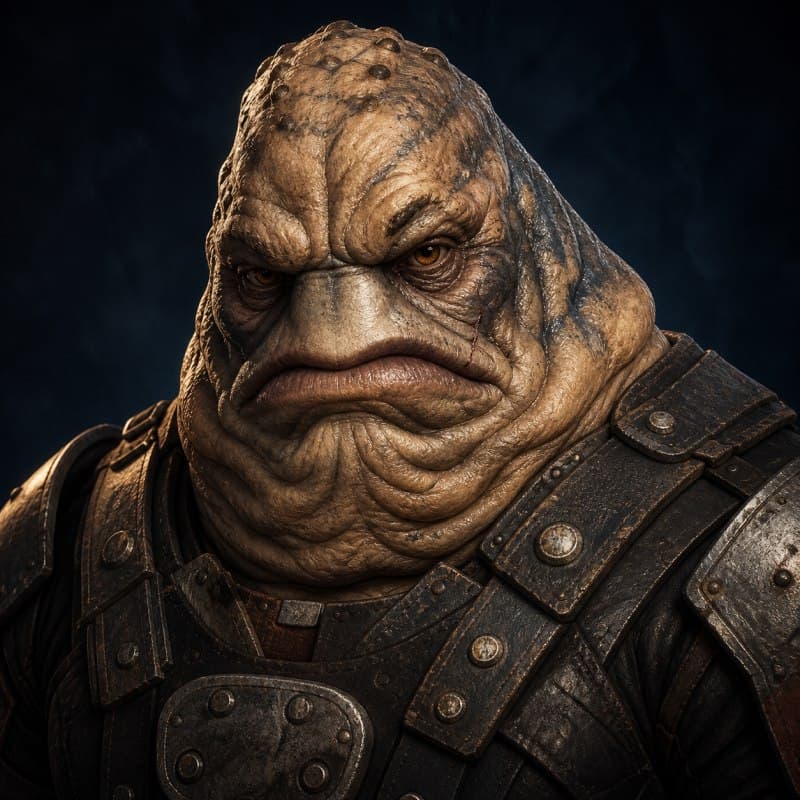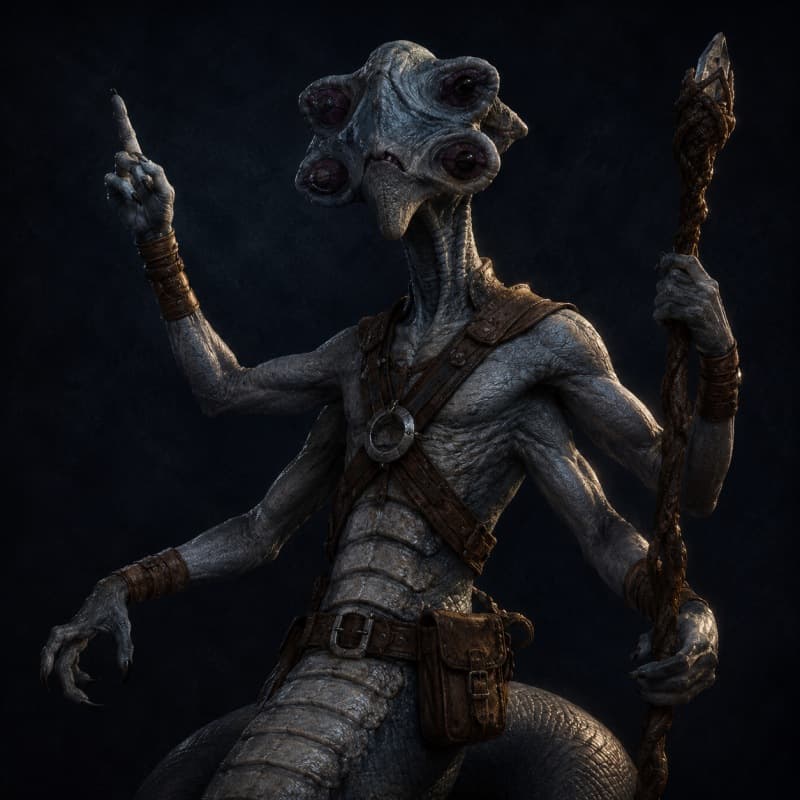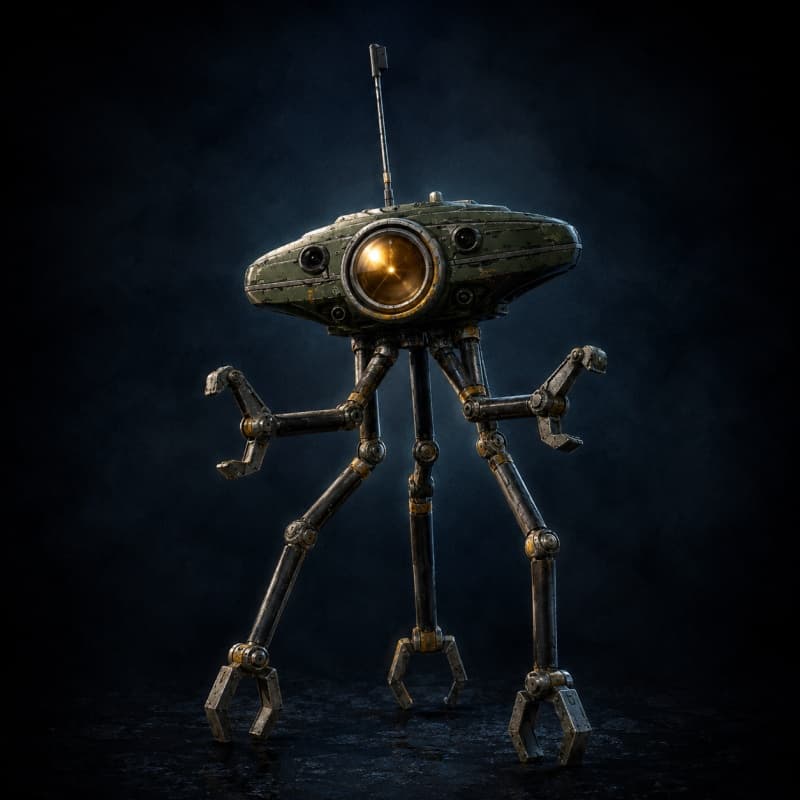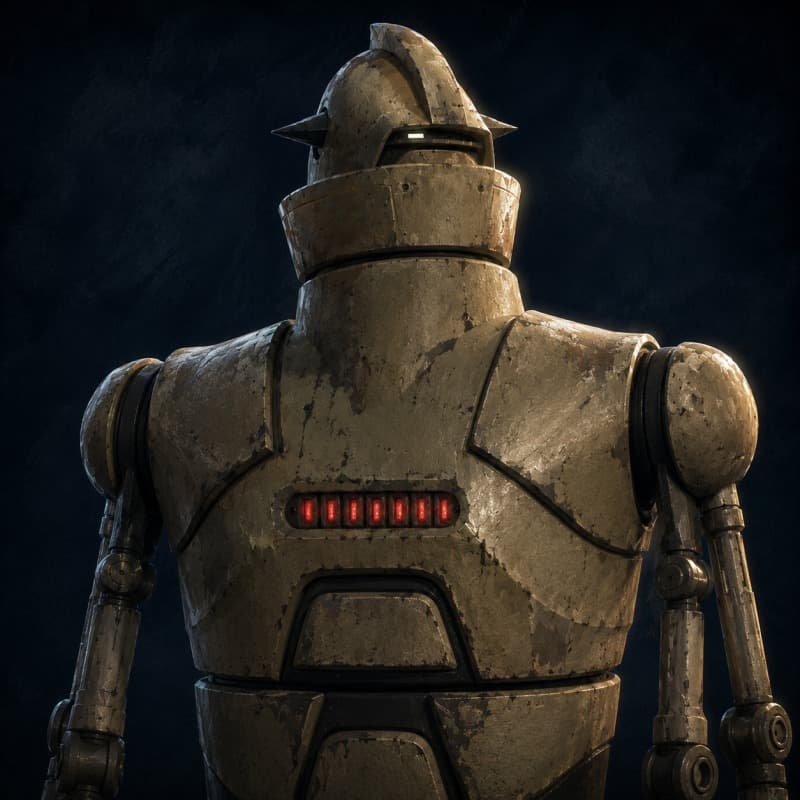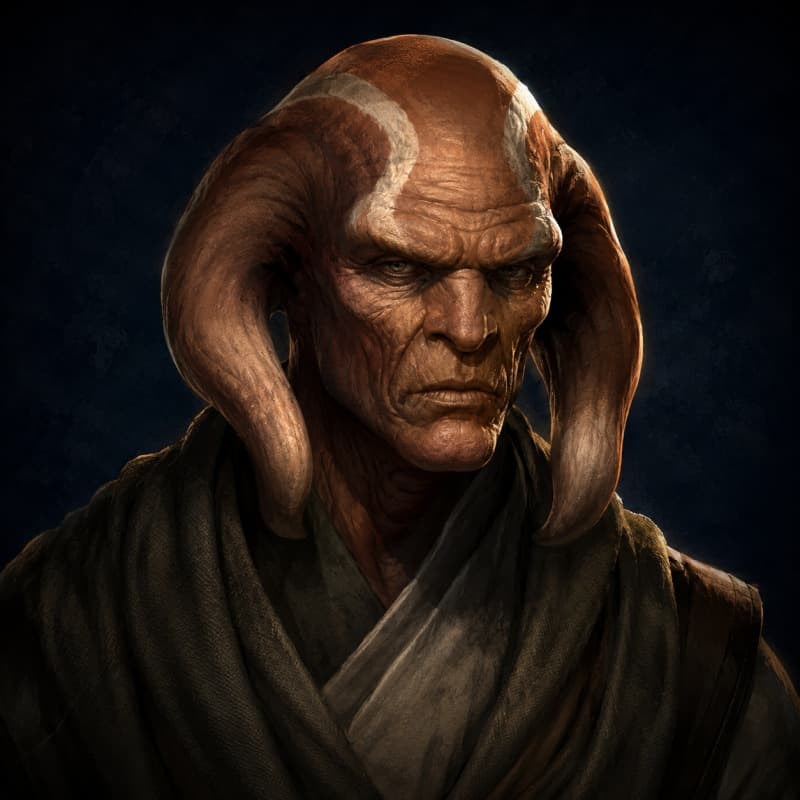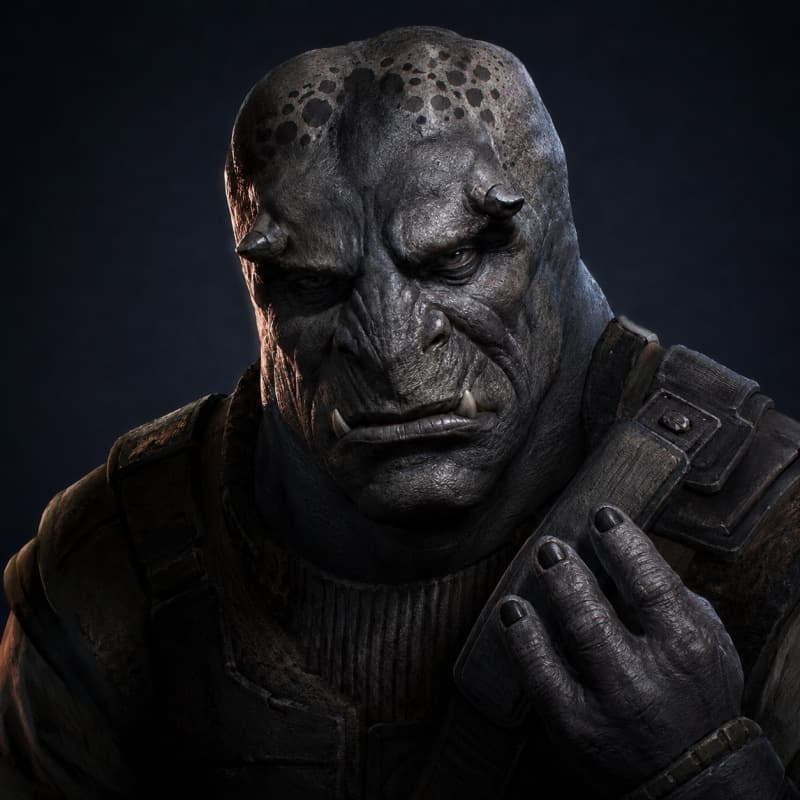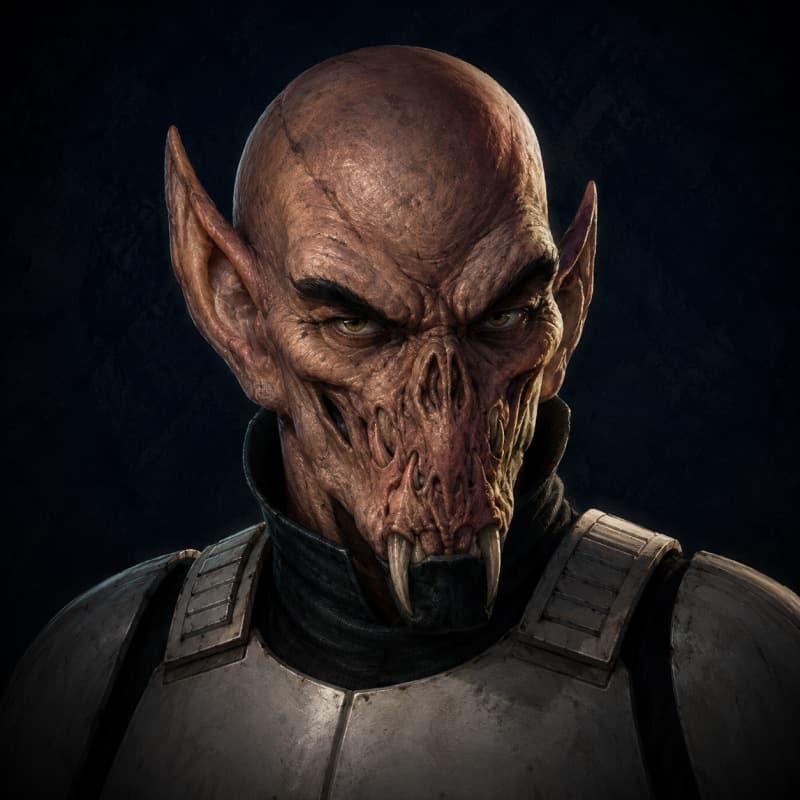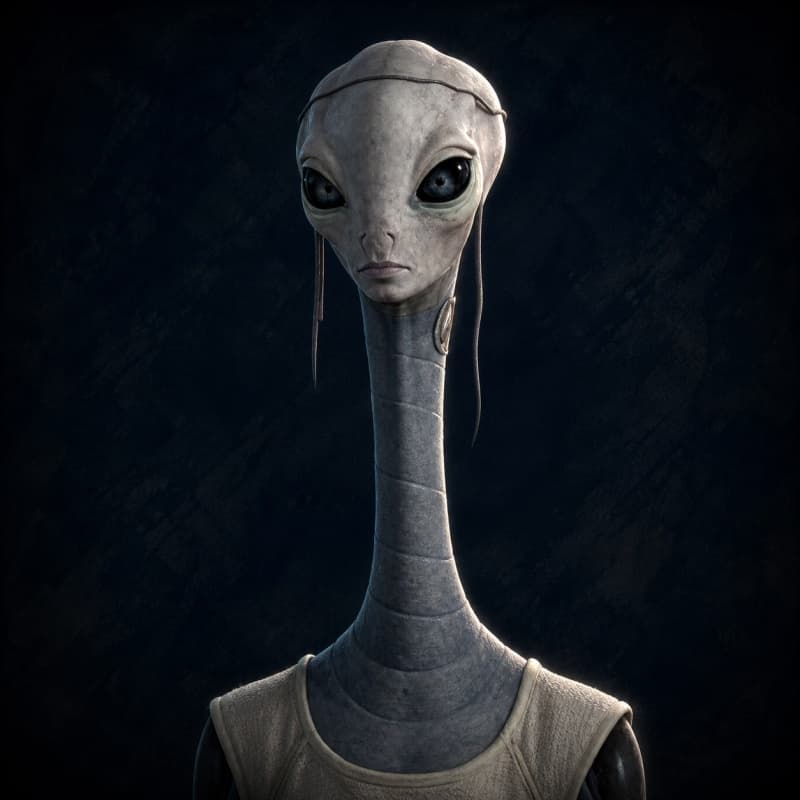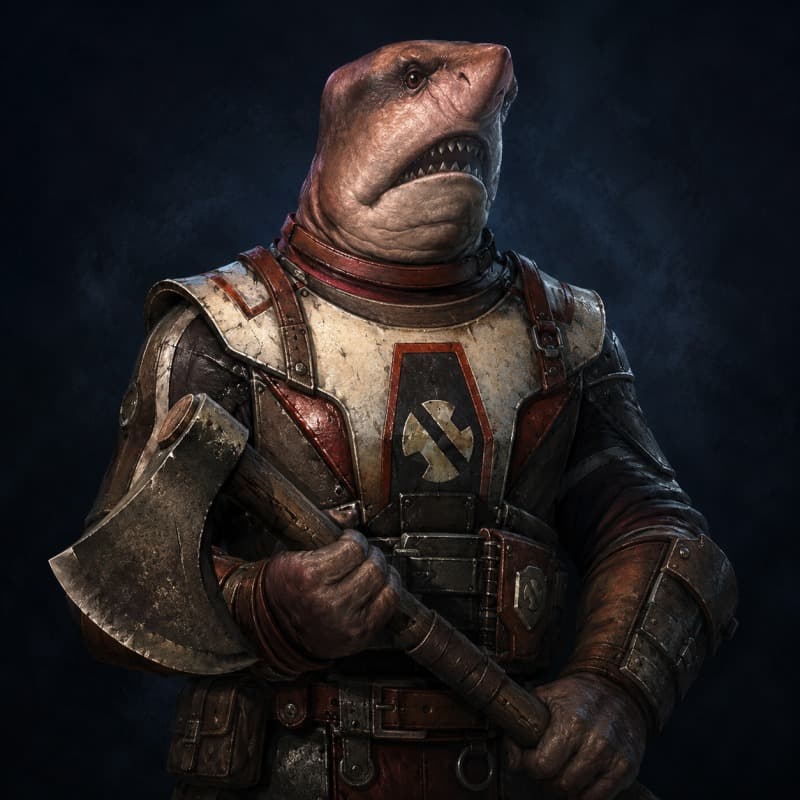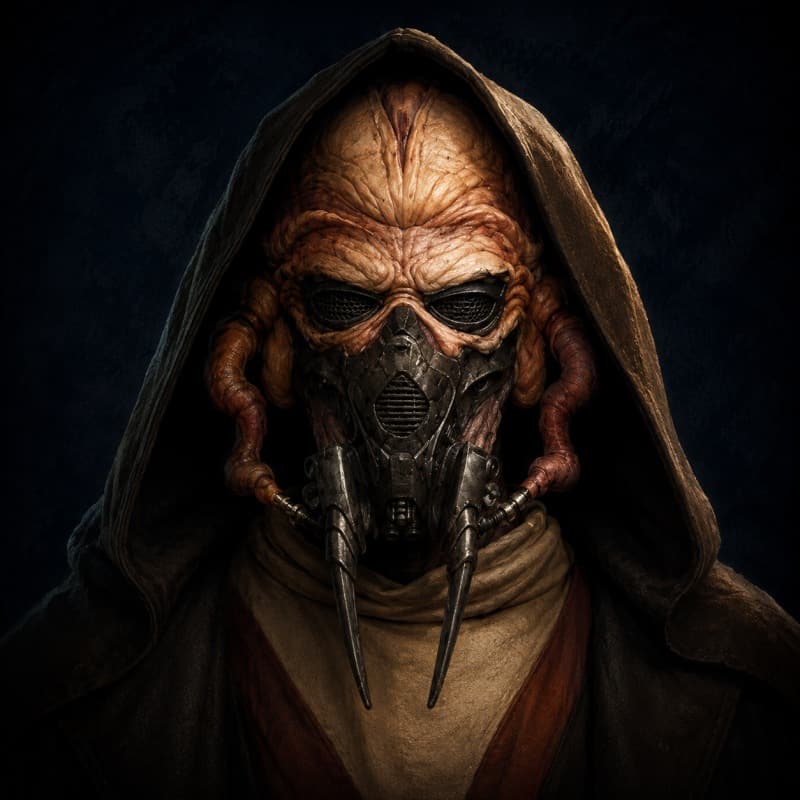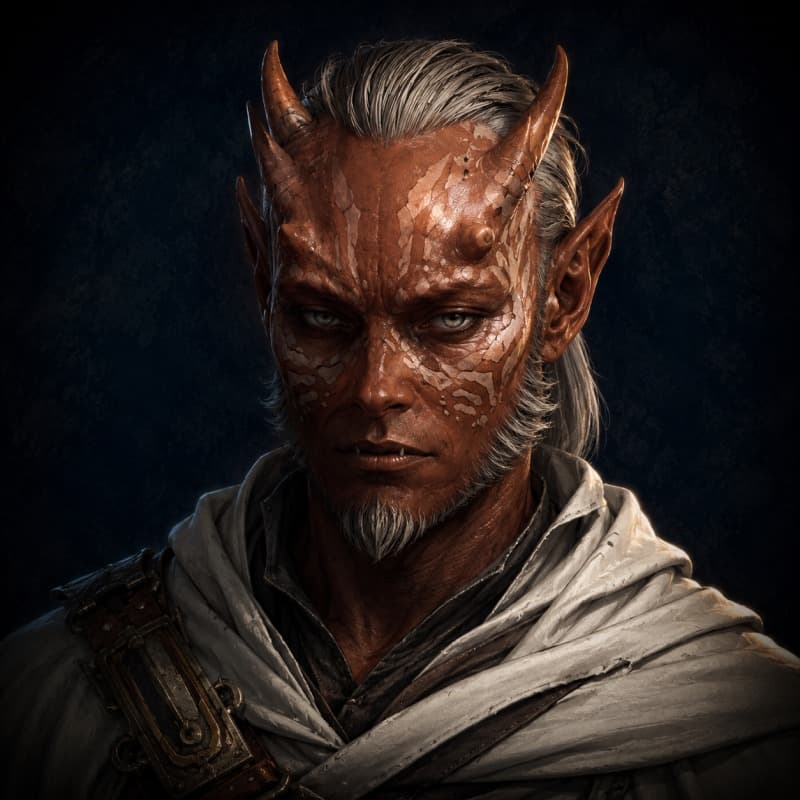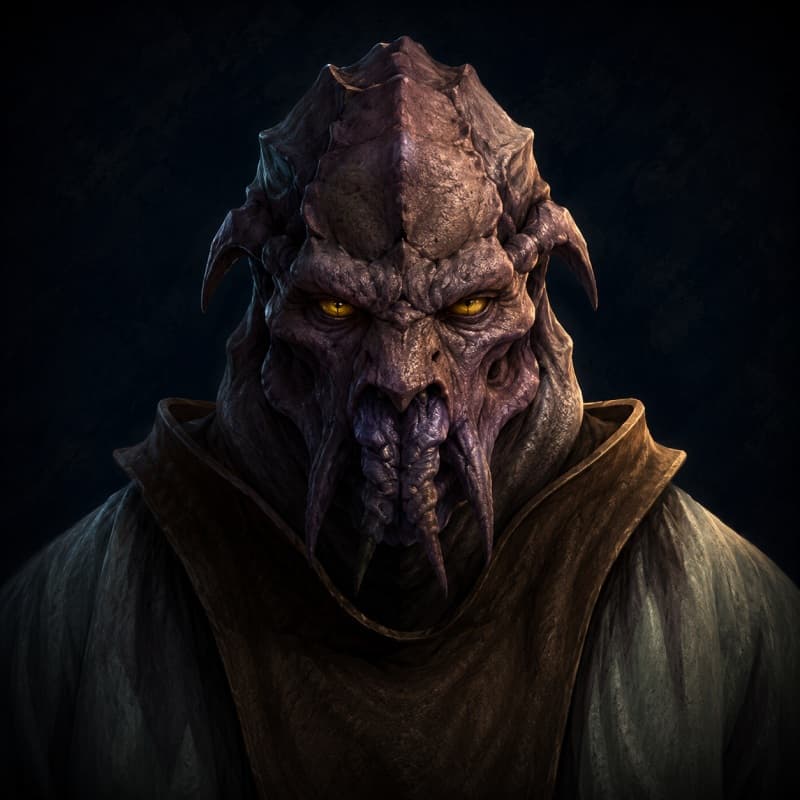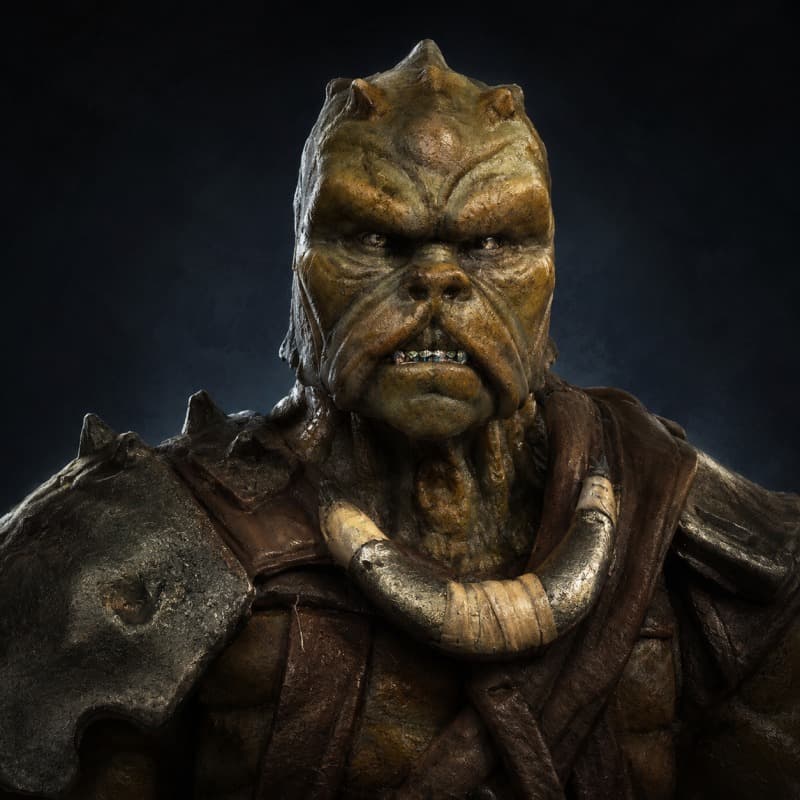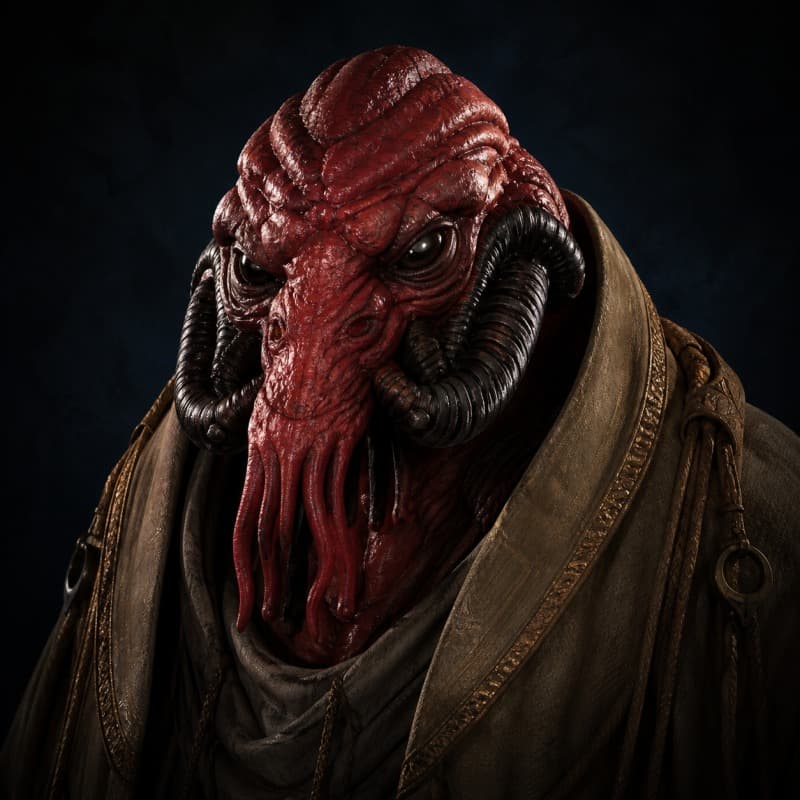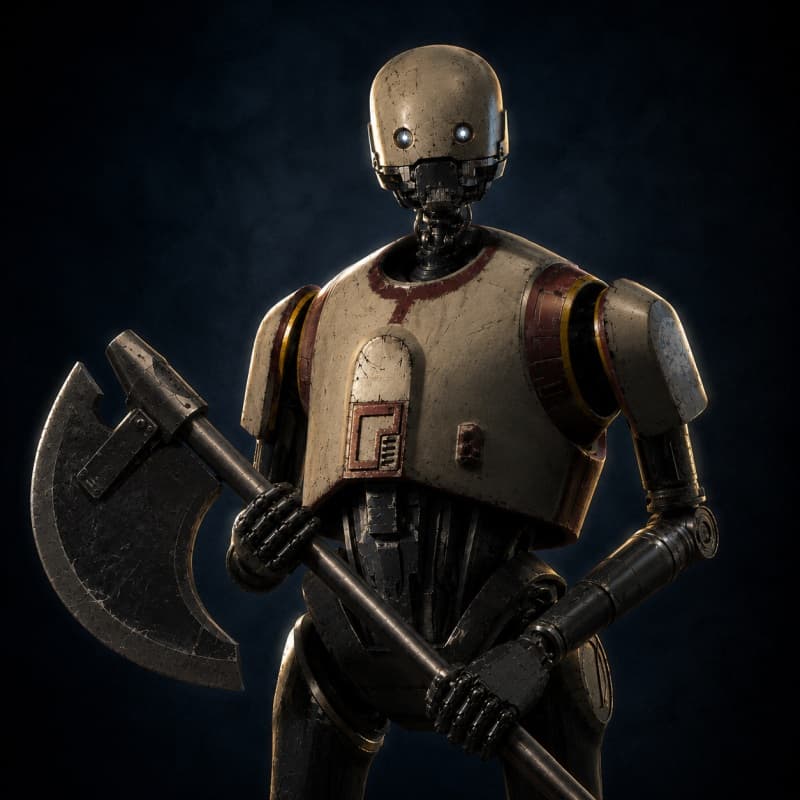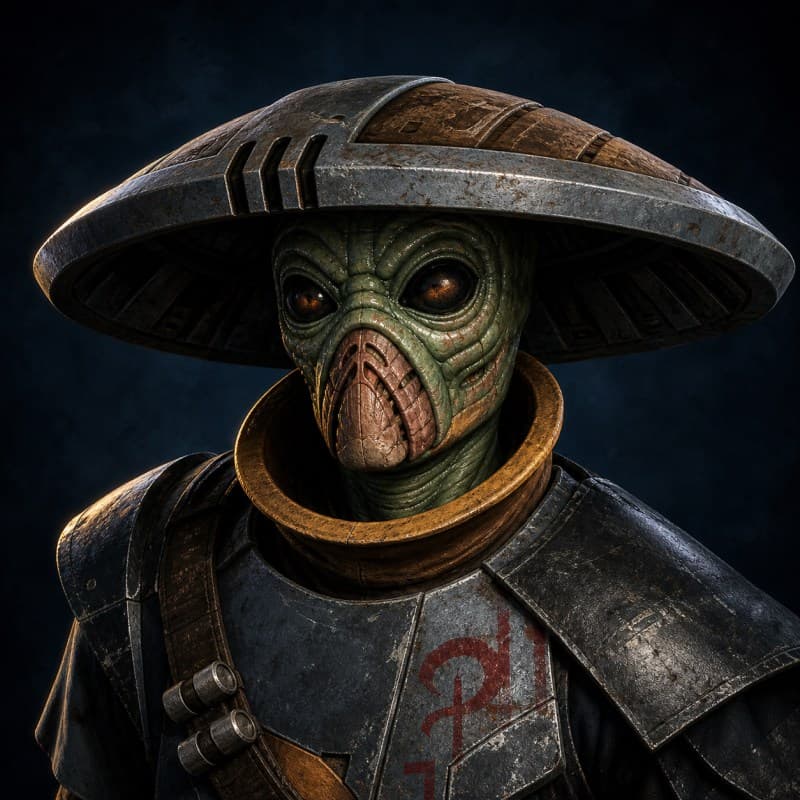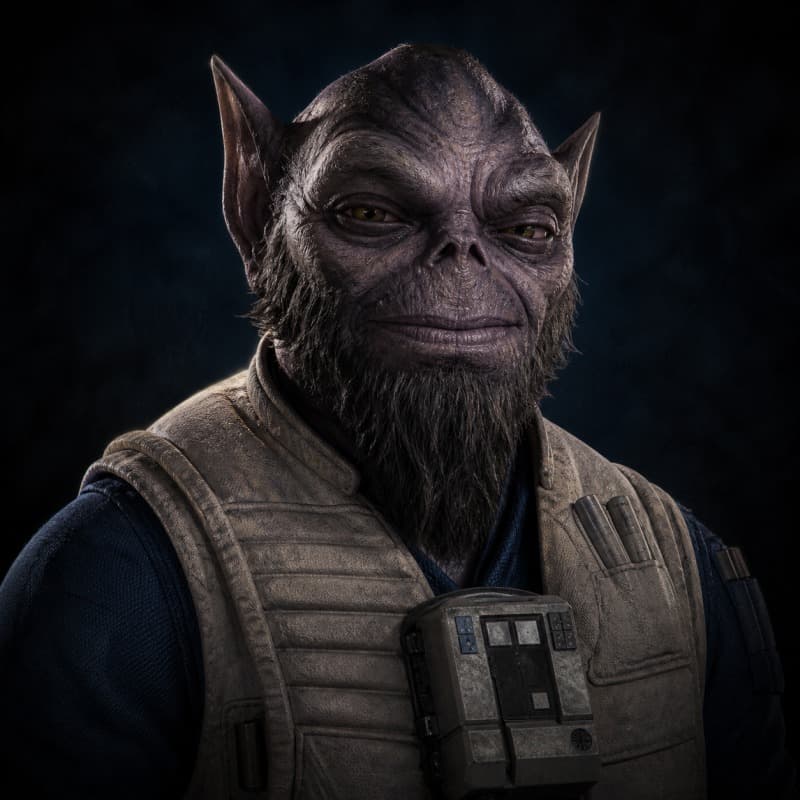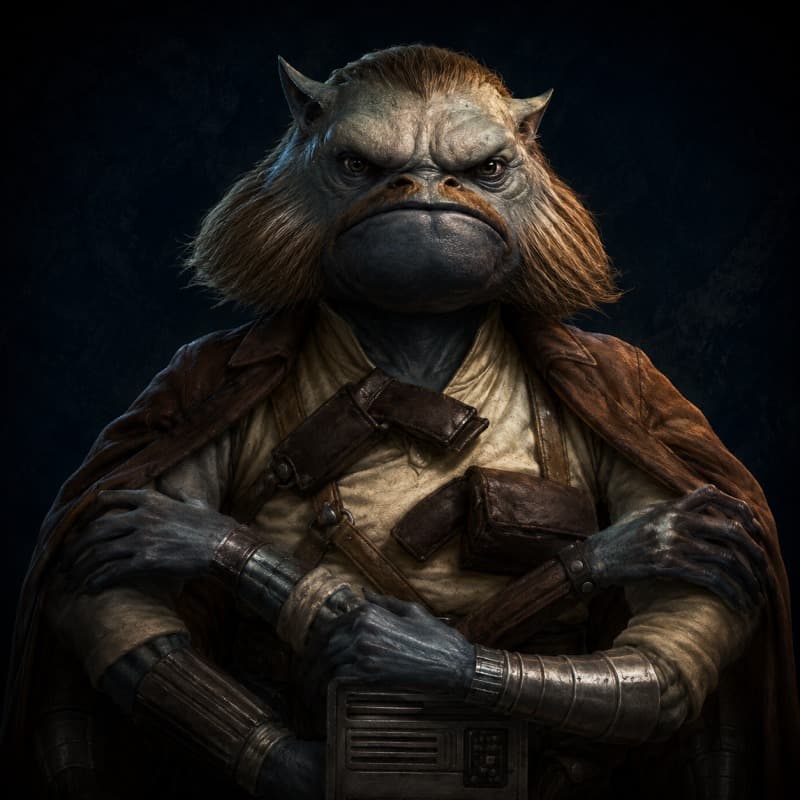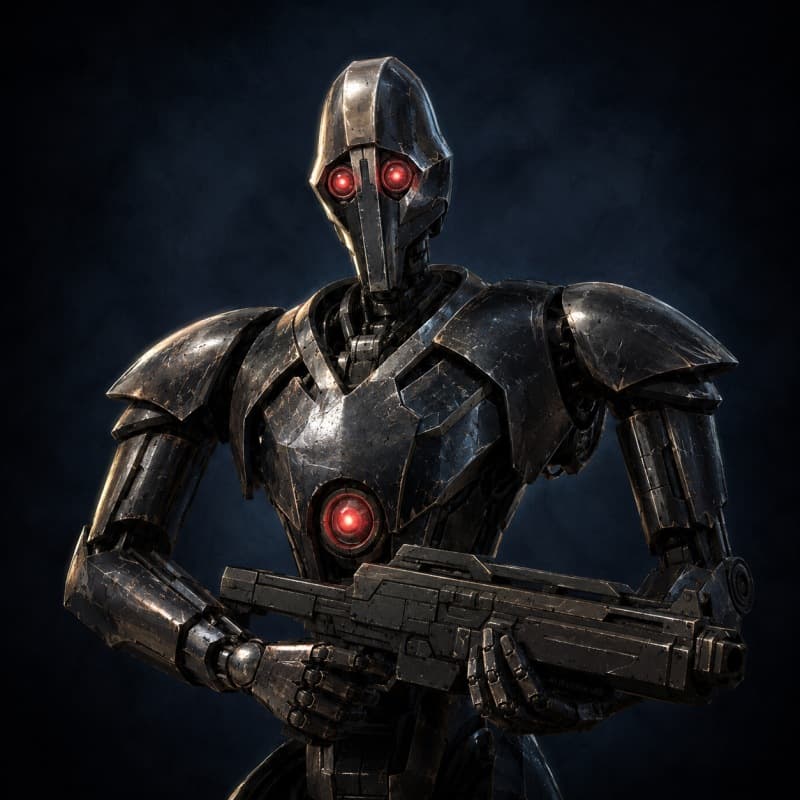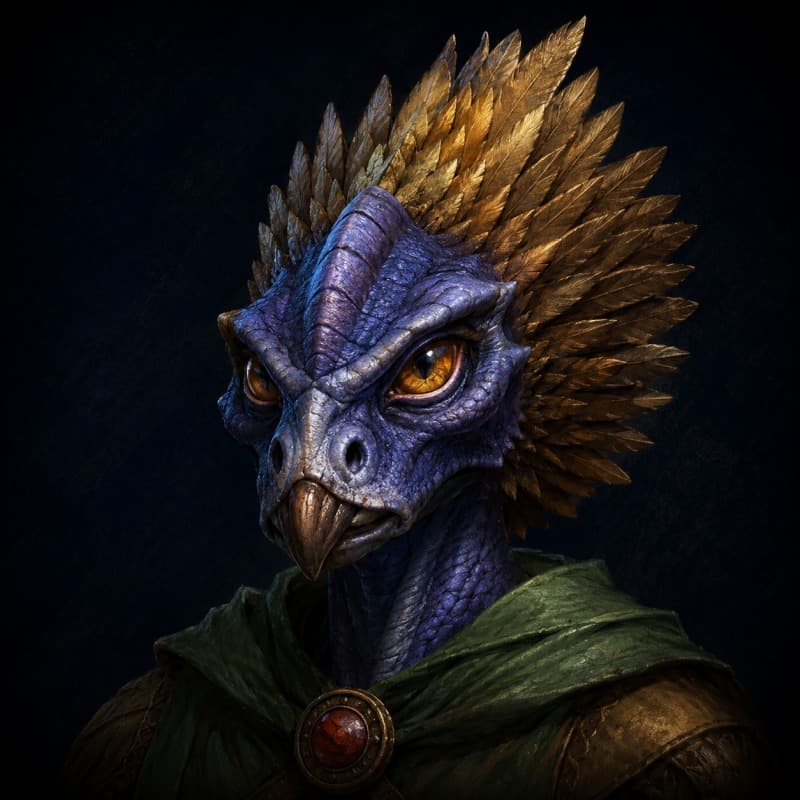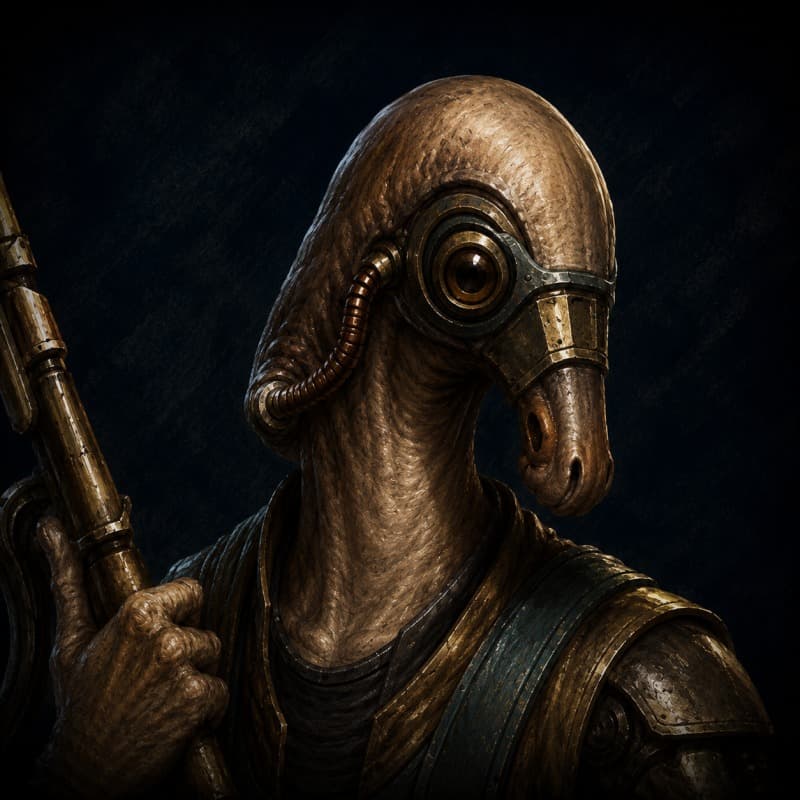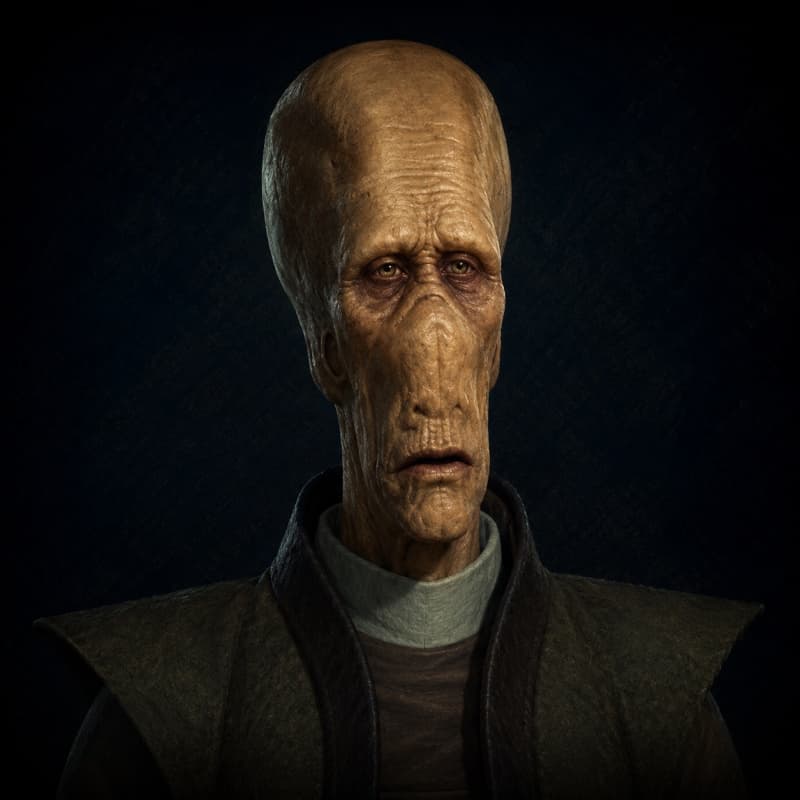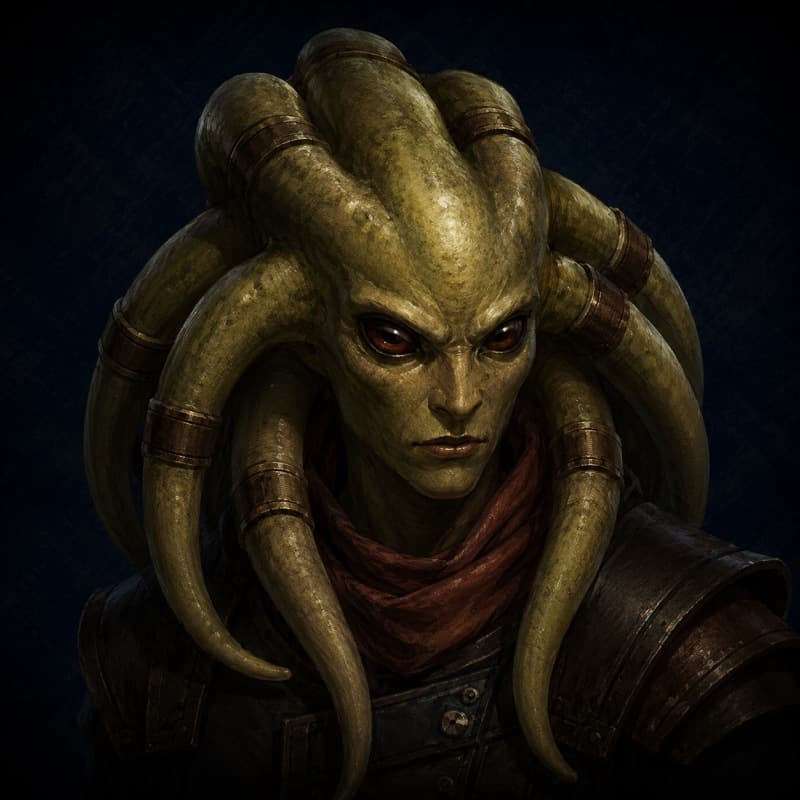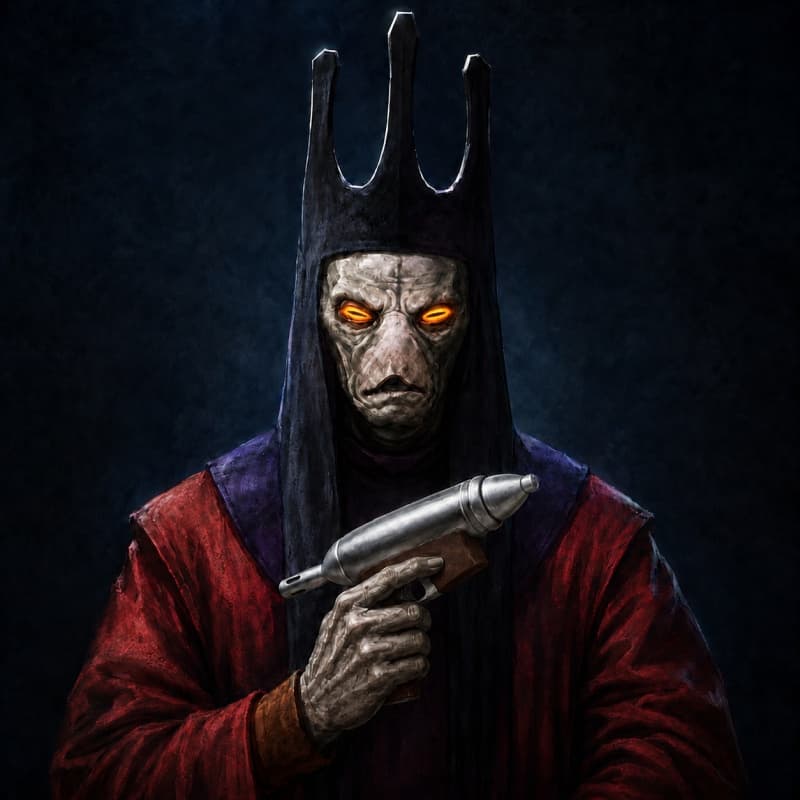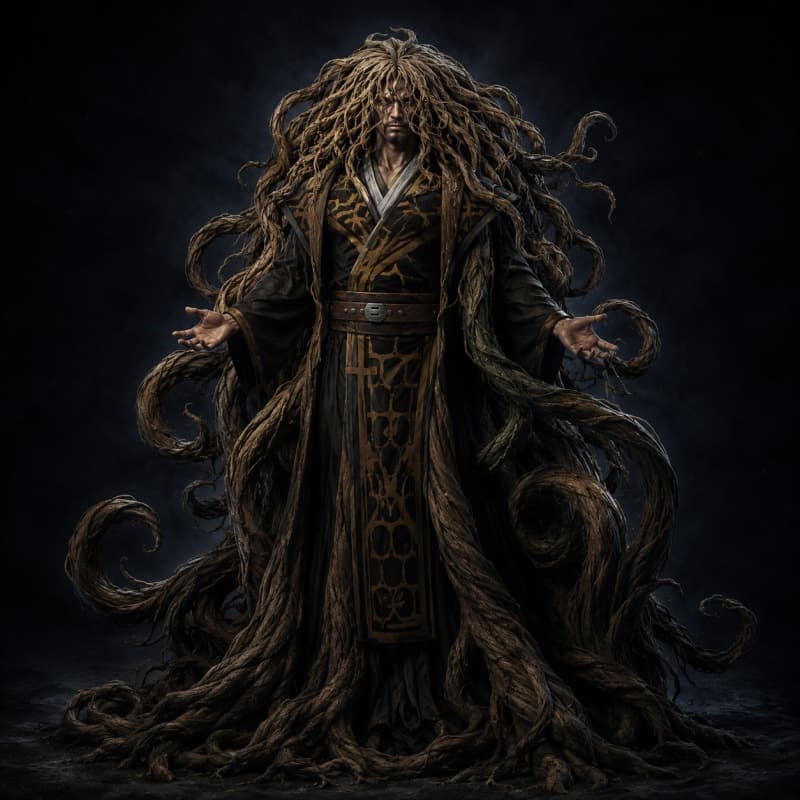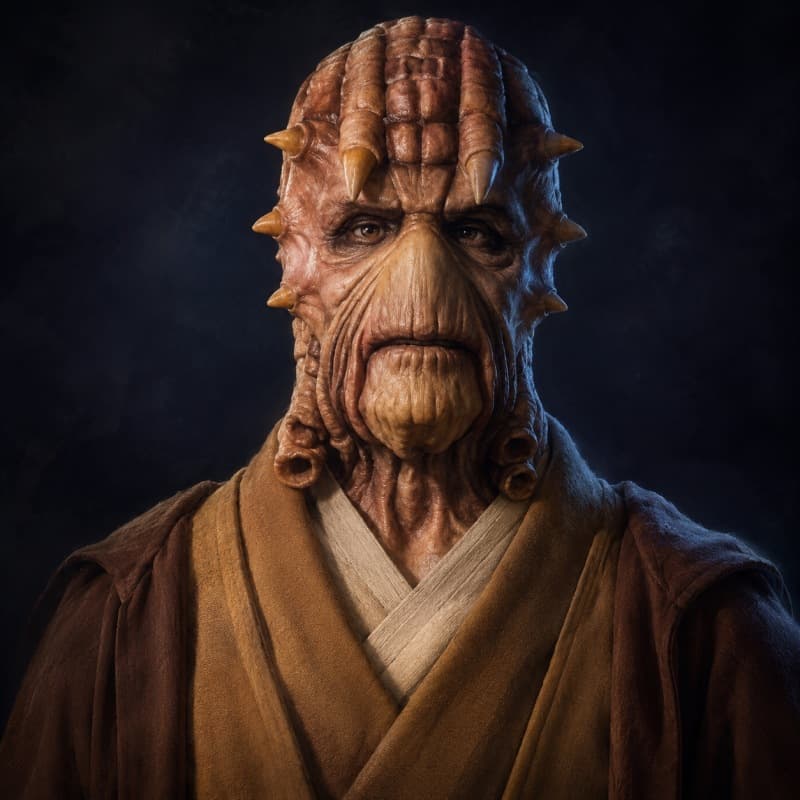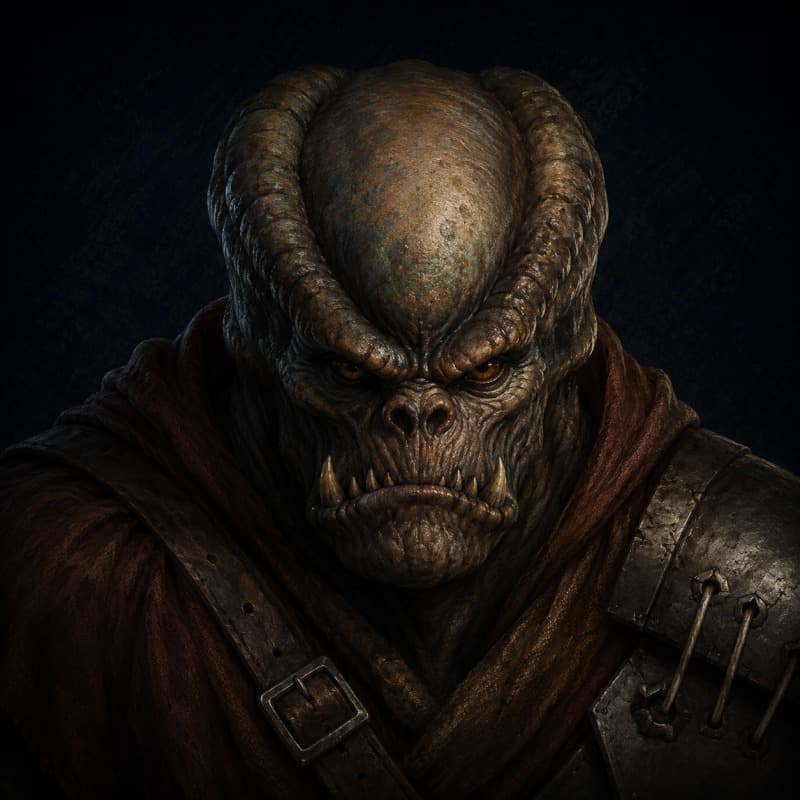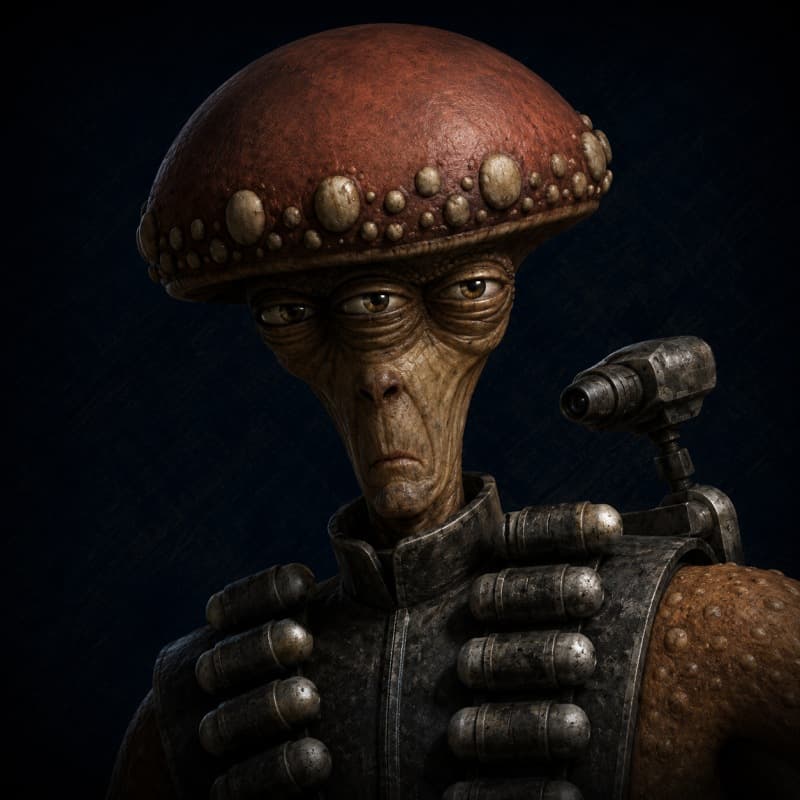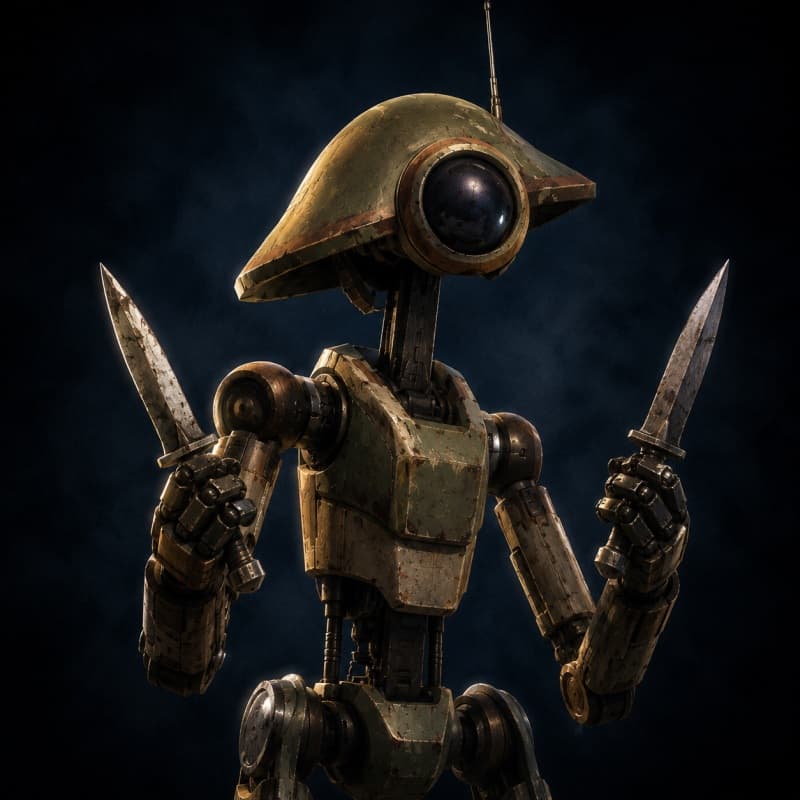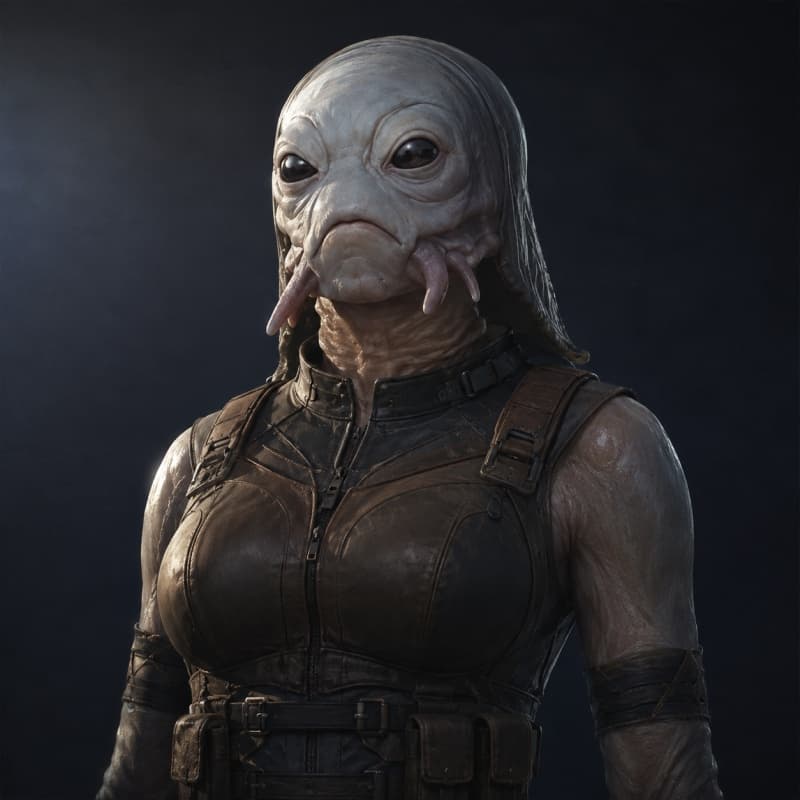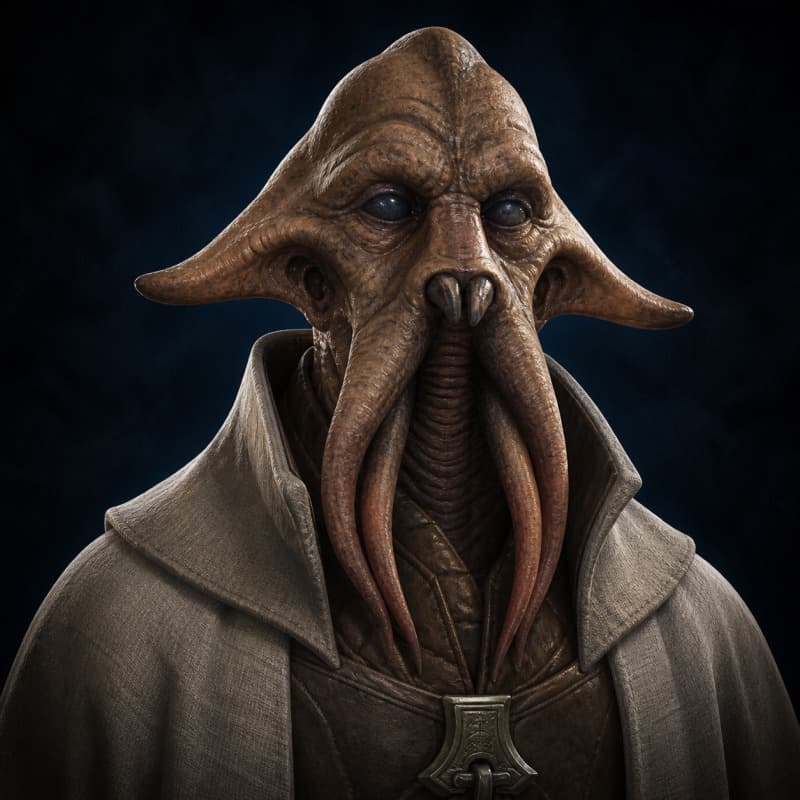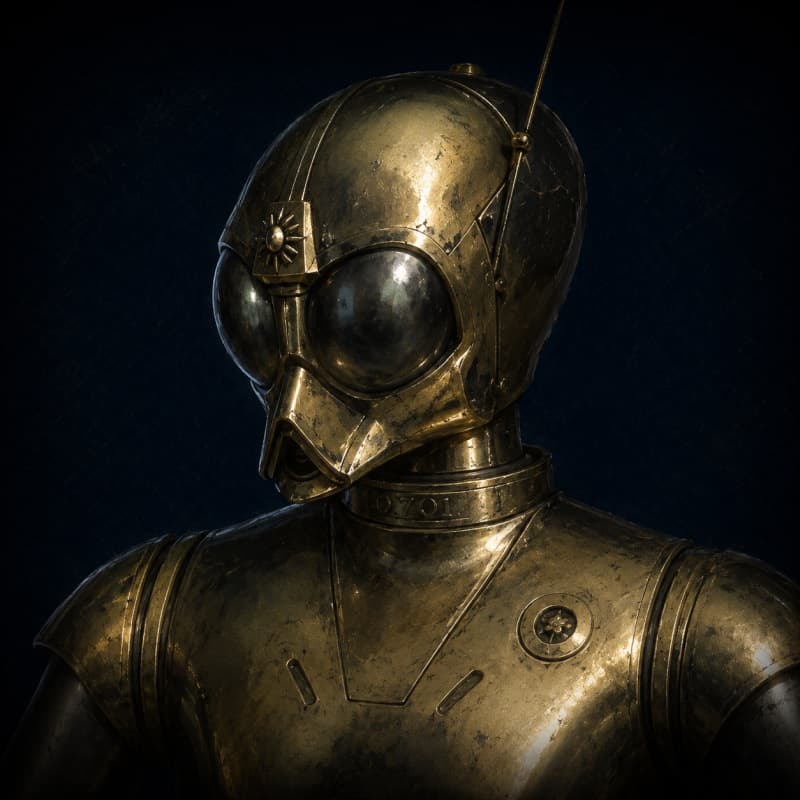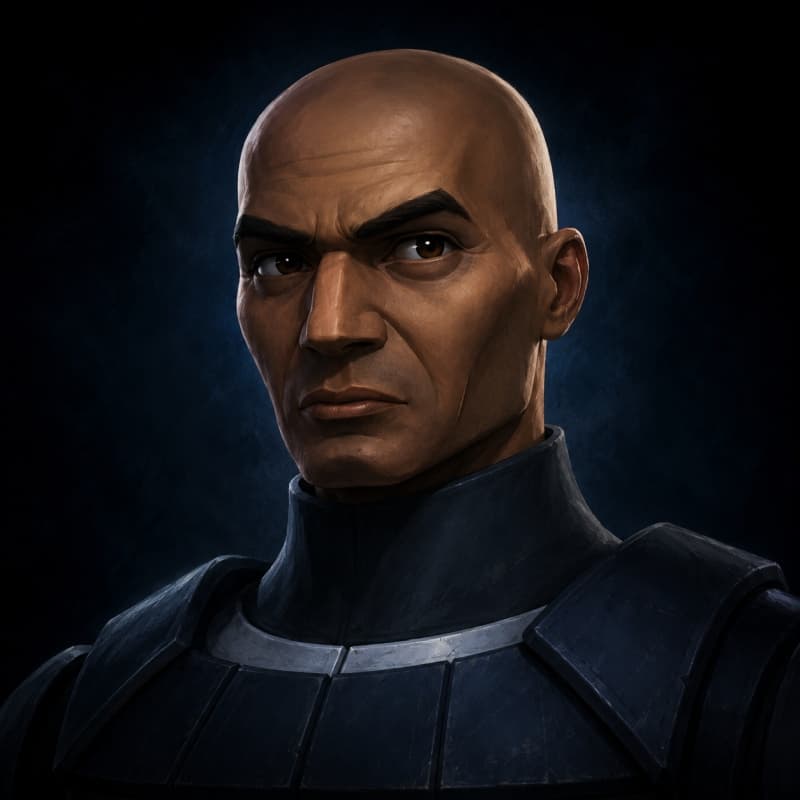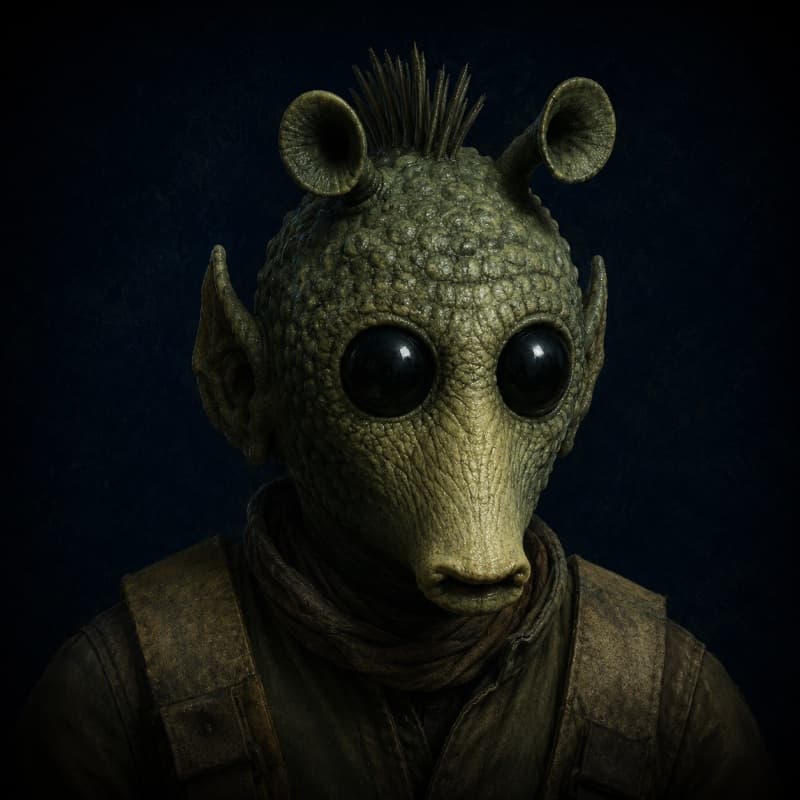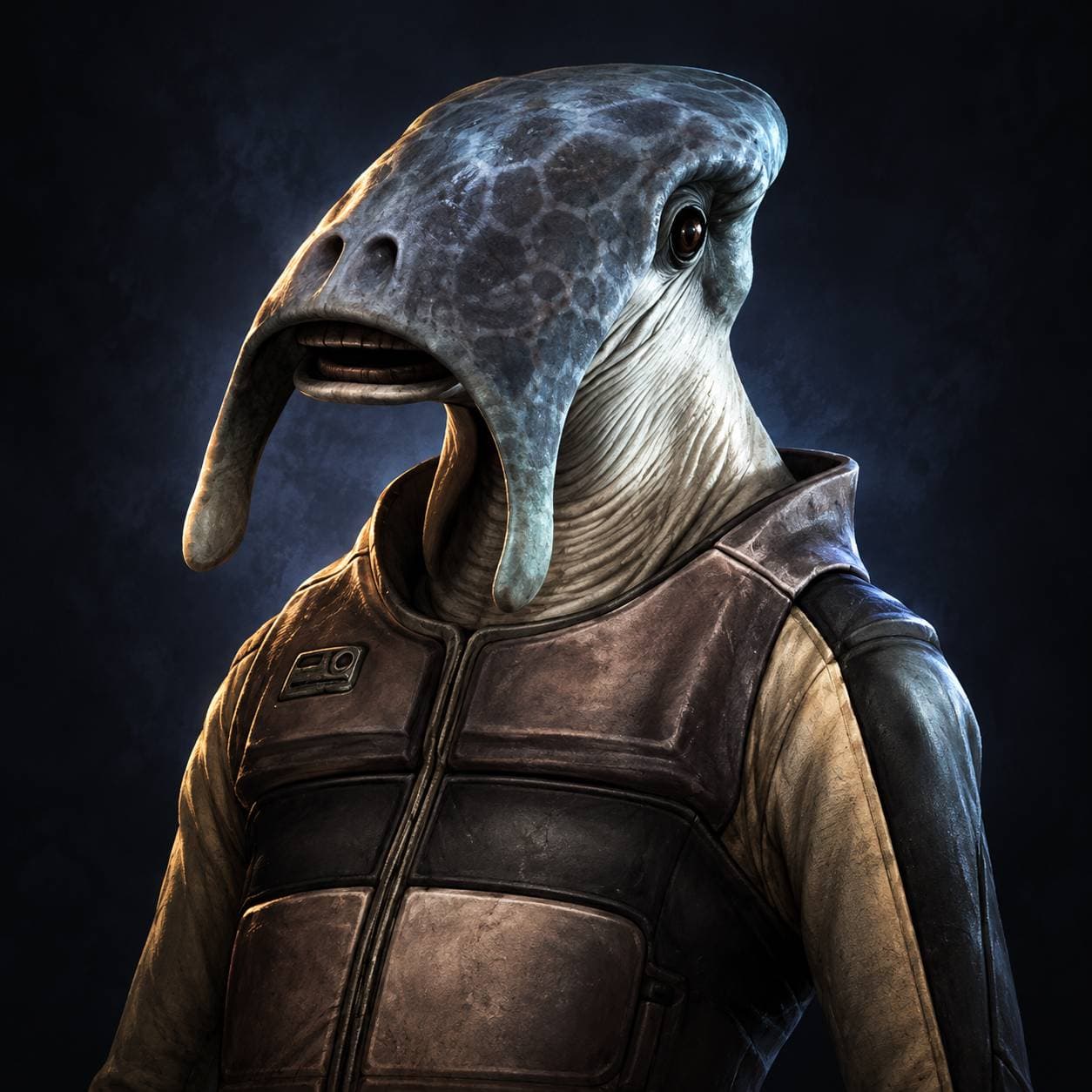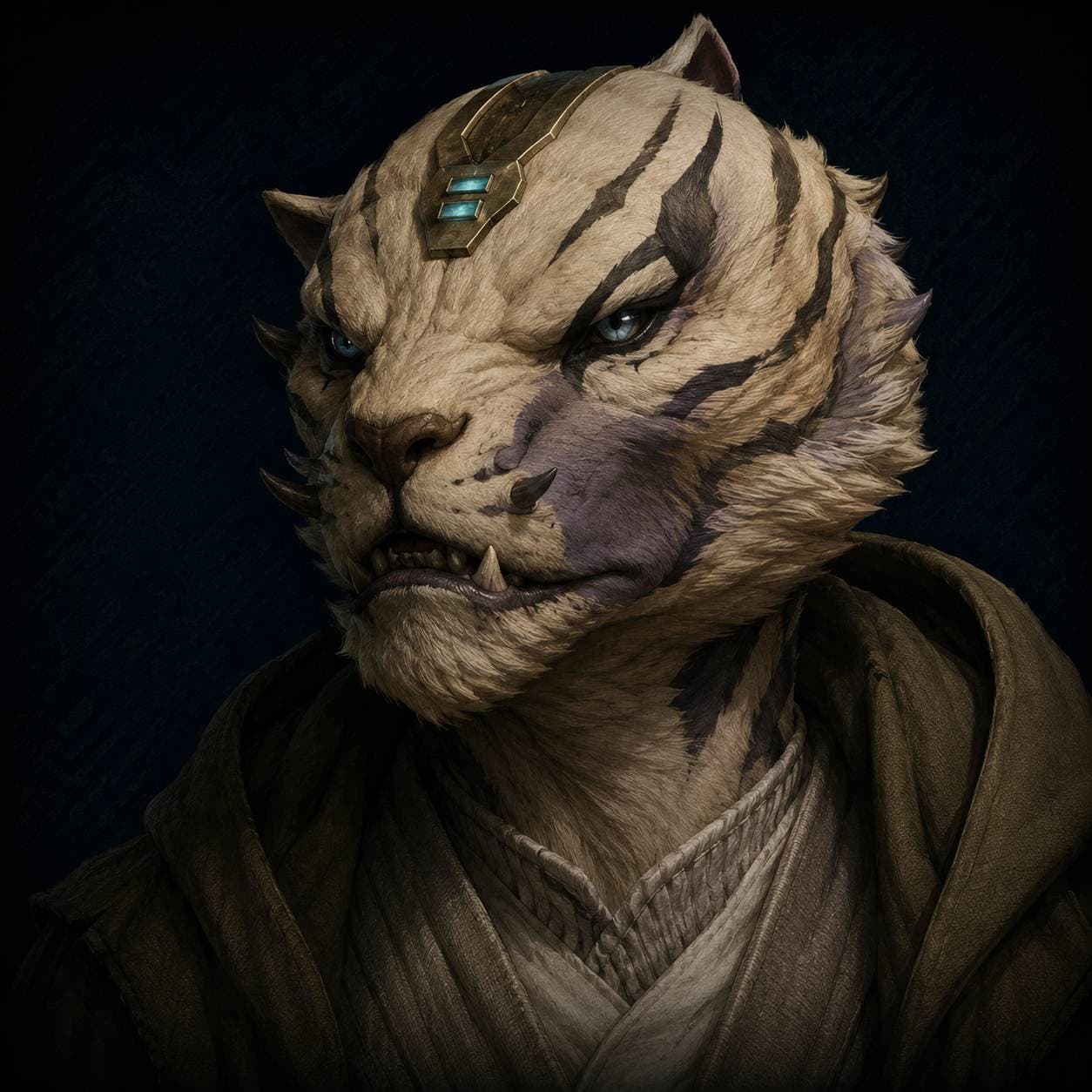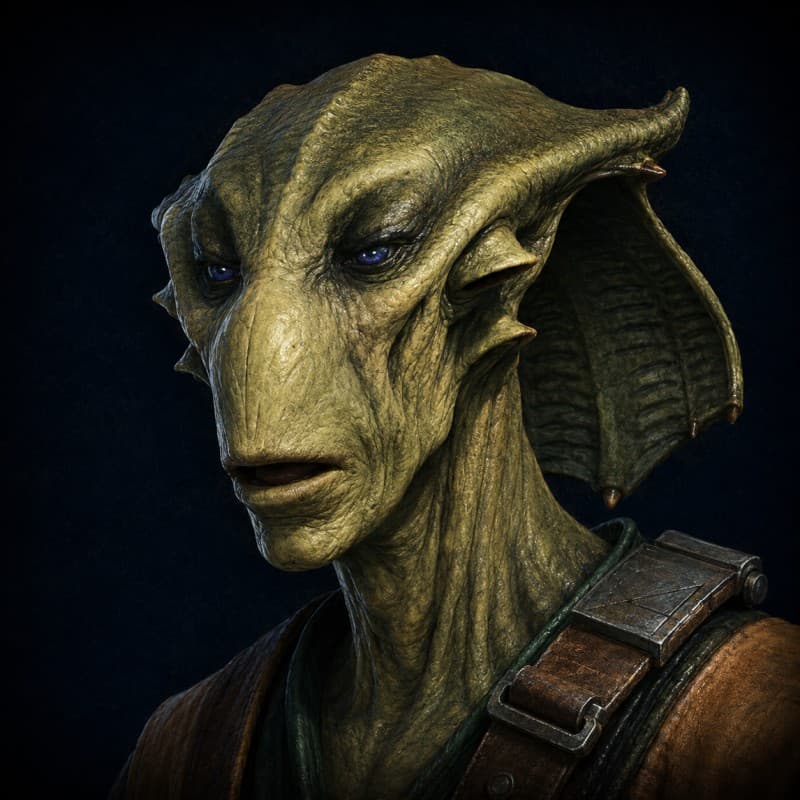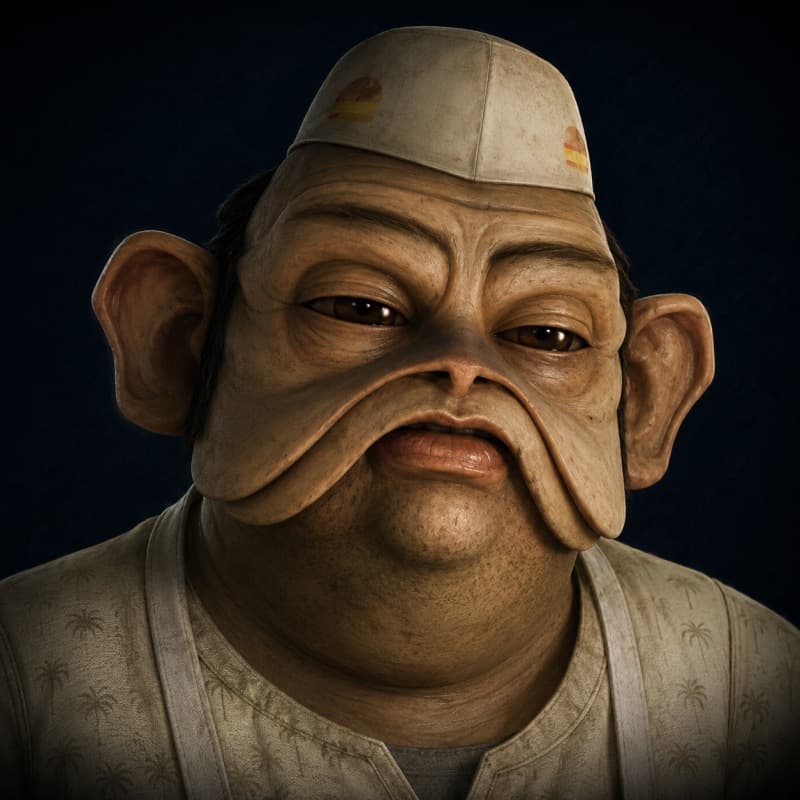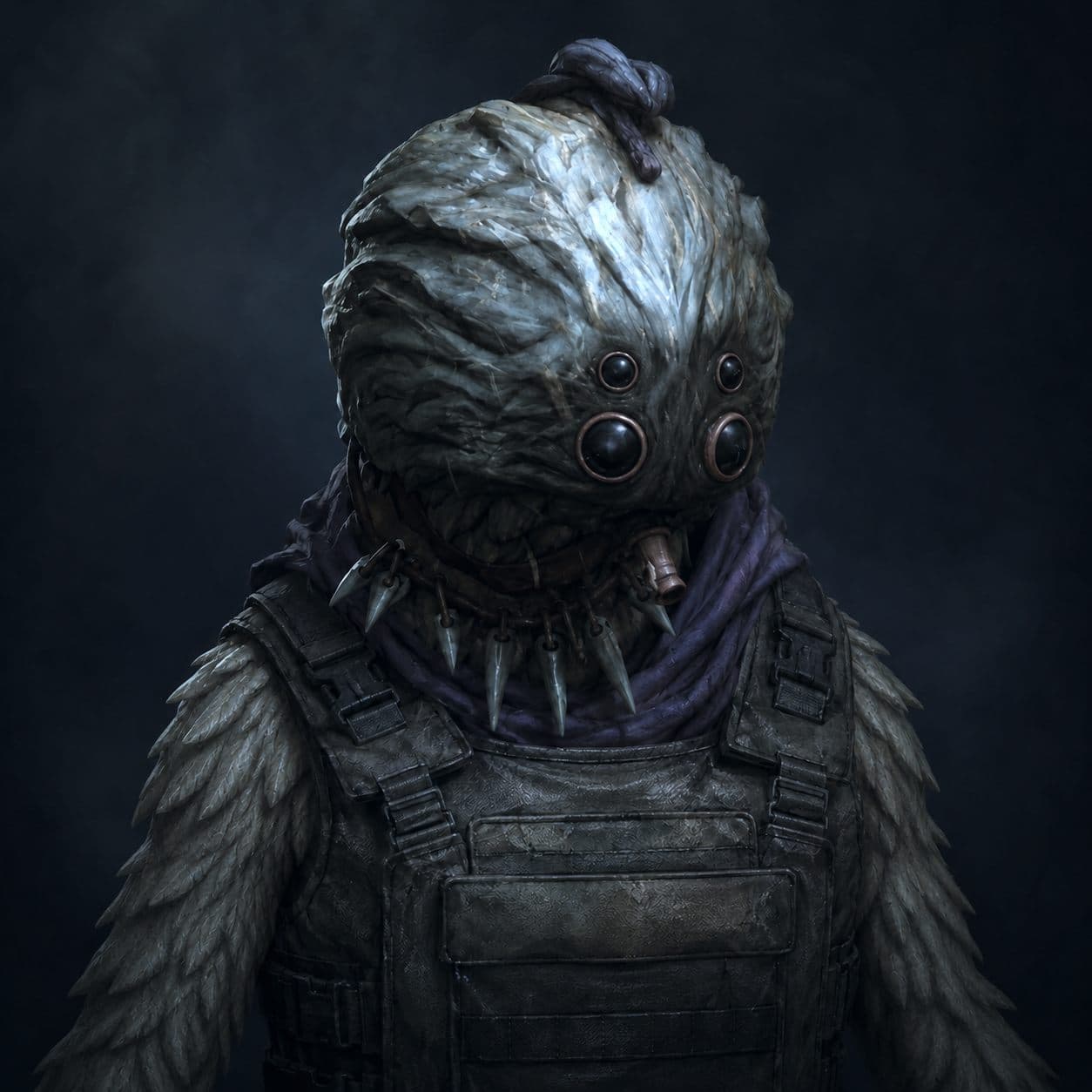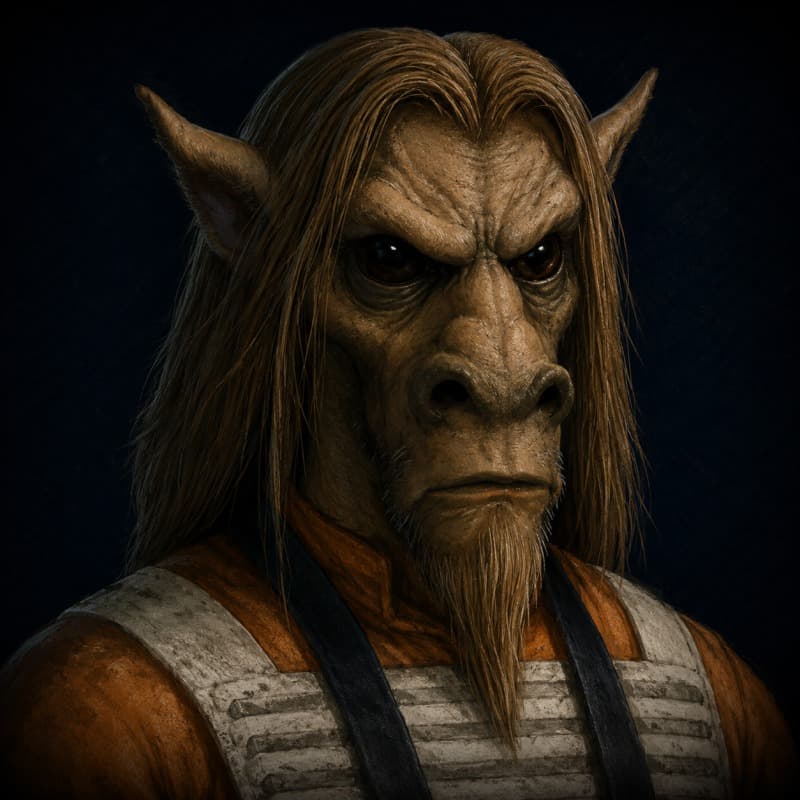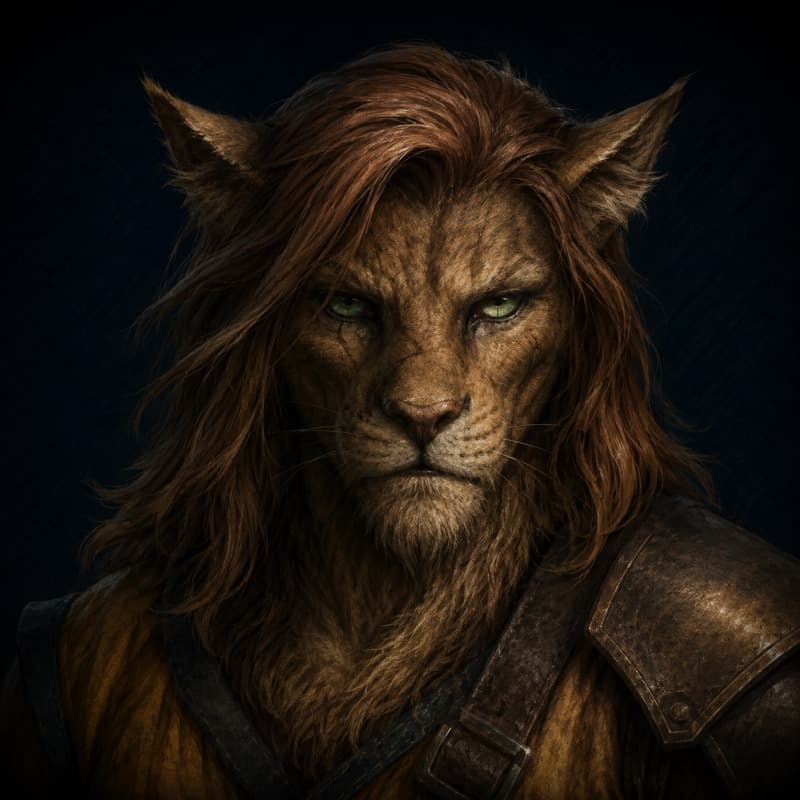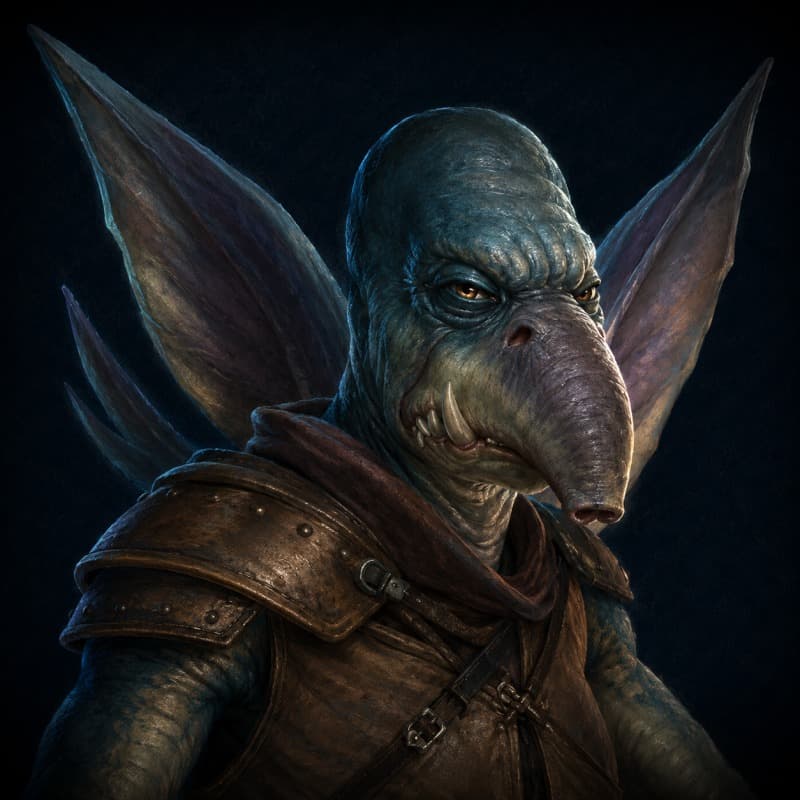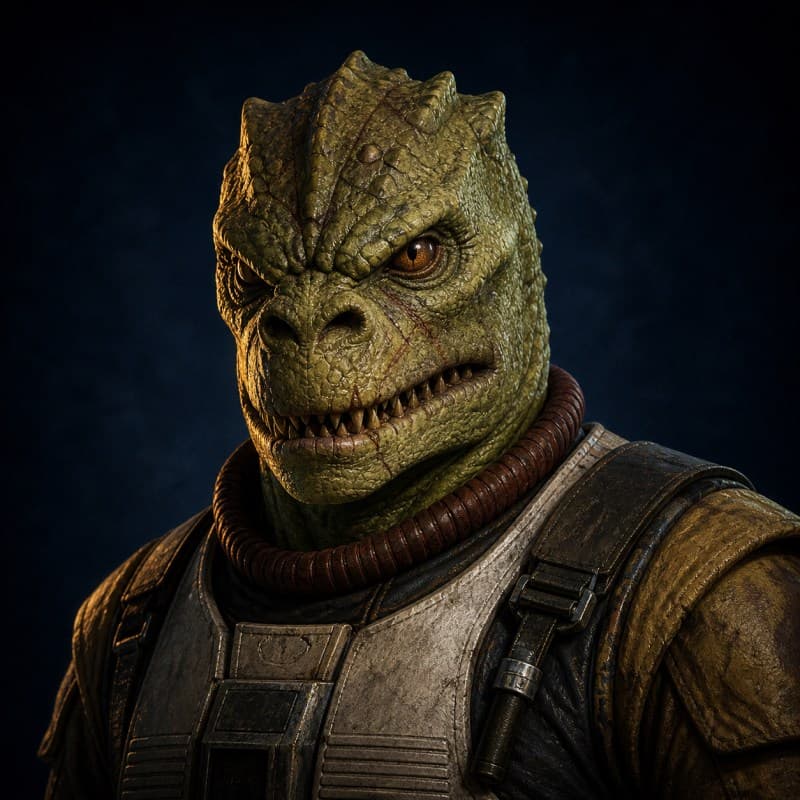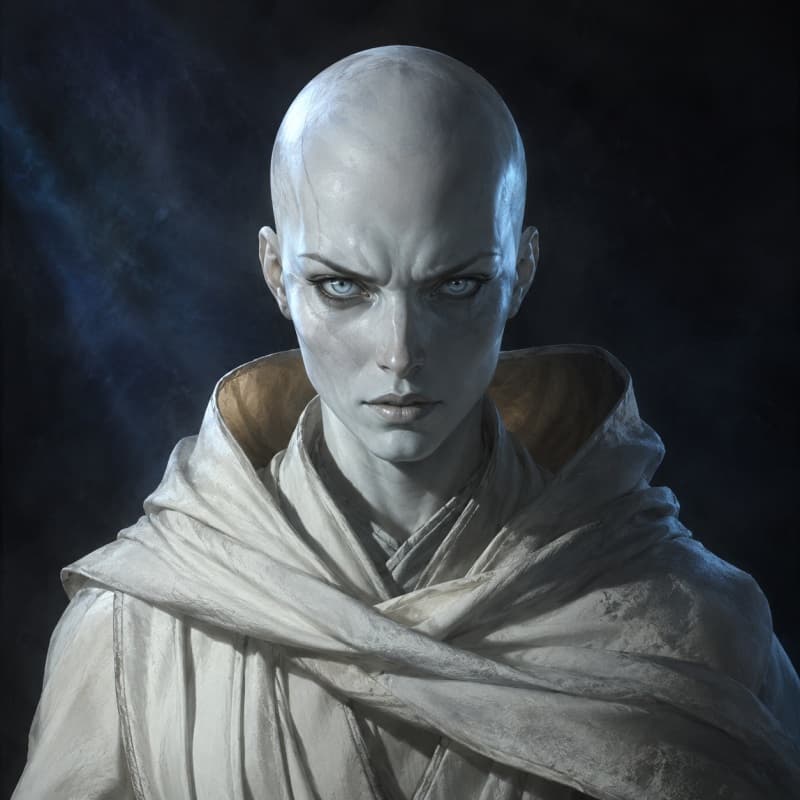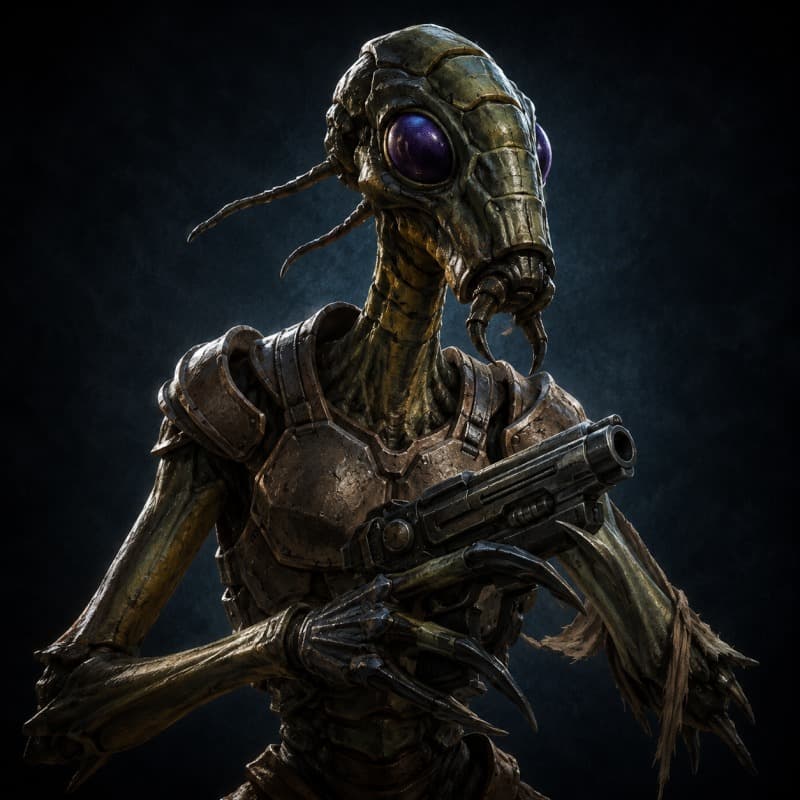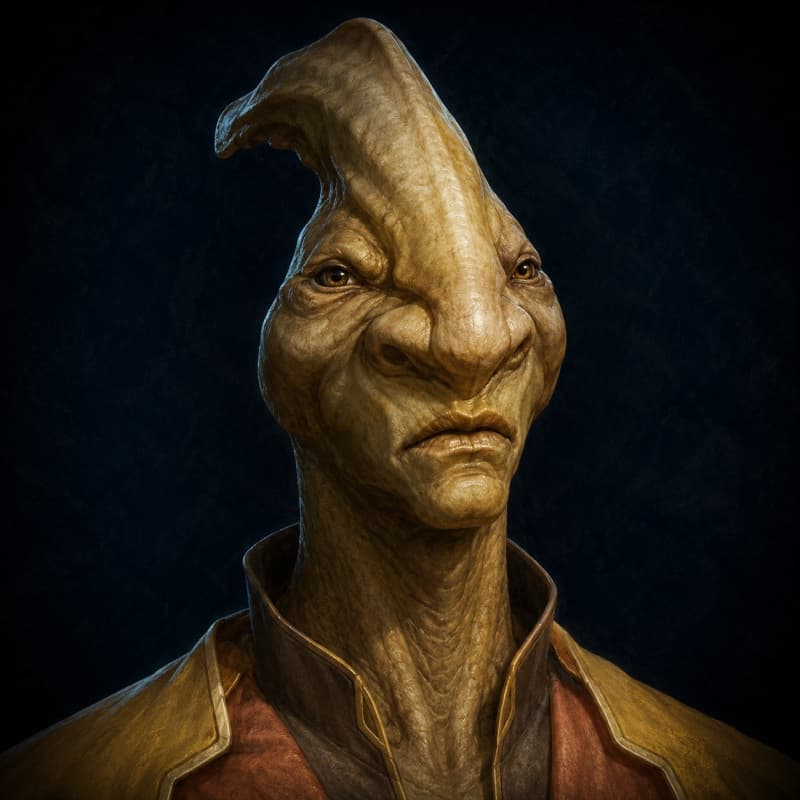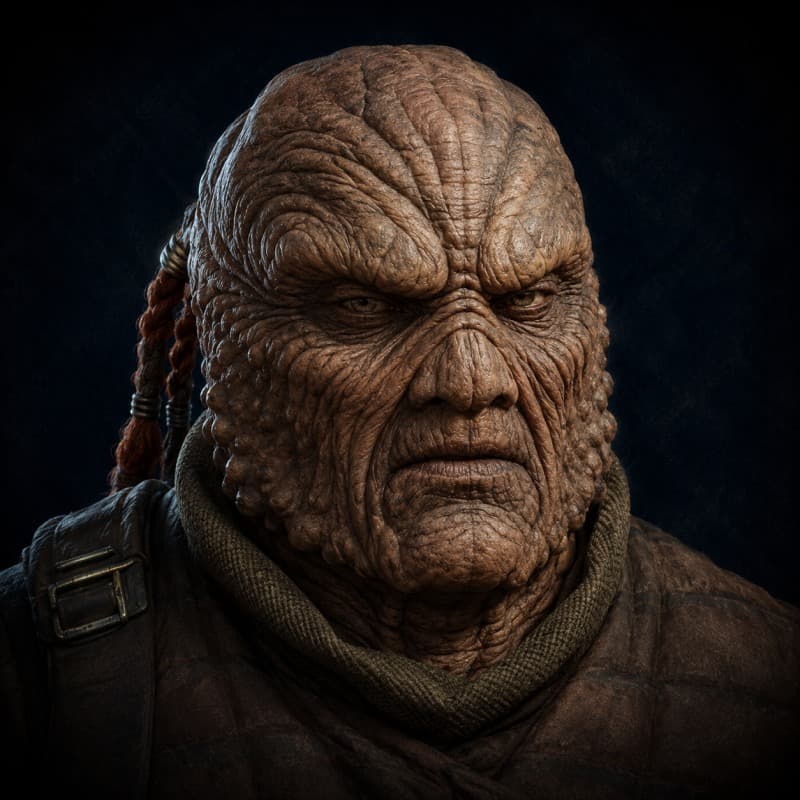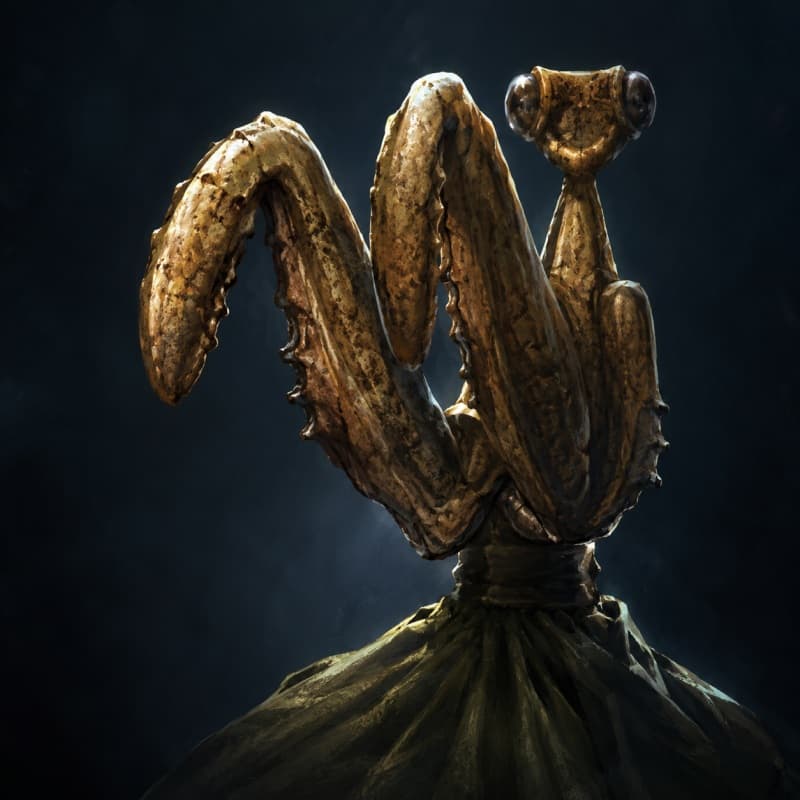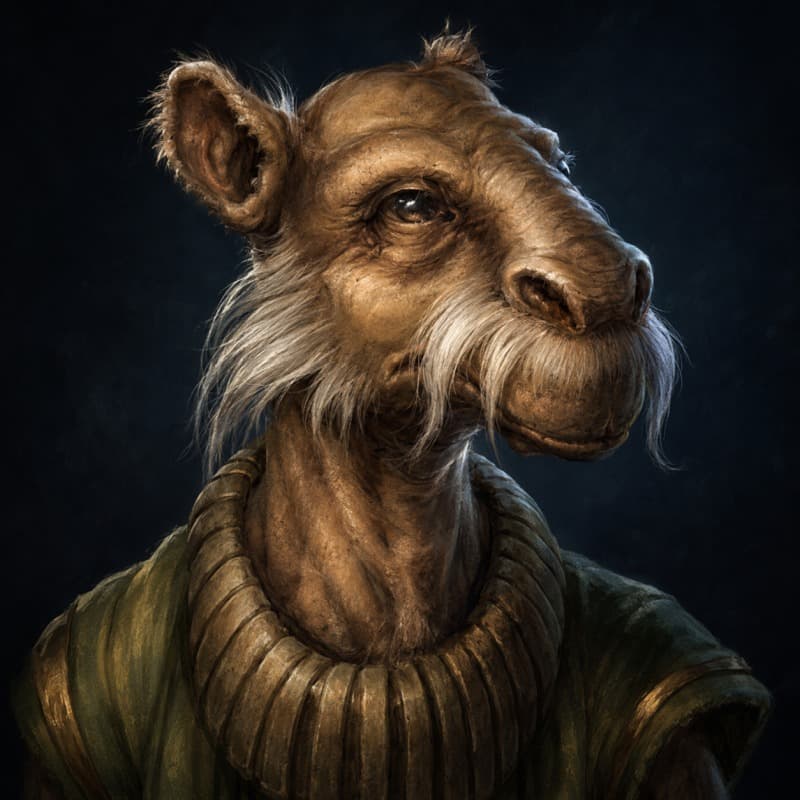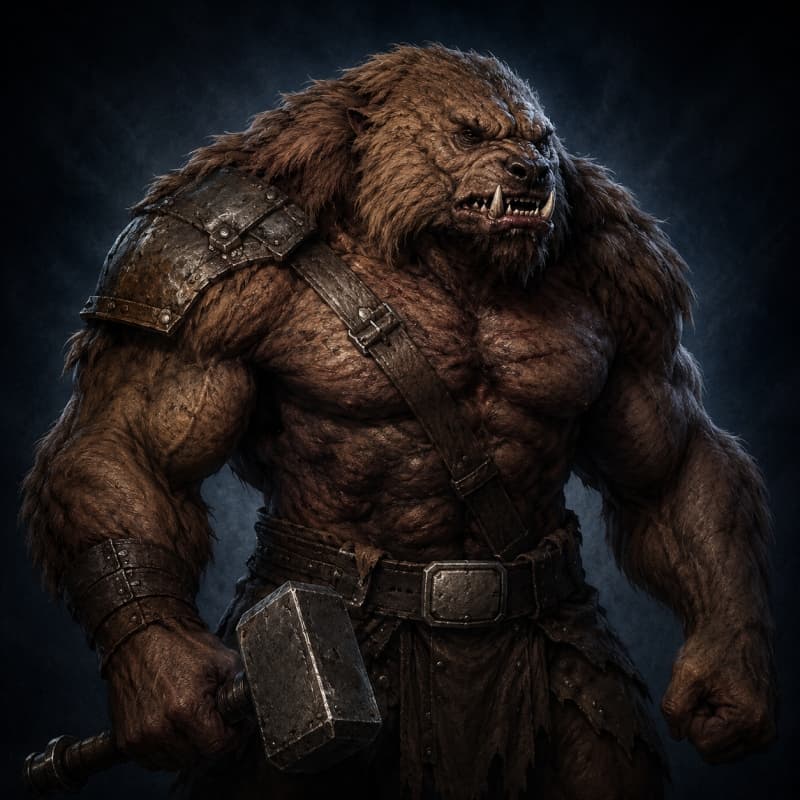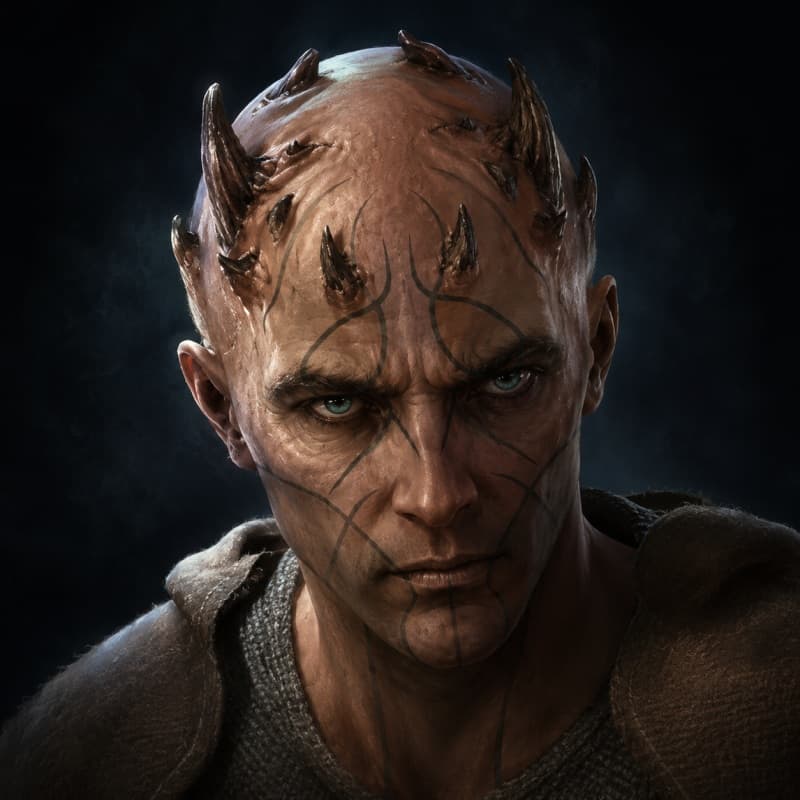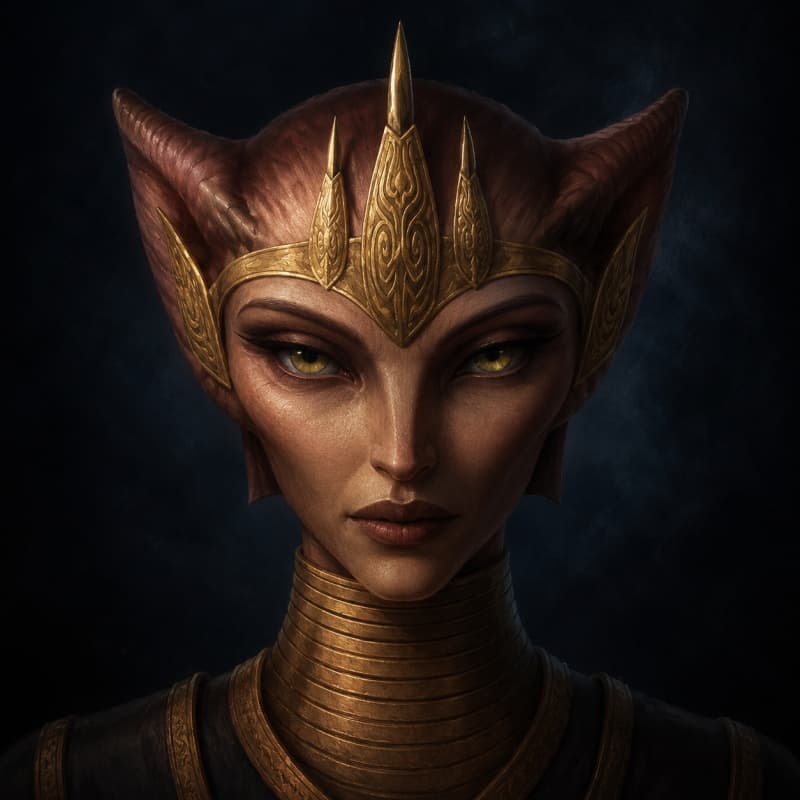
SWURPG lets you build and play any of the galaxy's peoples. The catalog spans 100+ Star Wars species — from the icons everyone knows (Wookiees, Twi'leks, Togruta, Zabraks, Mon Calamari) to fan-favorite aliens (Kaleesh, Mirialans, Trandoshans), playable droids (BD-series, IG-series, protocol units), and deep-cut Legends species you won't find in most games (Neti, Anzati, Codru-Ji). Every one is fully statted and ready to drop straight into the Character Builder.
This page is both the complete, filterable index of those Star Wars species and a primer on how species work in SWURPG. Jump to the grid if you just want the picker — or read on for what species do for your character and how to choose one.
Your species is who you are biologically — Wookiee, Twi'lek, Cerean, Mon Calamari, Ugnaught, BD-series droid, Human. It's the first decision on your character sheet, before class, before ability scores, before backstory. Species shapes your physical baseline: how strong you are, how fast you move, what your senses pick up, and what unusual things your body can do.
New to tabletop RPGs? Start with the Rules guide for the basics of dice and ability checks. This page assumes you understand "I roll a d20 and add my modifier."
Species vs. class — what's the difference?
- Species is biology. A Wookiee is naturally strong; a Cerean has heightened insight; a droid can't be a Force user. Species traits don't go away.
- Class is training. A Soldier learned to fight; a Jedi trained in the Force; a Tech Specialist studied machines. Class traits grow as you level up.
A Wookiee Soldier and a Human Soldier play almost identically in combat. A Wookiee Soldier and a Wookiee Scoundrel play very differently. Class is the bigger gameplay decision — but species is what makes your character feel unique at the table, and it's how you pick the species first if a particular fantasy calls to you.
How traits work
Every species has a stat block on its detail page. The fields you'll see most often:
- Ability modifiers — +2/+1 is the common pattern; some species have wider spreads with offsetting penalties (e.g. Wookiees are +4 STR / +2 CON with −2 DEX / −2 INT / −2 CHA). These stack with your starting ability scores at character creation.
- Size — Diminutive · Tiny · Small · Medium · Large. Medium is the default (most humanoids). Smaller species get an AC bonus but lower carrying capacity; larger species are the reverse.
- Speed — usually 30 ft. Some species (e.g. Hysalrian) move faster; some (e.g. Jawa, Ewok, Ugnaught) move slower.
- Auto-languages — what your character speaks without spending a slot. Most species speak Basic plus a native tongue.
- Special traits — the flavorful, named abilities that make a species mechanically distinct: a Trandoshan's regeneration, a Wookiee's Wroshyr-Bred Strength, a Kel Dor's Baran Do Foresight, a Cerean's Binary Brain, and so on. These are passive most of the time — they just make you better at the things your species is built for.
Reading the cards
The species index below shows every option as a filterable card. Each card displays the species' size, speed, and a one-line lore tease. Use the filters at the top to narrow down:
- Search box — type any name fragment.
- Size chips — filter to a specific size if your concept needs a small / large character.
- Type filter — separate organic species from droid species (since droids play meaningfully differently — see below).
Click any card to see the full entry, including ability modifiers, all named traits, lore + culture, recommended classes, and (on most species) a portrait.
How to pick
The clean two-step:
- Pick a class first. The class decides 80% of how you'll play. Then…
- Pick a species whose stat bonuses match. Soldier → +STR or +DEX species. Jedi → +WIS species. Scoundrel → +DEX or +CHA species. Tech Specialist → +INT species. Leader → +CHA species. Force Adept → +WIS species.
If you want to lead with the species fantasy instead — "I want to play a Wookiee" — that's totally valid. The class system is flexible enough that a Wookiee can be a passable Scoundrel even though the +STR bonus doesn't help the build.
First-time-player picks
If you're new and want a species that's well-known, has a clean stat profile, and "just works" with most classes, start with one of these:
- Human — flexible bonuses, fits any class, no gotchas.
- Twi'lek — +DEX / +CHA pair makes you a strong Scoundrel or Leader pick out of the box.
- Wookiee — a Wookiee Soldier leans into raw STR and survives a beating. The −2 DEX and no WIS bonus mean a Wookiee Jedi isn't optimized, but the regeneration is a real defensive trait wherever you take it.
These three are the "safe defaults." Once you've played a session or two, you'll know whether you want something weirder (Anzati! Felucian! BD-series Droid!) for your next character.
Droids are different
A droid is not just "an organic species in metal." Droid characters get an entirely different rule set:
- They don't sleep — they get a maintenance cycle instead.
- They take ion damage instead of stun damage.
- They're immune to poison, disease, and the Force.
- They can't naturally heal — repairs require Mechanics checks.
- They have chassis plating instead of CON-based HP scaling.
If you're picking a droid (BD-series, R-series, IG-series, GNK power droid, etc.), read the Droids rules for the details. The differences are flavorful but they affect how your character plays at almost every step. It's worth 5 minutes of reading before you commit to the build.
Build with the character builder
Once you've picked a species and class, the Character Builder walks you through every choice — ability scores, skill picks, gear, force powers — and shows you the resulting stat block as you go. Save your build to your account and load it on any device.