Star Wars Universe Roleplaying Game
The Next Generation of Star Wars Tabletop Adventure

The Next Generation of Star Wars Tabletop Adventure
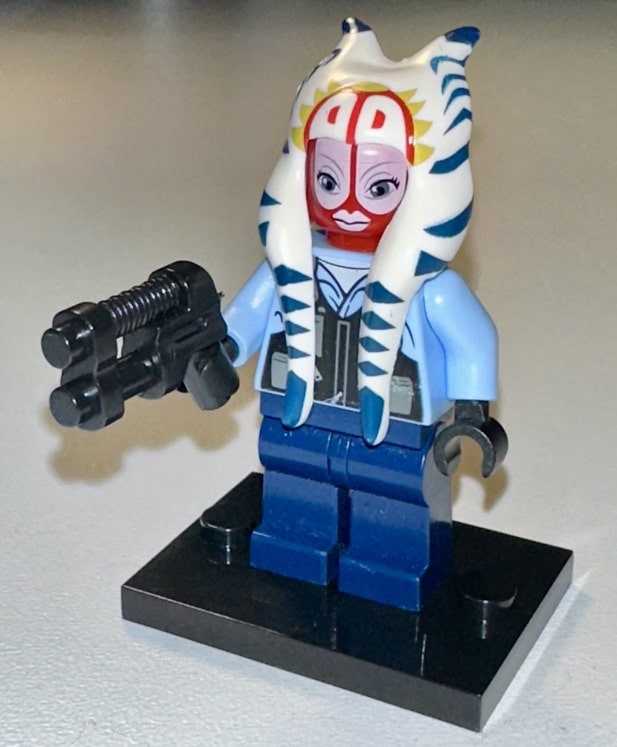 Togruta are carnivorous humanoids native to the world of Shili, a planet of dense forests, hidden valleys, and vast expanses of red-and-white turu-grass scrublands. Over generations, they evolved vivid skin pigmentation—bands and patches of orange, red, white, or other hues—that blend seamlessly with the turu-grass and rocky terrain. This natural camouflage, combined with their keen senses and powerful montrals, allowed early Togruta tribes to hunt effectively while avoiding the massive predators that roamed Shili’s wilderness. Even in the modern era, when starships and holovids are commonplace, Togruta still see themselves as hunters at heart, more at ease operating as part of a coordinated group than acting alone.
Their most distinctive features are their hollow montrals and striped lekku, or head-tails, which form a striking organic headdress. Beyond appearance, the montrals give Togruta a powerful form of passive echolocation, allowing them to sense the movement and position of physical objects around them without needing to look directly. This heightened spatial awareness shapes the way they move and fight: Togruta are comfortable in fast, fluid melee, weaving around allies and enemies in tight formation, and reacting almost instinctively to shifts on the battlefield. Their sharp canine teeth hint at their predatory origins and are traditionally used to quickly dispatch small prey animals such as thimiars, which helped fuel the persistent (and false) rumor that Togruta bites are venomous.
Culturally, Togruta developed in tightly knit tribes that depended on pack cooperation for survival. On Shili, they learned early that lone hunters rarely lived long, while groups that shared risk, food, and vigilance could stand against even the akul, enormous predators feared by most other species. This deep reliance on the group shaped Togruta values: unity, shared responsibility, and loyalty to the tribe are celebrated, while extreme individualism is often seen as dangerous or immature. Yet paradoxically, the most respected Togruta leaders are those who can express a distinctive sense of self while still embodying and protecting the needs of the pack. Their culture does not reject individuality outright—it simply insists that it must serve something larger than the self.
As space travel spread, Togruta founded offworld communities such as the artisan colony on Kiros, where many turned their instincts toward art, diplomacy, or philosophy instead of the hunt. Others joined the Galactic Republic, the Jedi Order, or later the Rebellion and New Republic, drawing on their talent for coordination and their strong sense of purpose. Togruta have long had a notable presence among the Jedi, where their spatial awareness and instinctive connection to living environments translate naturally into lightsaber combat and battlefield awareness. From tribal hunters on Shili to Jedi Masters and war leaders, Togruta carry their pack-born mindset into every corner of the galaxy: they do not simply survive—they thrive best when they stand together.
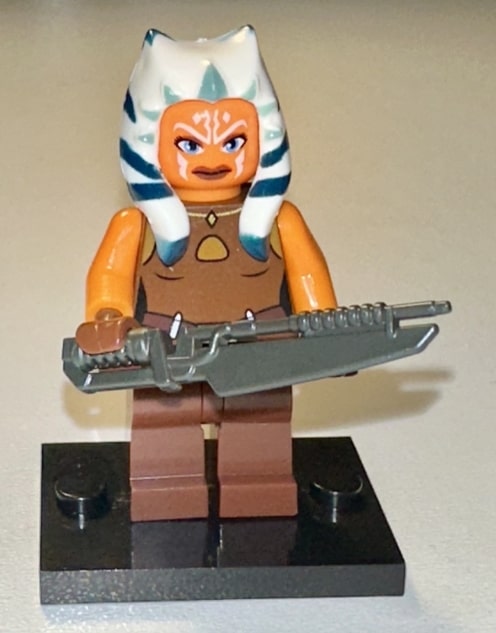 Home Planet: Shili, a world of forests, hidden valleys, and red-and-white turu-grass scrublands in the Expansion Region.
Physical Description: Togruta are tall, lithe humanoids most easily recognized by their colorful skin and elaborate head structures. Their skin tones range from deep red and orange to pale yellow or other warm hues, often broken up by striking white facial markings unique to each individual. These patterns extend across the body as stripes on the arms, legs, back, and torso, echoing the mottled tones of Shili’s turu-grass plains. Their lips tend to be greyish or muted in color, further emphasizing the vivid contrast of their facial pigmentation.
From the top of the skull rise two large, hollow horns called montrals, which form the upper part of a natural crest. Three long lekku, or head-tails, extend downward from the sides and back of the head, banded with distinctive stripes that often darken in comparison to the montrals. As Togruta mature, their montrals grow taller and more curved, while their lekku lengthen; female Togruta typically develop longer lekku, while males often exhibit more pronounced branching and definition in their montrals. In some rare cases, a Togruta may even develop a fourth lek. The montrals serve as sophisticated sensory organs, using ultrasonic echoes to map the surrounding space and track movement, granting the species exceptional spatial awareness out to several dozen meters.
Physically, Togruta are comparable in build to Humans but tend toward an athletic, whipcord-lean frame, suited to swift running, agile leaps, and coordinated pack maneuvers. Their hands and feet are humanoid, but their mouths conceal sharp canine teeth adapted for a carnivorous diet; these are traditionally used to deliver a killing bite to small prey such as thimiars, often leading outsiders to incorrectly assume they are venomous. Togruta eyesight is acute, capable of picking out distant movement across open plains, and their montrals and lekku subtly shift with emotion, making their body language especially expressive to those who learn to read it. Many Togruta prefer to go barefoot on their homeworld, believing that direct contact with the soil of Shili maintains a spiritual bond with the land.
Average Height: A typical Togruta stands around 1.7 meters tall.
Average Weight: Togrutas usually weigh about 75 kilograms.
Age of Adulthood: Togrutas reach adulthood around 18 years of age.
Personality & Customs: Togruta society is built on the principles of unity, cooperation, and shared risk. From childhood, Togruta are raised to hunt, train, and solve problems as part of a pack, and they learn quickly that the strength of the group far exceeds the strength of any single hunter. This mindset produces individuals who are naturally social, outspoken within trusted circles, and highly attuned to group dynamics. They tend to read the mood of a room with ease, adjust to the flow of conversation, and instinctively position themselves to support allies. Conversely, extended isolation feels wrong to many Togruta; fighting or traveling alone can leave them anxious, restless, or subtly off-balance.
Culturally, they value honesty and clarity of intent within the pack. Deception is frowned upon when used against one’s own people, and many Togruta find lying to be uncomfortable or self-sabotaging in close social circles. Their legends and stories often emphasize loyalty, sacrifice, and the idea that those who cannot keep up or refuse to contribute must either adapt or accept the consequences of their choices—a worldview some outsiders interpret as harsh or unforgiving. Togruta themselves see it as a simple acknowledgment of nature: the pack carries those who pull their weight and moves on from those who refuse. This philosophy also shapes their rites of passage, such as Akul hunts, where young Togruta prove themselves through courage, skill, and contributions to the group’s success rather than purely individual glory.
Togruta prefer simple, practical clothing that allows free movement, often highlighting their cultural identity through sashes, jewelry, or headdresses made from teeth, pelts, and materials gathered during the hunt. Akul teeth, in particular, are worn with great pride—woven into headdresses, necklaces, or ornaments that mark significant personal victories. Many Togruta, especially those who leave Shili, blend these traditions with offworld fashion, wearing their heritage as a visible reminder of where they came from.
Beyond Shili, Togruta adapt readily to roles that reward teamwork, awareness, and conviction. They excel as soldiers, scouts, officers, mediators, and Jedi, and many find purpose in organizations where their pack mentality can be applied to squads, crews, or entire communities. Even the most independent Togruta hero usually measures success not just by personal achievement, but by how well they protected and elevated the people fighting beside them.
Languages: Togrutas speak Togruti and most also learn Basic.
Example Names: Ahsoka Tano, Ashla, Codi Ty, Creev Zrgaat, Dyani Zaan, Jir Taalan, Qusak Laal, Raana Tey, Shaak Ti, Vika Saaris.