Star Wars Universe Roleplaying Game
The Next Generation of Star Wars Tabletop Adventure

The Next Generation of Star Wars Tabletop Adventure
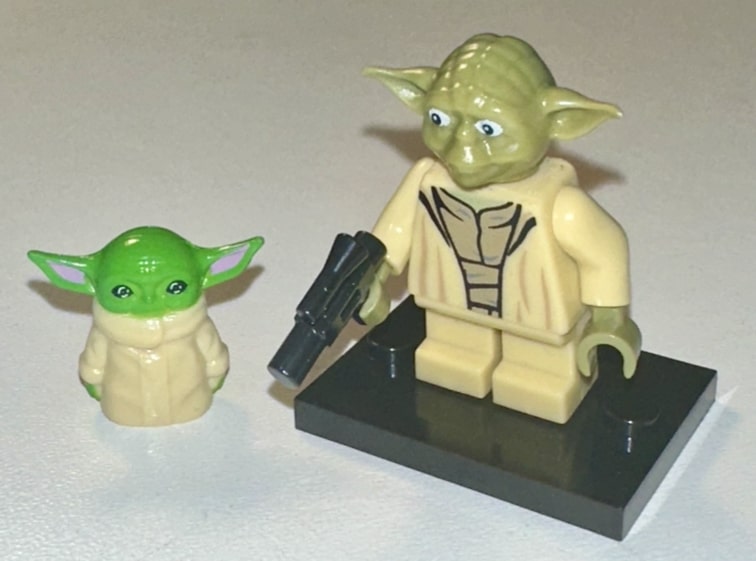 Tridactyls are members of a mysterious, diminutive reptilian species found in small, hidden communities scattered across the galaxy. Even their name is not their own—it was coined by Republic scientists to describe their three-fingered hands. The Tridactyls themselves share almost nothing about their origins. Their true homeworld is lost to history (or closely guarded), and if they possess a cultural name for their species, they do not share it with outsiders. To most galactic citizens they are simply “Yoda’s species,” quiet legends glimpsed only around Jedi temples and ancient ruins.
Despite their small stature, Tridactyls are renowned for their deep connection to the Force. While not every individual is Force-sensitive, the trait appears among them far more frequently than in most species, and those who are gifted tend to be exceptionally powerful and insightful. Across the millennia, a handful of Tridactyls have served as revered Jedi Masters, shaping the destiny of the galaxy from behind the scenes. Their long lifespans—spanning many centuries—give them a unique, patient perspective on galactic history, and a sense of time that makes most other beings seem hurried and impulsive.
Most Tridactyls avoid the galactic spotlight. They favor remote, undeveloped worlds in the Outer Rim or Wild Space, forming secluded enclaves where they can study, meditate, or live simple lives close to nature. Their obscurity has fueled myths, conspiracies, and wild speculation: some insist they are Whills, others claim they are ancient guardians of the Force itself. The truth remains deliberately out of reach. Those Tridactyls who do step into the wider galaxy usually do so with a purpose—often as Jedi, sages, or quiet advisors who prefer to guide events rather than dominate them.
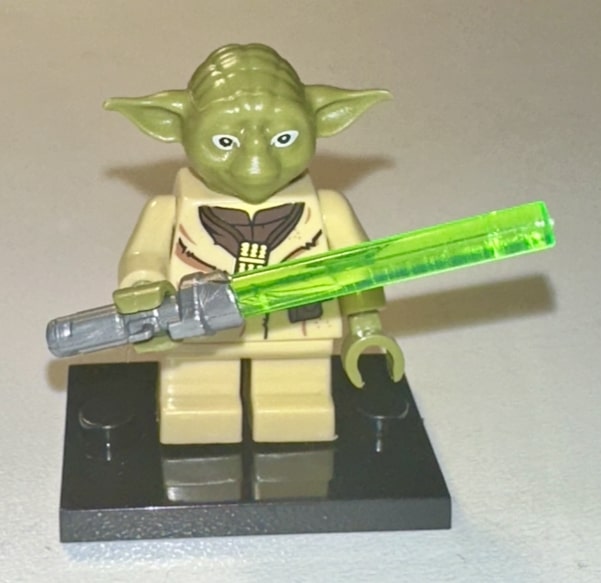 Home Planet: Unknown. Tridactyls keep their origin secret, and no confirmed homeworld is recorded in galactic history.
Physical Description: Tridactyls are small, light-framed humanoids, averaging about 0.7 meters in height. Their skin ranges from green to greenish-brown and has a leathery, slightly reptilian texture. Large, pointed ears flare from the sides of the head, giving them a distinct silhouette that is often mistaken for Lanniks or other short, big-eared species. Their faces are expressive and heavily lined with age, and sparse tufts of white or gray hair may grow along the scalp, chin, or back of the head as they grow older.
Each hand ends in three short digits with small vestigial claws, and their feet are similarly compact, adapted more for balance and quiet movement than speed or brute force. Their small bodies conceal a surprising toughness; Tridactyls endure centuries of life, and even in advanced age they often remain agile and capable in both body and mind. Their sharp, carnivorous teeth hint at a diet that includes meats and nutrient-dense foods that many other species find unappealing.
Although they are physically weaker than most species and rarely match others in raw strength or reach, Tridactyls move with a measured, deliberate grace. They are not built for heavy lifting or direct physical confrontation, but their size and balance make them adept at slipping through tight spaces, perching in unexpected places, and moving quietly when they choose. Most rely on the Force, keen senses, and centuries of experience rather than brute force or martial dominance.
Average Height: A typical Tridactyl stands around 0.7 meters tall.
Average Weight: Exact averages are unknown, but Tridactyls are significantly lighter than Humans due to their small frames.
Age of Adulthood: Tridactyls reach adulthood around 150 years of age and can live well beyond 700 years.
Personality & Customs: Tridactyls are typically humble, contemplative, and slow to anger. They tend to see conflict, success, and failure through the lens of long centuries rather than fleeting moments, making them patient and difficult to rattle. Many are playful in a quiet, mischievous way, testing others with riddles, half-truths, or odd phrasing to probe their character. Even when they possess immense power, they rarely flaunt it; guidance, teaching, and subtle influence come more naturally to them than command or intimidation.
Culturally, Tridactyls are secretive by design. They share very little about their history, numbers, or traditions with outsiders—sometimes even with close allies. Isolated enclaves of their kind are rumored to exist on remote, lightly settled worlds, where they live in harmony with the local environment and spend long years in study or meditation. Their communities are small and insular, carefully choosing when (or if) to engage with the broader galaxy. Some scholars speculate that this secrecy is a deliberate safeguard, either to protect the species from exploitation or to protect the galaxy from knowledge not yet meant to be shared.
Many Tridactyls who interact with other species speak Basic in a distinctive, idiosyncratic manner, using inverted grammar and formal, almost ritualistic sentence structures. This unusual phrasing can make them seem eccentric or comical to those who underestimate them, but it often masks razor-sharp insight and a keen understanding of others. Tridactyls who become Jedi or other Force adepts embrace service and responsibility, but still act according to their own deep intuition. They are not easily pressured by politics or ego. When they do finally lose their temper—a rare event—witnesses quickly learn why so many legends warn against underestimating them.
Languages: Tridactyls speak, read, and write Basic—often in an idiosyncratic dialect—and frequently learn additional languages, including obscure tongues.
Example Names: Grogu, Minch, Vandar Tokare, Yaddle, Yoda.