Star Wars Universe Roleplaying Game
The Next Generation of Star Wars Tabletop Adventure
The Next Generation of Star Wars Tabletop Adventure
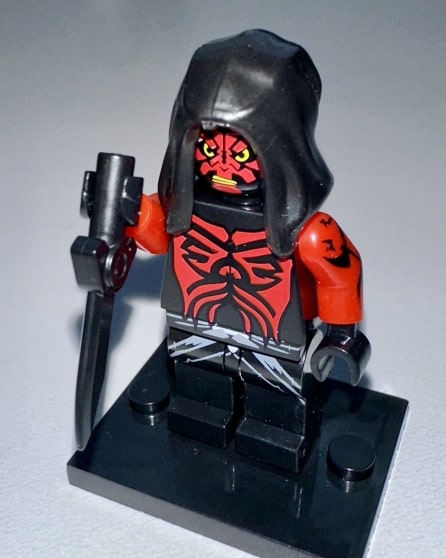
Nightbrothers are a culturally defined subset of male Zabrak from the planet Dathomir, known across Canon for their fierce warrior traditions, ritual conditioning, and deep ties to the Nightsisters who dominate Dathomiri society. They are not a biological species distinct from Zabraks; rather, they represent a specific cultural caste shaped by stringent selection, harsh survival conditions, and the dark mysticism of Dathomir. Nightbrothers were historically bred and trained as warriors, guardians, and laborers within the matriarchal hierarchy of the Nightsisters, creating a lineage defined by physical power, resilience, and relentless survivalist mentality.
Dathomir’s brutal ecosystem—with predatory fauna, crimson forests, and unstable terrain—contributed heavily to Nightbrother conditioning. Life on the planet revolves around clan structure, arcane rituals, and strict hierarchies enforced by the Nightsisters. Nightbrothers grew up amid rites of endurance, competitions of strength, and training regimens that prepared them for both internal service and external warfare. Canon depictions, especially through characters like Darth Maul and Savage Opress, emphasize their exceptional combat aptitude, honed reflexes, and near-unstoppable determination.
Historically, Nightbrothers lived in isolated tribal villages on Dathomir, separate from the Nightsisters’ territory but subject to their selection and command. The matriarchs would periodically choose Nightbrothers for ritual enhancement, combat service, or participation in dark Force practices. Their culture emphasized stoicism, obedience, and martial excellence, traits shaped not only by tradition but by necessity in a world where failure often meant death. Although not inherently attuned to the dark side, many Nightbrothers were steeped in its influence through proximity to the Nightsisters’ magicks.
Legends and Canon portray Nightbrothers as a people defined by adversity. Their upbringing often involved minimal emotional support, intense expectations, and a constant struggle for survival within the clan. Despite this, internal loyalty within Nightbrother communities is strong, built upon shared hardship and reliance on one another against Dathomir’s dangers. The destructive fall of the Nightsisters during the Clone Wars left many Nightbrothers scattered or leaderless, creating new diaspora communities with varied fates.
Dathomiri culture strongly influenced Nightbrother identity, shaping values of physical mastery, endurance, and dedication to martial disciplines. While many were trained as shock troops or gladiators, Nightbrothers also exhibited resourcefulness, craftsmanship, and tactical intelligence—traits overshadowed by their more famous warrior archetypes but present throughout their traditions. Their independence increased after the Nightsisters’ fall, giving rise to clans that redefined their customs without external domination.
Though often portrayed as harsh or aggressive, Nightbrothers exhibit depth and emotional complexity when removed from oppressive conditions. Some Legends stories and Canon hints suggest that their violence largely stemmed from environmental pressures and cultural expectations rather than inherent disposition. Freed from Dathomir’s rigid hierarchy, many show strong loyalty, discipline, and a desire to reclaim agency.
In SWURPG campaigns, Nightbrother characters offer rich storytelling grounded in survival, identity, and the struggle to break from—or embrace—their Dathomiri past. They excel in roles requiring strength, tenacity, and direct combat, while their cultural history provides narrative depth for arcs about independence, trauma, and forging new purpose beyond the shadows of the Nightsisters.
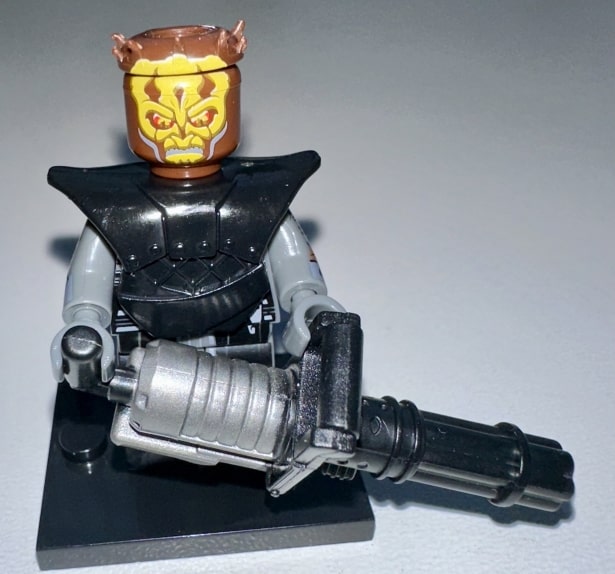
Home Planet: Dathomir
Physical Description: Nightbrothers share the core physiology of Zabraks: humanoid frames, strong bone structures, and the iconic crown of cranial horns. Their skin tones range widely, including reds, yellows, browns, and tans, depending on lineage. Unlike other Zabraks, Nightbrothers commonly bear ritual tattoos or markings—either painted or branded—reflecting clan identity, rites of passage, or the influence of the Nightsisters. These patterns can be distinctively angular or organic, depending on tribal tradition.
Their musculature is typically more pronounced than that of most Zabraks due to rigorous physical conditioning from early youth. Nightbrothers are known for exceptional strength, speed, and explosive combat power, shaped by both genetic predisposition and harsh environmental demands. Their horns tend to be slightly more pronounced on average, though this varies widely and is not a biologically separate trait.
Nightbrother attire is rugged and utilitarian, built to endure Dathomir’s dangerous terrain. Fabrics are often treated with natural resins or animal hides for durability. Armor pieces—when worn—are crafted from scavenged materials or Nightsister-forged metals enhanced through ritualistic processes. Their overall appearance conveys raw physicality, tribal identity, and a connection to Dathomiri mysticism.
Despite the intimidating exterior, their expressions can reveal subtle emotional nuance, especially in contexts free from the Nightsisters’ dominance. Their physiology reflects both potential for violence and capacity for depth.
Average Height: Around 1.8 meters
Average Weight: 80–95 kilograms
Age of Adulthood: 15 years
Personality & Customs: Nightbrother personality is shaped by discipline, survivalism, and cultural conditioning under the Nightsisters. They tend toward stoicism, directness, and emotional guardedness, trained to suppress vulnerability and project unwavering strength. Loyalty within their clans is fierce, forged through shared hardship and an environment where cooperation can determine life or death. When interacting with outsiders, Nightbrothers may appear blunt or distrusting, but trust, once earned, is powerful and enduring.
Customs traditionally revolve around physical trials, tribal hierarchy, and obedience to Nightsister matriarchs. Combat competitions, ritual hunts, and endurance challenges were central to communal life. Nightbrothers engaged in both spiritual and martial rites, some connected to Nightsister magicks, others rooted in ancestral traditions predating their dominance. After the destruction of the Nightsisters, many clans adapted these customs to emphasize independence, self-determination, and reconstruction.
Hospitality among Nightbrothers depends heavily on context. Within the clan, communal support is expected and practiced through shared labor, resource exchange, and mutual protection. Toward outsiders, caution governs interactions until trust is proven. Conflict resolution varies widely between clans but often includes ritual combat, group arbitration, or feats of strength.
In SWURPG stories, Nightbrothers provide narrative richness tied to identity, trauma, freedom, and purpose. Their cultural background supports character arcs centered on breaking cycles of violence, reclaiming agency, or forging new alliances beyond Dathomir. Their customs and personality traits naturally complement roles as warriors, bodyguards, scouts, or survivors with powerful emotional threads woven into their journeys.
Languages: Paecian, Basic
Example Names: Freff, Mak Eak, Merrin, Savage Opress, Taron Malicos, Viscus